A Deep Exploration of Fabric Foundation & the $ROBO Vision
AI Is Stepping Into the Physical World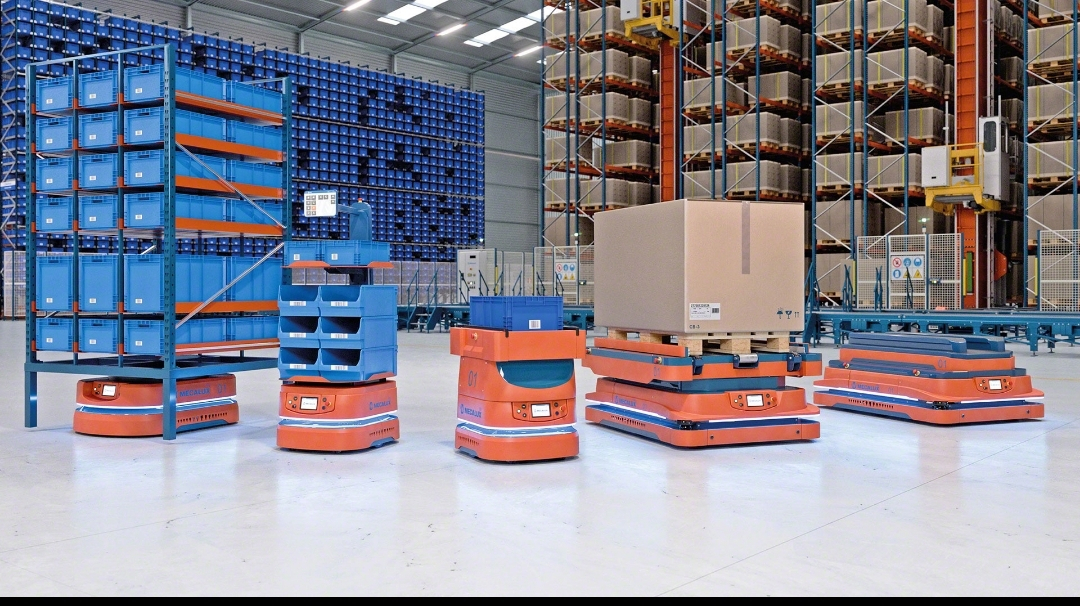
Artificial Intelligence is no longer confined to screens and servers.
It’s moving into factories, retail stores, restaurants, offices, and even homes.
We are witnessing the transition from digital AI to physical AI.
Unlike software, robotics interacts with:
Real-world physics
Hardware limitations
Environmental unpredictability
Operational constraints
This shift demands something deeper than intelligence alone.
It demands coordination infrastructure.
The Infrastructure Thesis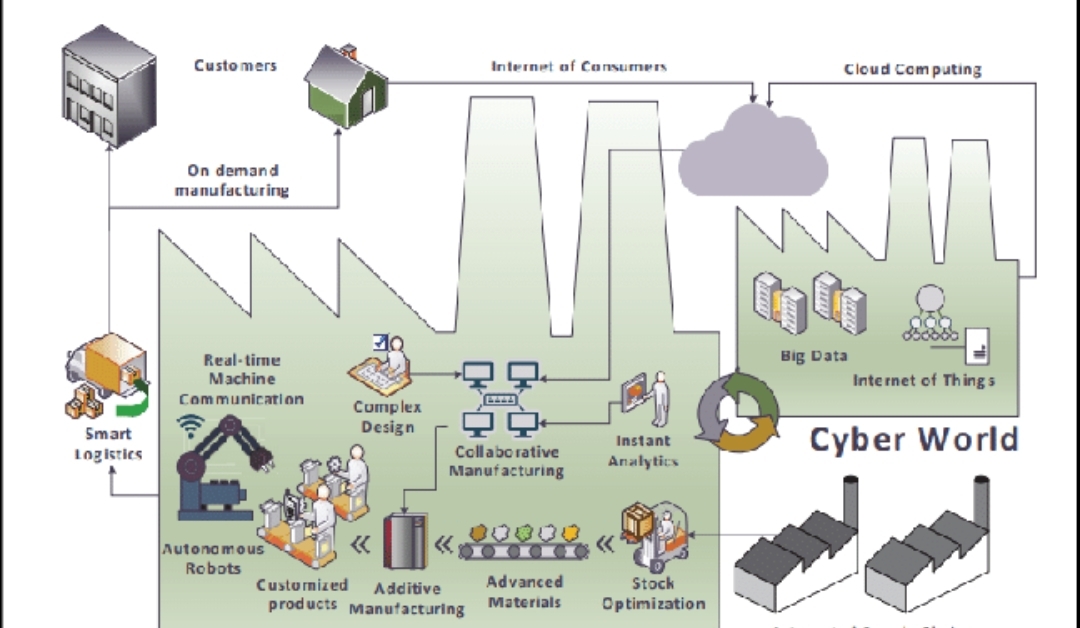
That’s where Fabric Foundation enters the discussion.
Instead of building robots or competing in AI model development, Fabric appears to focus on something more foundational:
A unified coordination layer for heterogeneous robotic systems.
In today’s robotics landscape:
Vendors build proprietary systems
Communication standards vary
Integration is costly and complex
Ecosystems are fragmented
If robotics is to scale globally, interoperability becomes essential.
Infrastructure is what transforms isolated machines into ecosystems.
Why Interoperability Is Critical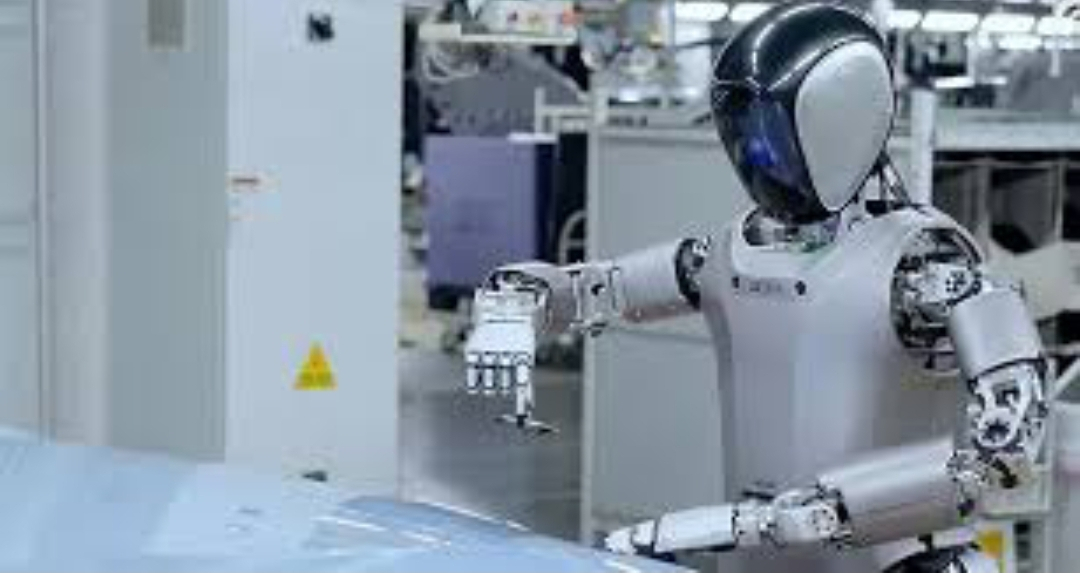
Imagine a logistics hub where:
Multiple robot brands operate simultaneously
Autonomous vehicles coordinate with warehouse bots
Service robots interact with building systems
Without shared standards, each system becomes a silo.
Interoperability could:
Reduce deployment friction
Enable cross-platform task execution
Standardize operational validation
Create shared economic logic between machines
Fabric’s positioning suggests an attempt to create that standardized layer.
The Role of ROBO in the Machine Economy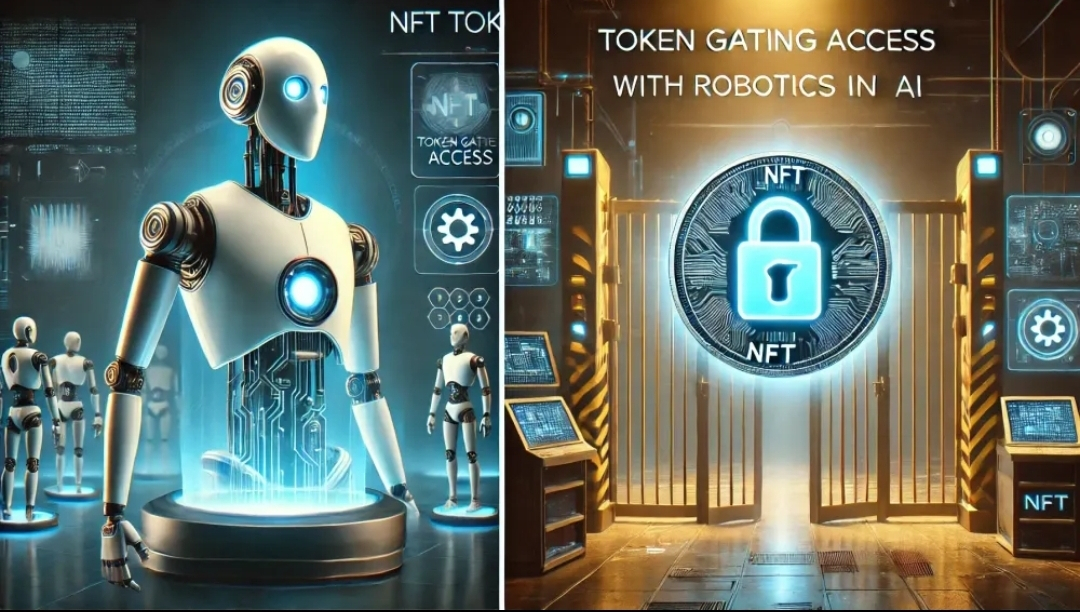
Infrastructure only sustains value if economic activity flows through it.
The token $ROBO appears conceptually aligned with:
Task coordination
Execution validation
Machine-to-machine settlement
Operational accountability
If robotic deployments increase and activity routes through this coordination layer, token utility could scale with machine activity.
However, the long-term sustainability depends on one core factor:
Does real robotic usage drive network usage?
That alignment determines structural relevance.
The Adoption Curve Reality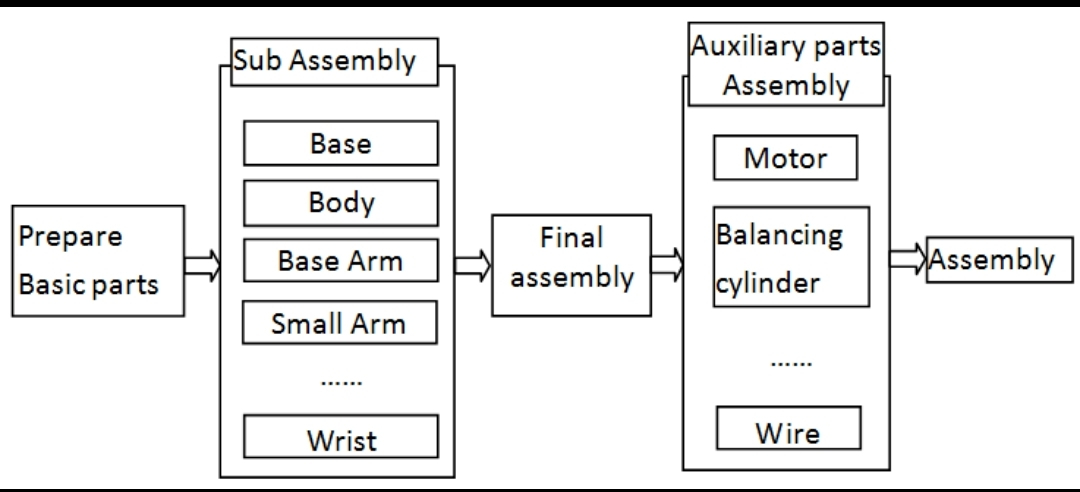
Robotics is fundamentally different from software.
It requires:
Capital-intensive deployment
Regulatory compliance
Physical integration
Ongoing maintenance
Adoption unfolds over years not weeks.
That makes infrastructure projects in this sector long-horizon plays.
They must mature alongside hardware ecosystems.
The Bigger Picture: Structured Machine Coordination
If the future includes:
Autonomous logistics fleets
Robotic service labor
Intelligent industrial manufacturing
Home robotics integrated with smart cities
Then machines will need:
Shared communication standards
Verification mechanisms
Economic settlement frameworks
Transparent accountability
That’s not a luxury.
That’s a necessity.
Fabric Foundation’s conceptual positioning sits at that intersection not selling AI intelligence, but proposing structure beneath it.
Final Perspective
The loudest trends often revolve around speculation and short-term price action.
Infrastructure is different.
It is slower.
More technical.
Less visible.
But potentially foundational.
Fabric Foundation and ROBO represent a thesis on the coordination layer of physical AI.
If robotics becomes deeply embedded in global operations, standardized infrastructure may quietly become one of the most important layers of the machine economy.
And that’s why this space is worth observing not for hype, but for structural evolution.@Fabric Foundation #ROBO