
When I look at $ROBO, I don’t see another AI-themed token riding the latest narrative wave. I see infrastructure being assembled for something much larger — a programmable coordination layer for machines that don’t sleep, don’t hesitate, and increasingly don’t need human micromanagement. While most of the market debates chatbots and model releases, ROBO is framing a more structural thesis: what happens when autonomous robotics systems need economic rails?
The idea sounds futuristic, but the trajectory is already visible. Robotics is advancing. AI decision systems are improving. Automation is expanding from warehouses to logistics, defense, agriculture, and manufacturing. What’s missing isn’t intelligence — it’s coordination and value exchange. Machines can execute tasks, but they don’t natively participate in decentralized economic systems. That’s the gap ROBO is targeting.
From my perspective, the strength of ROBO lies in its positioning. It’s not selling speculation; it’s building governance architecture and token-based coordination mechanisms for robotics ecosystems. If autonomous systems are going to interact — sharing data, negotiating tasks, allocating resources — they need programmable incentives. Tokens are not just financial instruments here; they become access keys, governance rights, and alignment mechanisms.
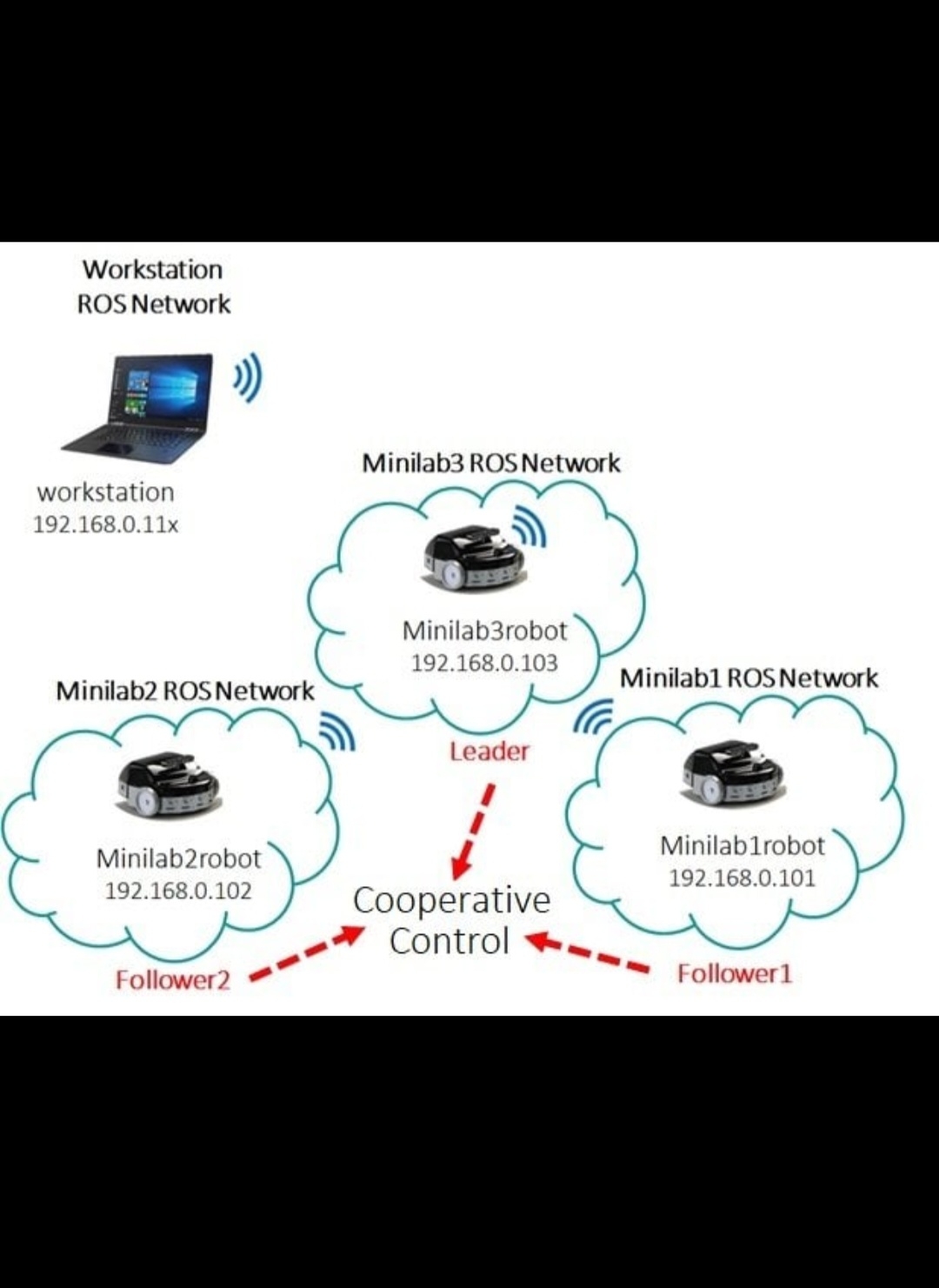
What catches my attention most is the infrastructure-first mindset. Instead of pushing surface-level marketing narratives, $ROBO’s thesis revolves around long-term integration: robotics + AI + decentralized coordination. That intersection is not crowded yet, which makes it strategically interesting. In Web3, the biggest asymmetry often exists where physical-world systems meet programmable finance.
I also view ROBO through a macro lens. Capital markets are gradually embracing real-world assets and tokenization. Robotics is a real-world asset class with measurable productivity output. If autonomous machines generate value, who governs them? Who earns from them? Who allocates their tasks? These are not abstract questions. They are economic design challenges — and that is precisely where tokenized governance models become powerful.
The deeper I analyze it, the more I see ROBO as a structural bet on machine economies rather than short-term AI hype. Autonomous fleets, robotic manufacturing lines, distributed sensor networks — these systems will require transparent coordination and incentive alignment. Blockchain offers auditability. Tokens offer programmable incentives. Robotics offers tangible productivity. When these three layers converge, entirely new market dynamics can emerge.
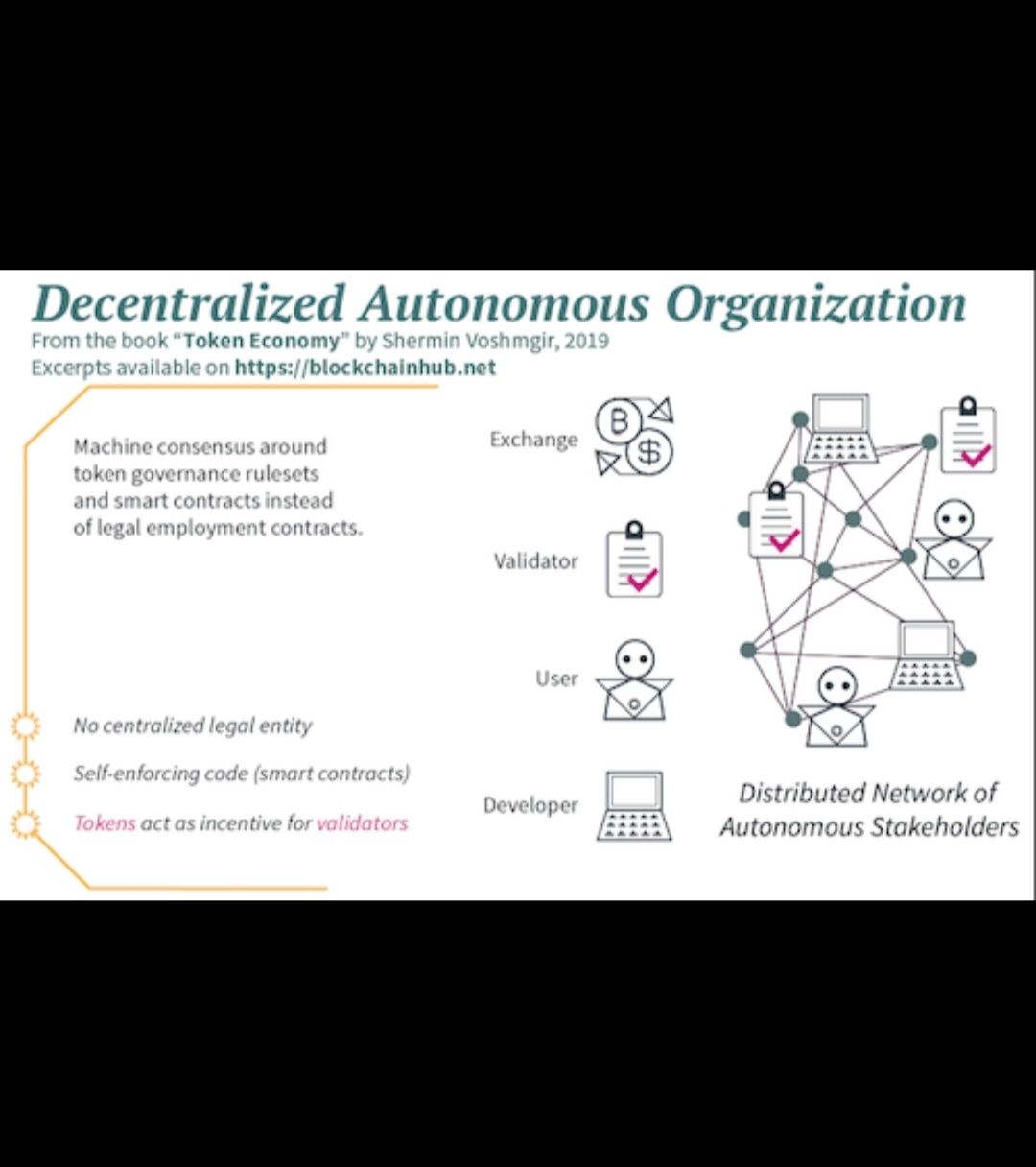
Of course, execution matters. Vision alone is not enough. Adoption, partnerships, and ecosystem development will define whether ROBO transitions from thesis to traction. But the direction is strategically sound: build rails before traffic arrives. History repeatedly shows that infrastructure plays outlast narrative cycles.
From where I stand, ROBO represents a shift from “AI content” to “AI physical output.” That difference is profound. We’re no longer talking about algorithms generating text — we’re talking about machines generating economic throughput. And if that throughput becomes token-coordinated, the implications extend far beyond a single project.
I don’t see ROBO as a speculative experiment. I see it as an early architectural layer for decentralized robotics economies. Quietly, methodically, infrastructure is forming. And if autonomous machines truly become economic actors, the projects that prepared coordination rails in advance will not need to chase attention the attention will come to them.