

The robotics industry is standing at a turning point. For decades, development has been confined to closed ecosystems where hardware and software exist in tightly controlled “black boxes.” While this model produced progress, it also slowed innovation, limited interoperability, and created safety and regulatory blind spots.
Fabric Foundation is advancing a new path forward through Fabric Protocol — a decentralized, open-access infrastructure designed to become the connective tissue of next-generation robotics.
A Decentralized Nervous System for Robots
Fabric Protocol does not simply build robots. It builds the foundation on which robots are created, governed, and continuously improved.

As a global open network supported by the Fabric Foundation, the protocol introduces agent-native infrastructure. Individual robotic agents can operate autonomously while remaining synchronized to shared global standards. This creates a decentralized “nervous system” where coordination and accountability coexist with independence.
Verifiable Computing: Building Trust into Autonomy
One of the greatest challenges in AI-driven robotics is the black box problem — understanding why a machine made a particular decision.
Fabric addresses this through verifiable computing. Every action, communication, and movement can be recorded and validated through a public ledger, generating a transparent “proof of execution.”
This has powerful implications:
Safety Audits: Clear traceability in the event of system failure or unexpected behavior.
Regulatory Compliance: Real-time verification that robots operate within legal and ethical frameworks.
Data Integrity: Protection against corrupted or manipulated training and operational data.
Trust is no longer assumed — it is provable.
Modular Evolution and Collaborative Advancement
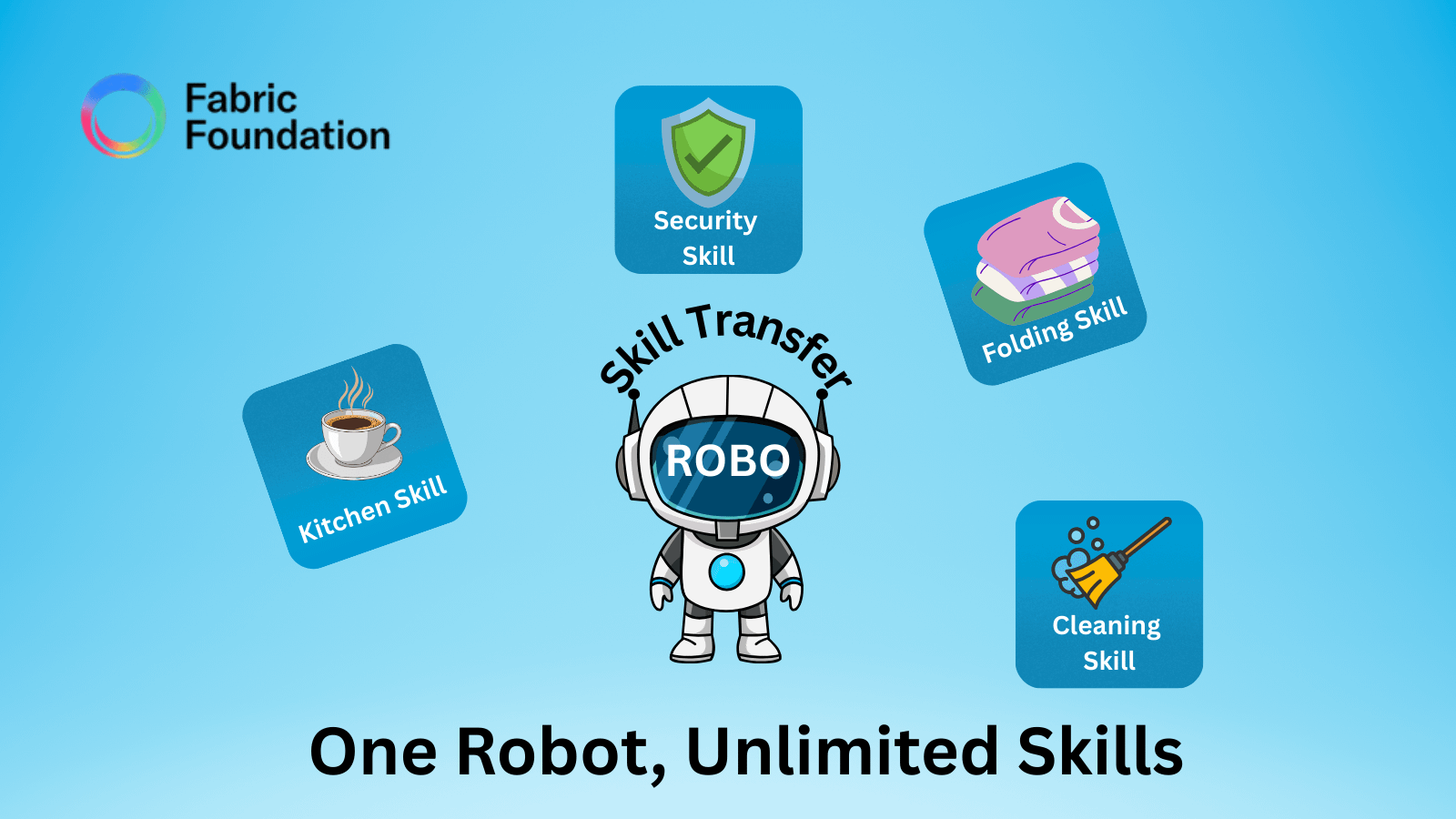
Fabric enables modular robotics development. Contributors can provide specialized components — whether a computer vision model, navigation stack, or locomotion framework — that integrate into a shared ecosystem.
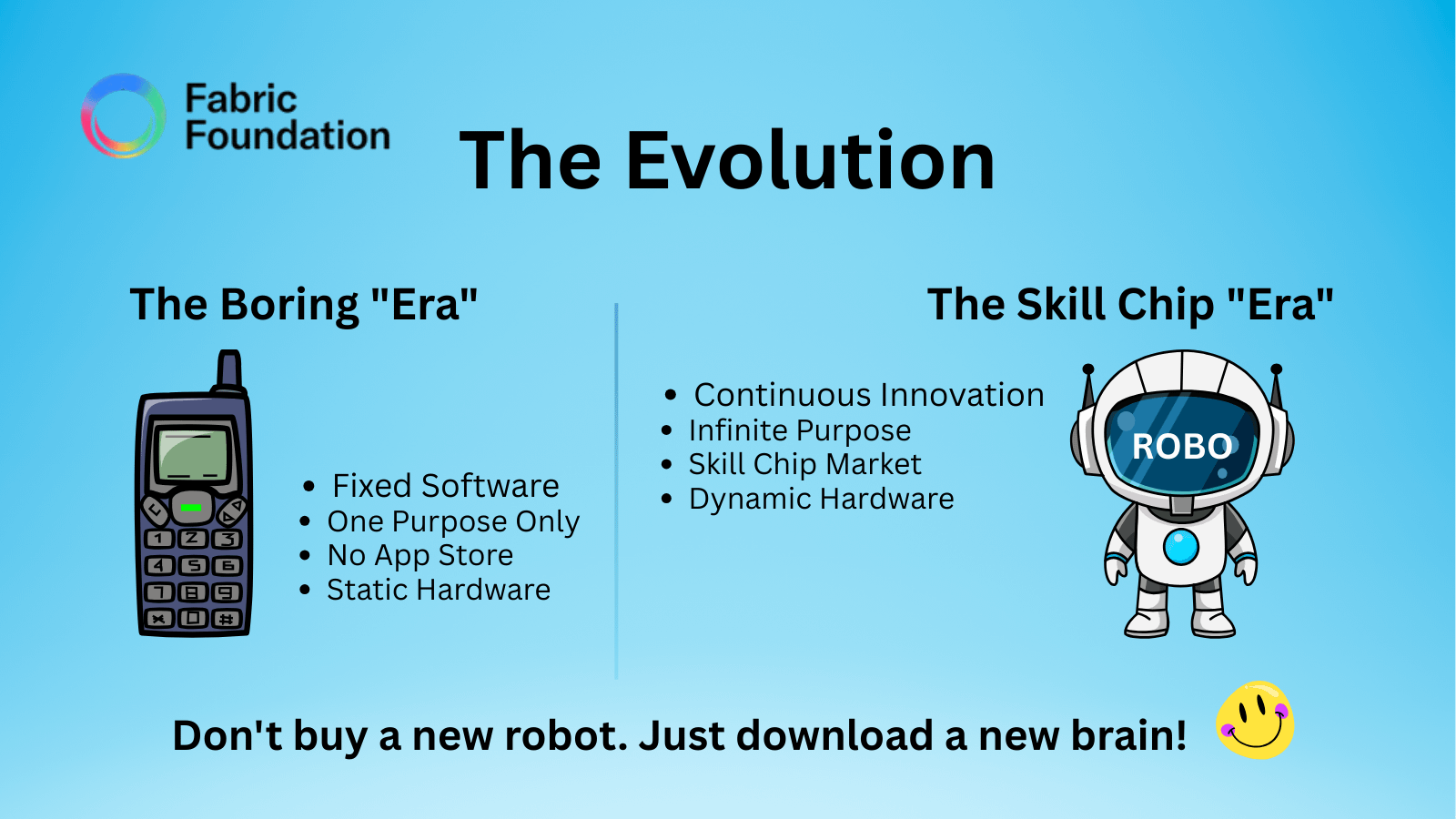
This modular architecture encourages collaborative evolution. Instead of isolated innovation, breakthroughs become collective assets. If one robot discovers a more efficient navigation method, that improvement can be securely validated and shared across the network.
Progress compounds.
Bridging the Human–Machine Divide
The long-term ambition of Fabric Protocol is seamless and secure human–machine collaboration. By embedding governance and computation within a transparent public infrastructure, Fabric reduces uncertainty around autonomous systems.
Robots are no longer opaque machines operating in isolation. They become verifiable, accountable participants in a shared digital and physical environment.
Fabric Protocol is not just a robotics platform — it is an infrastructure layer for trusted autonomy.