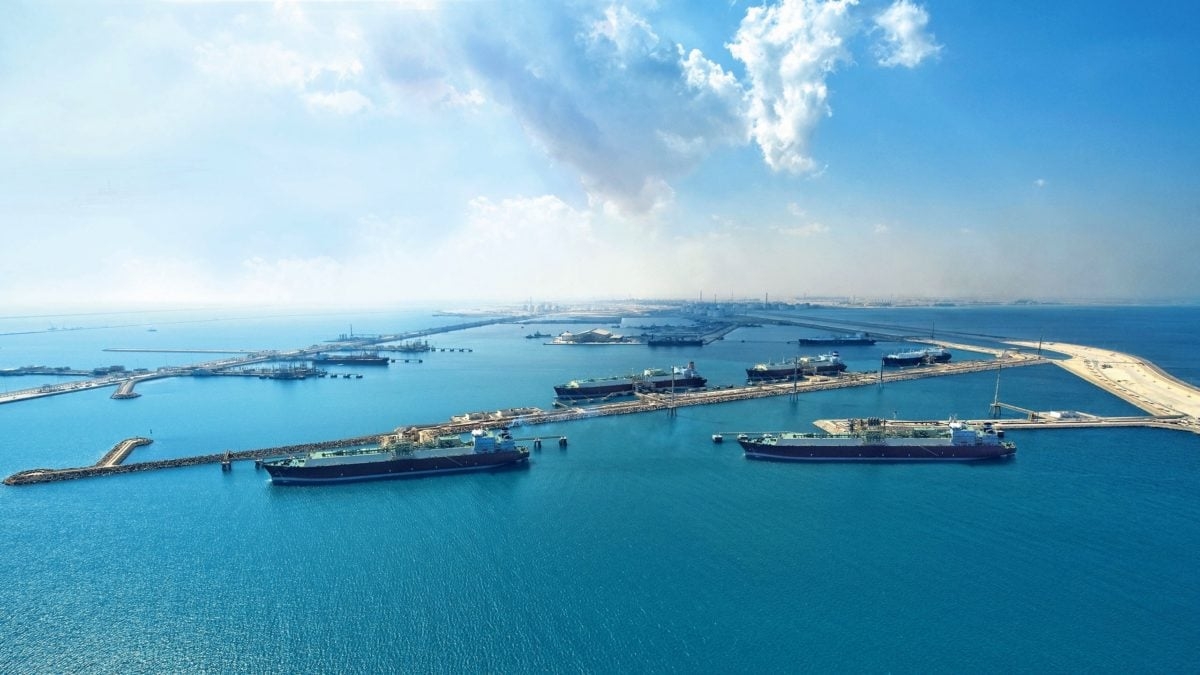
The world woke up this morning to a chilling new reality.Qatar, home to the world’s largest liquefied natural gas (LNG) export facility, has officially shut down production. The cause? A sudden, devastating drone attack from Iran that has sent shockwaves from the shores of the Persian Gulf to the living rooms of Europe.
The Ras Laffan plant, which provides nearly a fifth of the entire planet’s LNG supply, now sits silent. For many, this isn't just a business headline—it is a terrifying glimpse into a future where energy security can vanish overnight. As news of the halt spread, European gas prices didn’t just rise; they exploded, surging by more than 50% in a single day. Traders and citizens alike are watching the tickers with bated breath, wondering just how high the cost of living will climb.
The tension is thickest at the Strait of Hormuz. This narrow waterway is the lifeblood of global fuel shipments, carrying 20% of the world’s LNG. Today, it is a scene of ghost ships and stalled traffic. Tankers have largely stopped transiting the area, fearing they might be the next targets in an escalating conflict. QatarEnergy has been forced to declare "force majeure," a legal term that essentially means they can no longer fulfill their promises to customers due to circumstances beyond their control.
But the fear goes deeper than just economics. The air in the Middle East is heavy with the scent of smoke and the sound of sirens. U.S. President Donald Trump has warned that the bombing campaign against Iran could last for weeks. Meanwhile, the skies over Israel, Saudi Arabia, and the United Arab Emirates are filled with the streaks of intercepted missiles. The region is a powderkeg, and the match has been lit.
In Europe, the timing couldn't be worse. Storage inventories are already dangerously low, and countries were counting on a steady stream of Qatari gas to prepare for the coming winter. Now, they are forced to compete for dwindling supplies, driving prices to their highest levels since the start of the Ukraine invasion years ago. Analysts are warning that if the Strait of Hormuz remains closed for even a month, prices could double again.
There is a haunting sense of uncertainty hanging over everything. While the United States is scrambling to boost its own LNG production, experts say it simply won't be enough to fill the massive void left by Qatar. As the sun sets on a world in crisis, one question remains: How long can this disruption last before the global economy—and the heat in our homes—simply gives out? We are no longer just watching a news cycle; we are living through a scenario that many hoped would never come to pass. The world is waiting, and the clock is ticking.
#XCryptoBanMistake #USIsraelStrikeIran #USCitizensMiddleEastEvacuation #BlockAILayoffs $LUNA $DOGE $PEPE