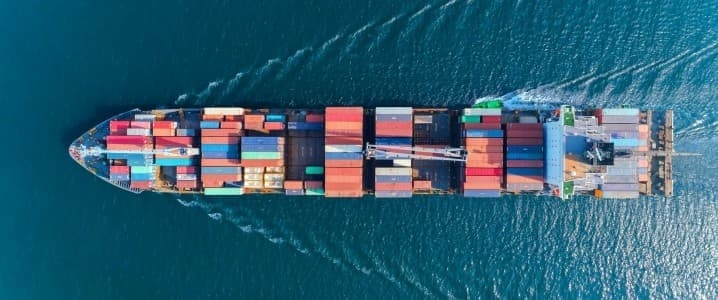
The global energy market is facing a major shock this week. Major maritime insurers have started cancelling war risk coverage for ships traveling through the Persian Gulf and the Strait of Hormuz. This move comes after a sharp escalation of conflict in the region, particularly involving Iran.
Why Is This Happening?
The world’s biggest insurance clubs, including the American Steamship Owners Mutual Protection and Indemnity Association and the London P&I Club, have issued notices of cancellation. They are citing a "materially heightened level of geopolitical and operational uncertainty."
Essentially, the risk of ships being caught in crossfire or targeted has become too high for insurers to handle. As of midnight on March 5, 2026, most major protection policies for this specific area will be terminated.
The Impact on Shipping Costs
When insurance coverage disappears, the cost of doing business skyrockets. Before the recent strikes in the UAE, Kuwait, and Bahrain, war risk premiums were around 0.25% of a vessel’s hull value. Now, those rates are jumping by 50% or more.
A standard $100-million supertanker (VLCC) used to cost about $250,000 for a single voyage.
Under the new risk levels, that same voyage could now cost over $400,000.
These costs are often passed down, eventually leading to higher prices for fuel and goods worldwide.
Specific Areas Affected
The cancellation of coverage isn't just for a small patch of water. It covers a massive area essential for global oil trade, including:
The Persian/Arabian Gulf.
The Gulf of Oman.
Waters west of Oman’s territorial limits.
The coastal borders between Iran and Pakistan.
What This Means for Global Energy
The Strait of Hormuz is the world's most important oil transit chokepoint. With insurers pulling out, many shipping companies may be forced to reroute their vessels or stop operations in the area entirely. This has already triggered a "supply risk" fear in the markets.
Oil prices are surging toward $84 per barrel.
Natural gas prices have spiked by 30% as shipments from Qatar face delays.
Refineries in Asia are already cutting back on processing because they fear a shortage of Iranian and Middle Eastern crude oil.
A Dangerous Road Ahead
Industry experts note that "reinsurers' appetite for war risk exposure is tightening." This means that even if a shipping company wants to pay more for insurance, they might not find anyone willing to sell it to them.
The situation remains fluid. With drone strikes hitting major refineries and countries like Pakistan already rerouting their oil supplies, the global economy is bracing for a period of extreme volatility. For now, the "Strait of Hormuz crisis" is no longer a possibility—it is a reality that is making every gallon of gas more expensive.
#XCryptoBanMistake #IranConfirmsKhameneiIsDead #GoldSilverOilSurge #USIsraelStrikeIran $KITE $AAVE $FIL