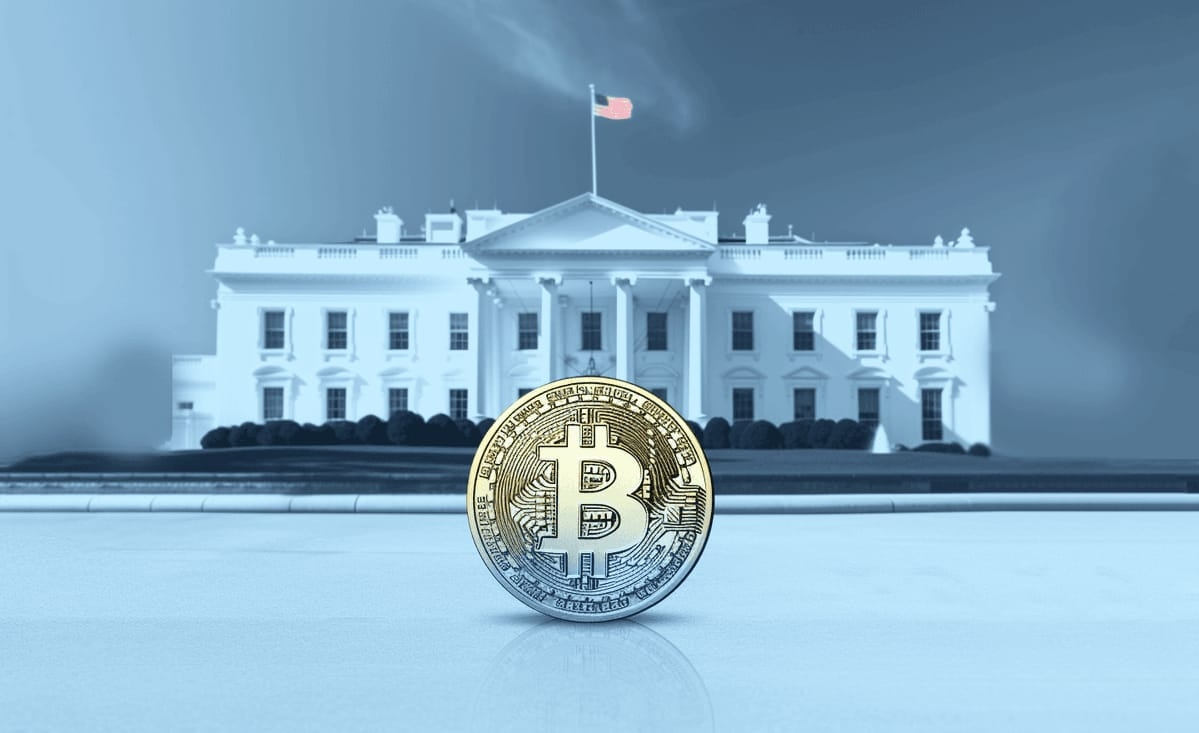
#Trump's In a sharp escalation of tensions between traditional finance and the crypto industry, U.S. President Donald Trump has publicly criticized major American banks for allegedly attempting to weaken the proposed GENIUS Act, a bill aimed at establishing clear regulations for stablecoins and broader cryptocurrency market structure reform.
Trump’s Strong Warning to Banks
Speaking on the ongoing regulatory debate, Trump accused large banking institutions of trying to "undercut innovation" and slow down digital asset reforms that could reshape the U.S. financial system.
According to Trump, banks fear losing dominance as blockchain-based payment systems and stablecoins grow in adoption. He suggested that established financial institutions are lobbying behind the scenes to dilute key provisions of the GENIUS Act.
“Banks are trying to undercut the GENIUS Act,” Trump reportedly said, emphasizing that Congress should move swiftly to pass the legislation without weakening its core protections for crypto innovation.
What Is the GENIUS Act?
The GENIUS Act is designed to:
Establish a federal framework for stablecoin issuance
Define reserve requirements and transparency rules
Clarify regulatory oversight between federal agencies
Encourage innovation while protecting consumers
Provide legal certainty for crypto companies operating in the U.S.
Supporters argue that the bill would make the United States a global leader in digital asset regulation, while critics warn about potential financial stability risks.
Stablecoins at the Center of the Dispute
Stablecoins — cryptocurrencies pegged to assets like the U.S. dollar — have become a major part of the digital economy. Companies use them for:
Faster cross-border payments
Decentralized finance (DeFi) transactions
Institutional crypto trading
Settlement systems outside traditional banking rails
Banks, however, are reportedly concerned that privately issued stablecoins could reduce reliance on traditional deposits and payment networks.
Political and Economic Implications
Trump’s intervention adds a strong political dimension to the crypto regulation debate. His stance positions him as pro-crypto and anti-establishment banking influence, a message likely aimed at:
Crypto investors
Blockchain entrepreneurs
Younger, tech-focused voters
Financial freedom advocates
If passed, the GENIUS Act could reshape how stablecoins operate in the U.S., potentially increasing competition with traditional banking systems.
What Happens Next?
The bill is currently under congressional consideration. Lawmakers face pressure from:
Banking lobby groups
Crypto advocacy organizations
Financial regulators
Institutional investors
Trump has urged Congress to act “immediately,” framing the legislation as critical for American financial innovation and competitiveness against countries aggressively developing digital asset frameworks.#usa