
AI has certainly made tremendous strides in the last few years. It can create content, write code, summarize data, and even assist in decision-making processes. However, there is just one issue that continues to crop up, and that is, just because the answer appears to be very confident does not necessarily mean that the answer is correct.
Any person who has used AI frequently has probably encountered this issue at some point. It is true that, in most cases, the answer might appear quite convincing, but the process of ensuring whether the answer is correct might require additional effort.
Although this might not be a major issue in everyday life, there are certainly other fields, like finance, logistics, and medicine, where the issue of accuracy is extremely significant. Thus, there must be a mechanism in place to ensure the accuracy of the results produced by AI.
This is where the concept behind @Mira - Trust Layer of AI becomes rather interesting, as instead of focusing on developing AI, the team is looking at the issue from a rather alternative perspective, namely, ensuring the verification of AI outputs.
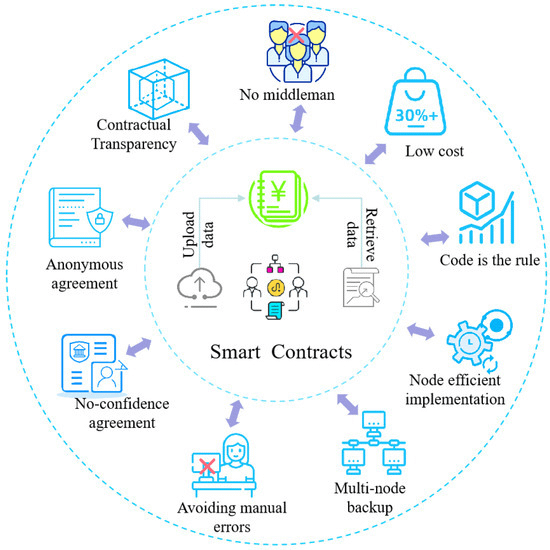
The basic idea is relatively simple: it’s just the notion that AI results should be validated as opposed to simply accepted. The use of decentralized verification eliminates reliance on a single entity for checking results.
Of course, if such techniques continue to evolve, they could potentially become part of the larger AI ecosystem. Verification layers could potentially be part of making AI systems more trustworthy, especially in situations where accuracy is of primary concern.
From that standpoint, it’s clear that $MIRA is attempting to deal with a very basic issue in the AI world: making sure that results produced by a machine are trustworthy.