
The rise of intelligent machines is no longer a distant vision it is rapidly becoming the backbone of our digital and physical future. At the center of this transformation stands @Fabric Foundation, a pioneering initiative that is quietly redefining how robotic intelligence is created, shared, and rewarded across a decentralized ecosystem. For traders and technology observers on Binance Square, the emergence of ROBO represents far more than just another token listing; it signals the birth of a new economic layer designed specifically for the robotic age. #ROBO
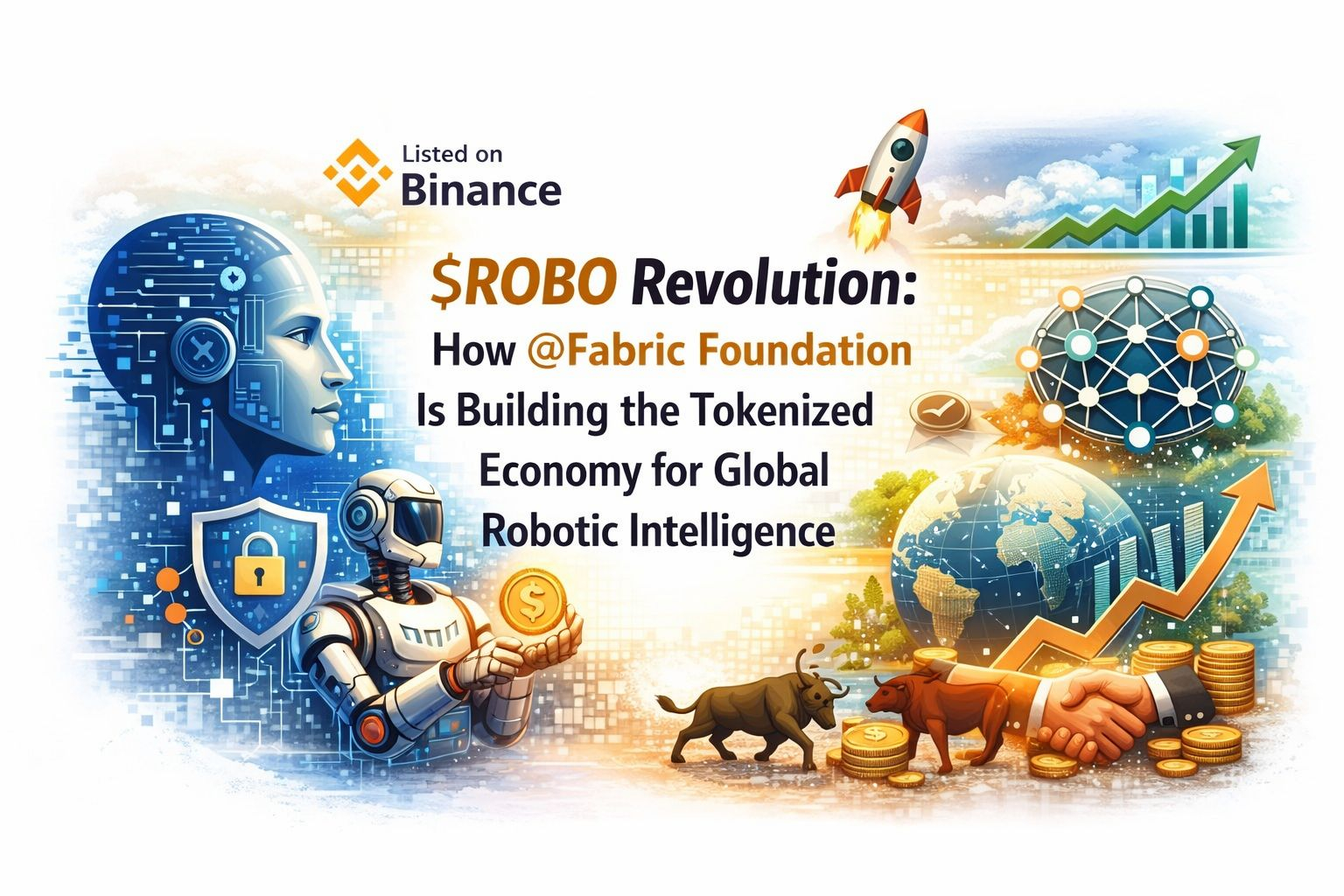
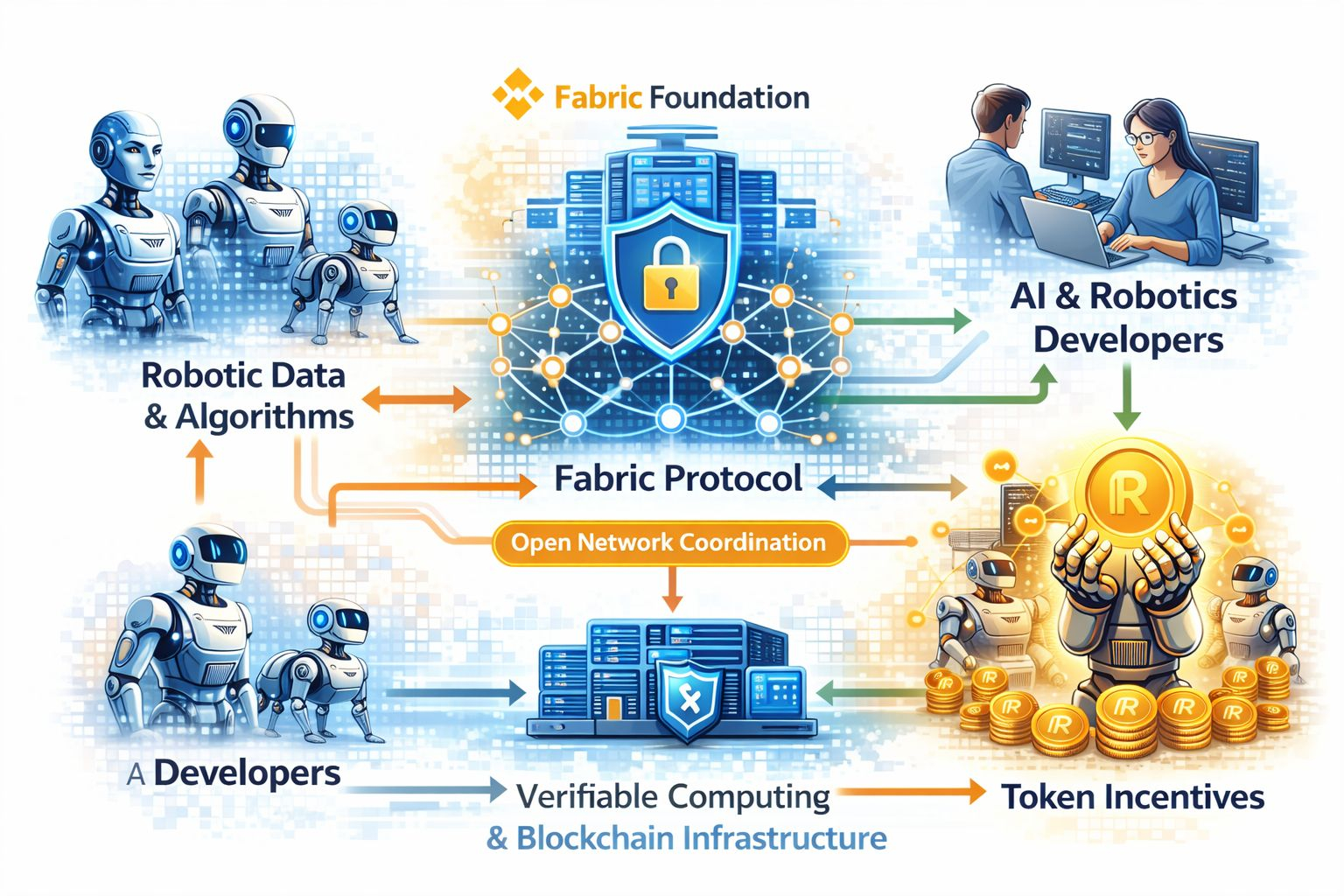
What makes the Fabric Protocol so fascinating is its ambitious yet practical mission. In a world where robots and autonomous agents generate massive amounts of valuable data from navigation patterns to task-learning algorithms the question has always been: who owns this data, and how can it be shared securely? @Fabric Foundation answers this through a powerful blend of verifiable computing, decentralized infrastructure, and tokenized incentives. This framework allows robotic systems and developers to contribute data into a global network where contributions are transparently verified and rewarded through $ROBO.
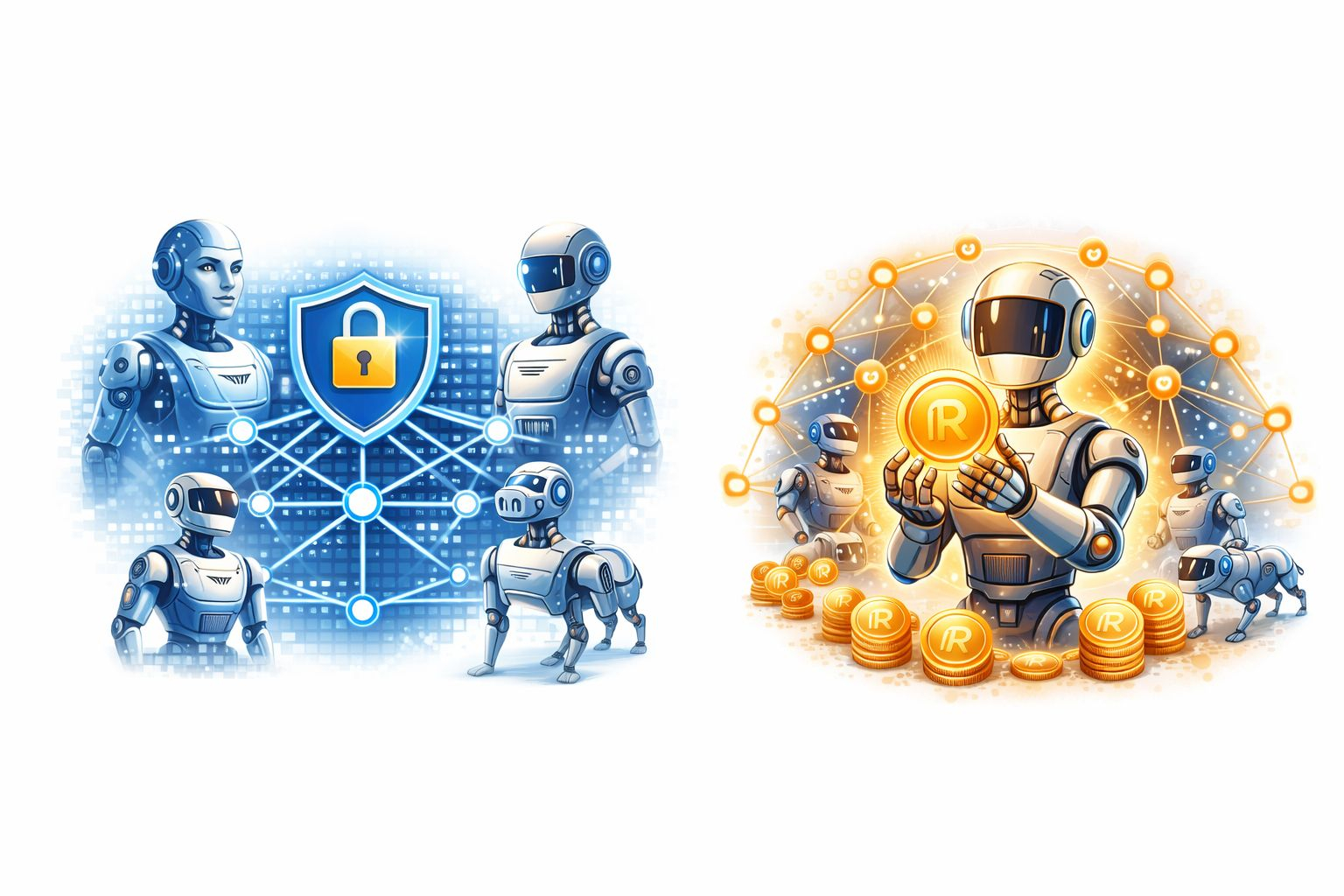
From a market perspective, the implications are enormous. As robotics expands across industries logistics, agriculture, manufacturing, and healthcare the value of high-quality robotic datasets will grow exponentially. Fabric Protocol positions itself as the open coordination layer where robots, developers, and organizations can collaborate without centralized control. Every contribution whether it is training data, algorithms, or computing power can be validated on-chain and rewarded. This creates a self-sustaining economic loop powered by the $ROBO token.
For traders watching Binance closely, $ROBO represents exposure to a narrative that sits at the intersection of AI, robotics, and decentralized infrastructure three of the most powerful technological forces shaping the next decade. Markets tend to reward projects that introduce entirely new economic primitives, and Fabric’s model of tokenized robotic data sharing could become a cornerstone for the next generation of machine intelligence networks.
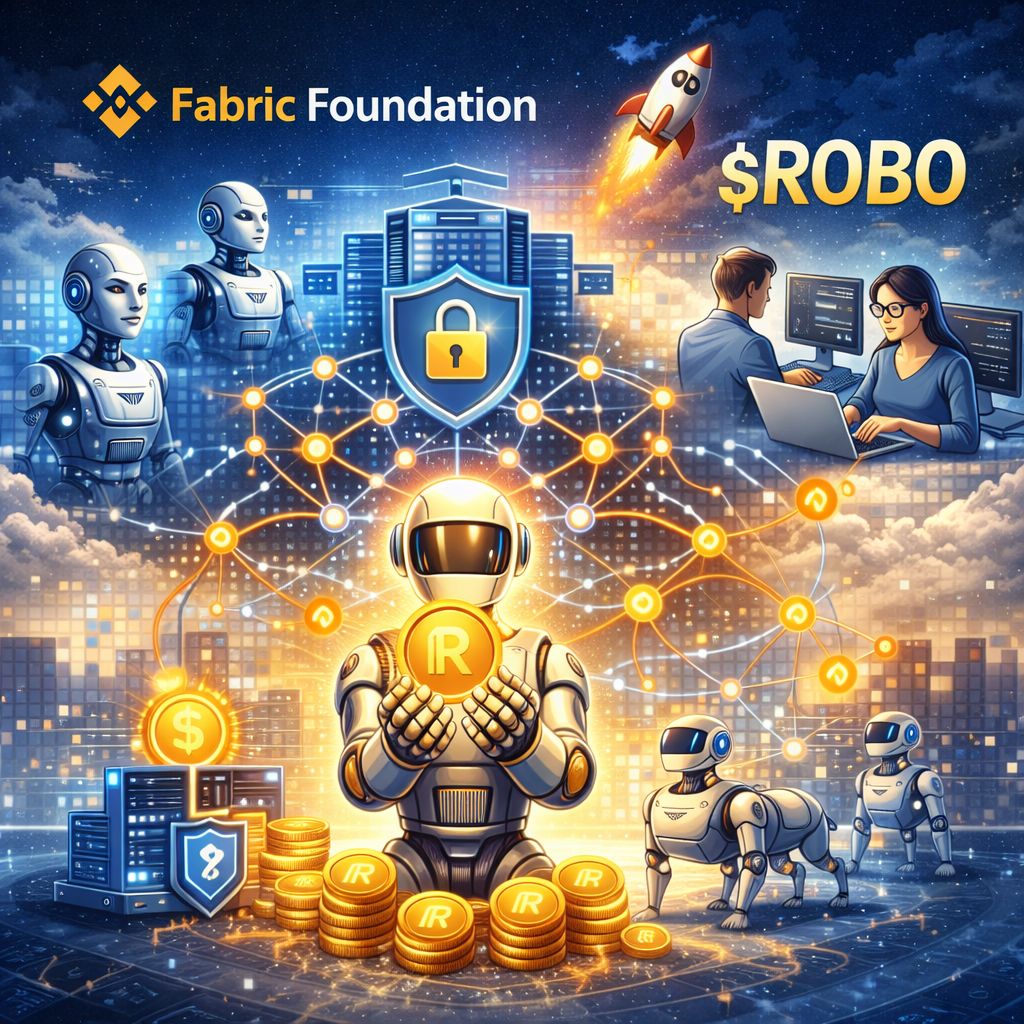
But beyond the charts and price speculation, the real excitement lies in the vision. Imagine a world where millions of robots from warehouse drones to autonomous delivery systems continuously contribute knowledge to a shared global network. Each movement, each improvement in efficiency, each newly learned skill becomes part of a collective intelligence system governed transparently through blockchain. In this ecosystem, ROBO acts as the fuel, incentivizing collaboration while ensuring that contributors are fairly compensated.
This is why many forward-looking traders are beginning to see ROBO not just as a token, but as an early gateway into the robotics data economy. If the Fabric Protocol successfully scales its infrastructure and attracts a growing community of robotic developers, the value proposition could expand dramatically.
In the fast-moving world of crypto markets, narratives drive momentumb and the narrative behind @Fabric Foundation and ROBO is one of technological convergence, decentralized collaboration, and the tokenization of machine intelligence itself. For those paying attention to the deeper currents shaping Web3 and robotics, this is a story that is only just beginning.