Brent crude surges past $85/barrel, up 8% to $85.12 on March 3, 2026, highest since July 2024
WTI crude jumps 7% to $76.47/barrel, breaking through $75 resistance with volume surge
Strait of Hormuz closure threatens 20% of global oil supply, driving risk premium to $14/barrel
Market Overview
Brent crude trades at $85.12 while WTI reaches $76.47 amid supply disruption fears
Iraq cuts 1.5 million barrels per day output due to blocked exports and regional conflicts
Saudi refinery operations halted following drone strikes, compounding global supply shortages
Trading volumes amplified 150-300% above baseline as geopolitical tensions escalate
Core Driving Factors
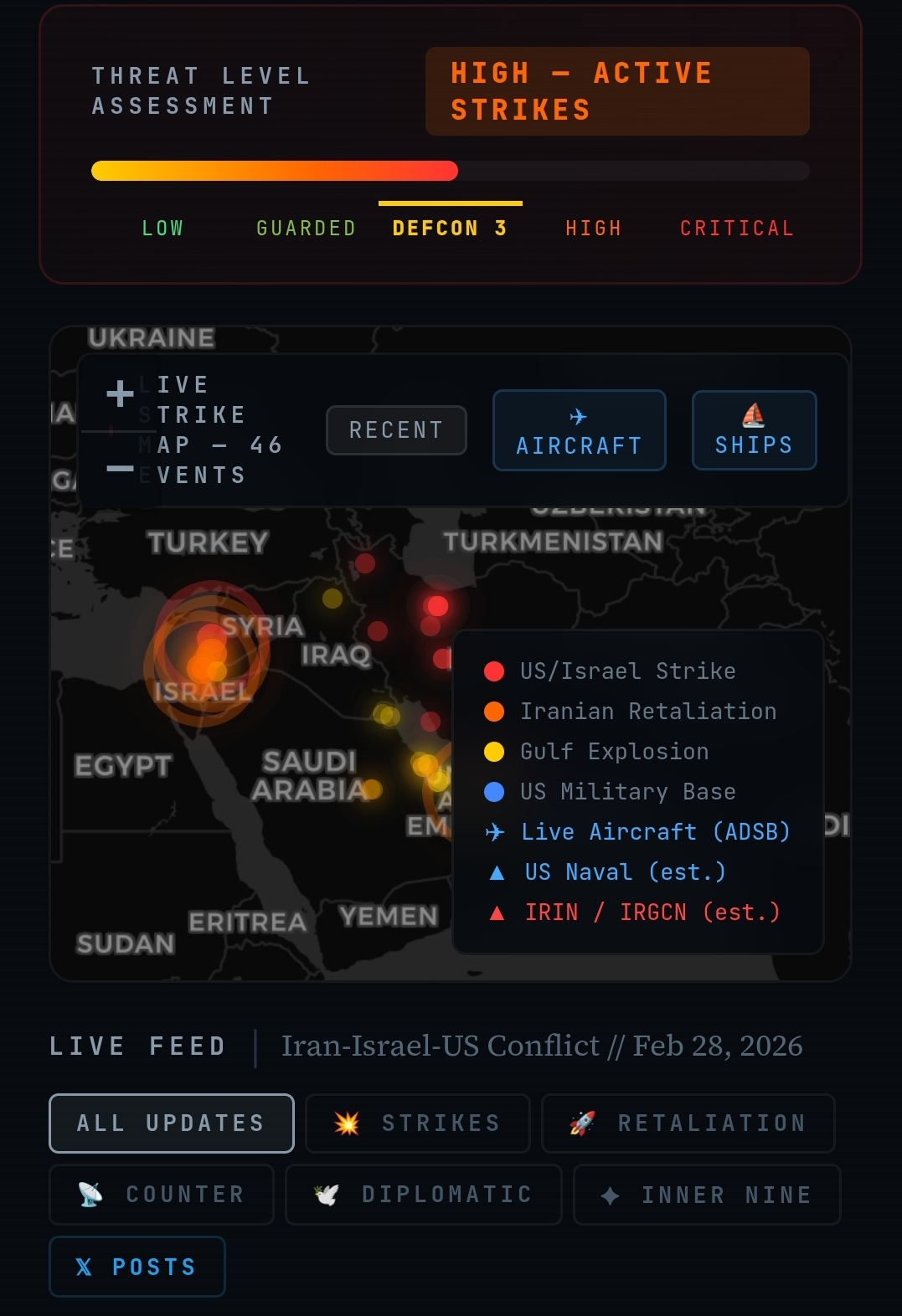
US and Israel launched strikes on Iran February 28, triggering retaliatory missile attacks on GCC bases
Iranian Revolutionary Guards threaten vessels in Strait of Hormuz, causing marine insurers to withdraw coverage
OPEC+ announces 206,000 barrels/day output increase in April, insufficient to offset disruption risks
US Navy escorts Gulf vessels while analysts project $80-$90 Brent near-term with extreme scenarios reaching $120
Trading Strategy
Brent breaks key resistance at $85 with next targets at $90-$95 if Strait closure persists
Wait for pullbacks to $80-$82 range for long entries rather than chasing current highs
Set stop-loss at $77.50 for Brent longs with profit targets at $90-$95 on continued disruption
Call options and call spreads recommended for hedging against further upside price spikes
Risk Warning
Geopolitical spikes often reverse quickly if tensions de-escalate, with 5-10% pullbacks common historically
Prolonged oil prices above $100/barrel could trigger global inflation and force central bank policy reversals
High-leverage positions face significant liquidation risk given volume amplification and sudden market reversals $DUSK