
We are living in a time where robots are slowly moving from science fiction into real life. They are working in factories, helping in hospitals, exploring space, and even supporting people at home. But there is one big problem that many people do not talk about enough. How do we trust these machines when they start making decisions on their own?
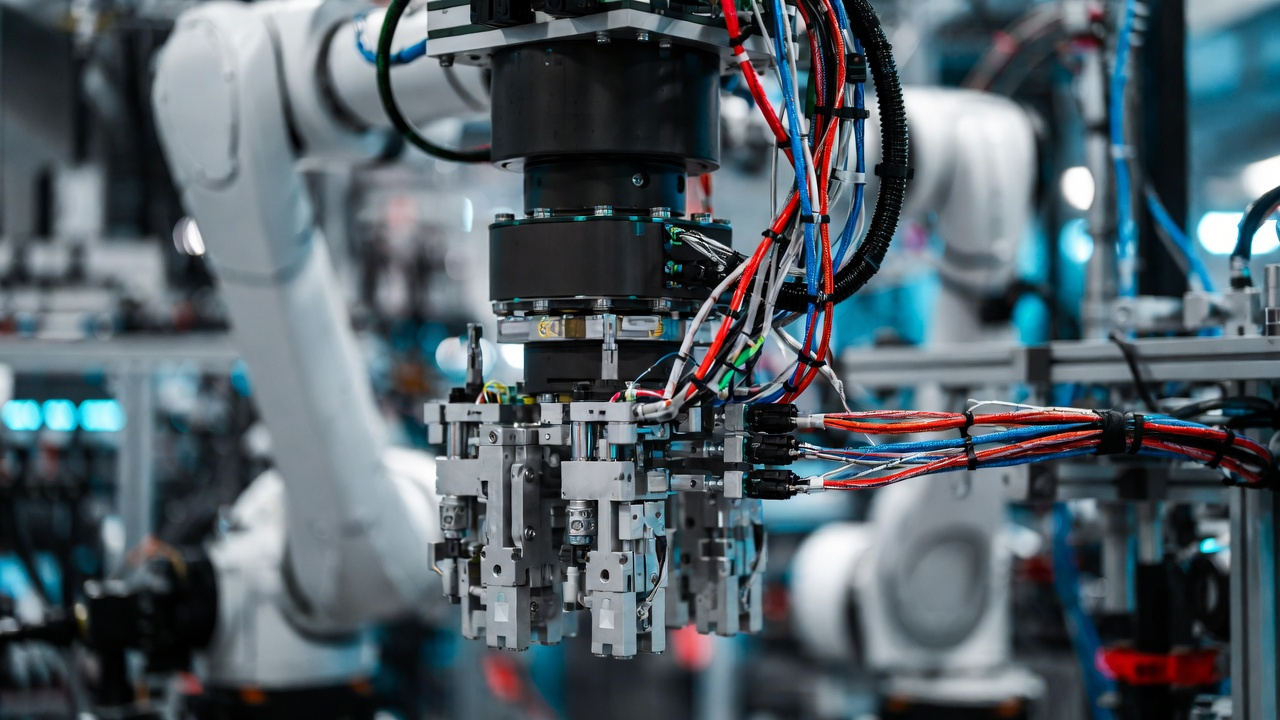
Fabric Protocol is trying to answer that question. It is a global open network supported by the non profit organization called Fabric Foundation. The goal is simple but powerful. It wants to make robots safe, verifiable, and trustworthy by using something called verifiable computing and a public ledger. If robots are going to live and work with us, we need a system that makes sure they behave in ways that are transparent and accountable.
In this beginner friendly guide, I will explain what Fabric Protocol is, how it works, why it matters, and what it could mean for our future. I will use very simple words so that anyone can understand it, even if you are new to blockchain or robotics.
What Is Fabric Protocol?
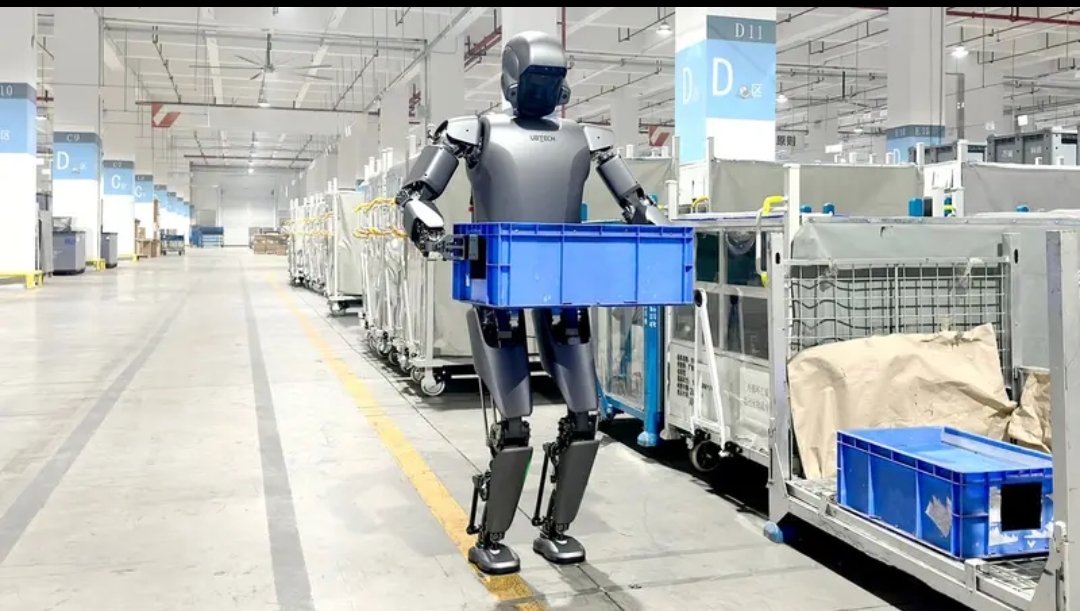
Fabric Protocol is a global open network designed to help build and manage general purpose robots. When I say general purpose robots, I mean robots that can do many different tasks, not just one small job. They can learn, adapt, and work in different environments.
The project is supported by the Fabric Foundation, which works as a non profit organization. That means it is not built only for profit. Its mission is to create a shared system where developers, companies, and communities can work together to build robots that are safe and trustworthy.
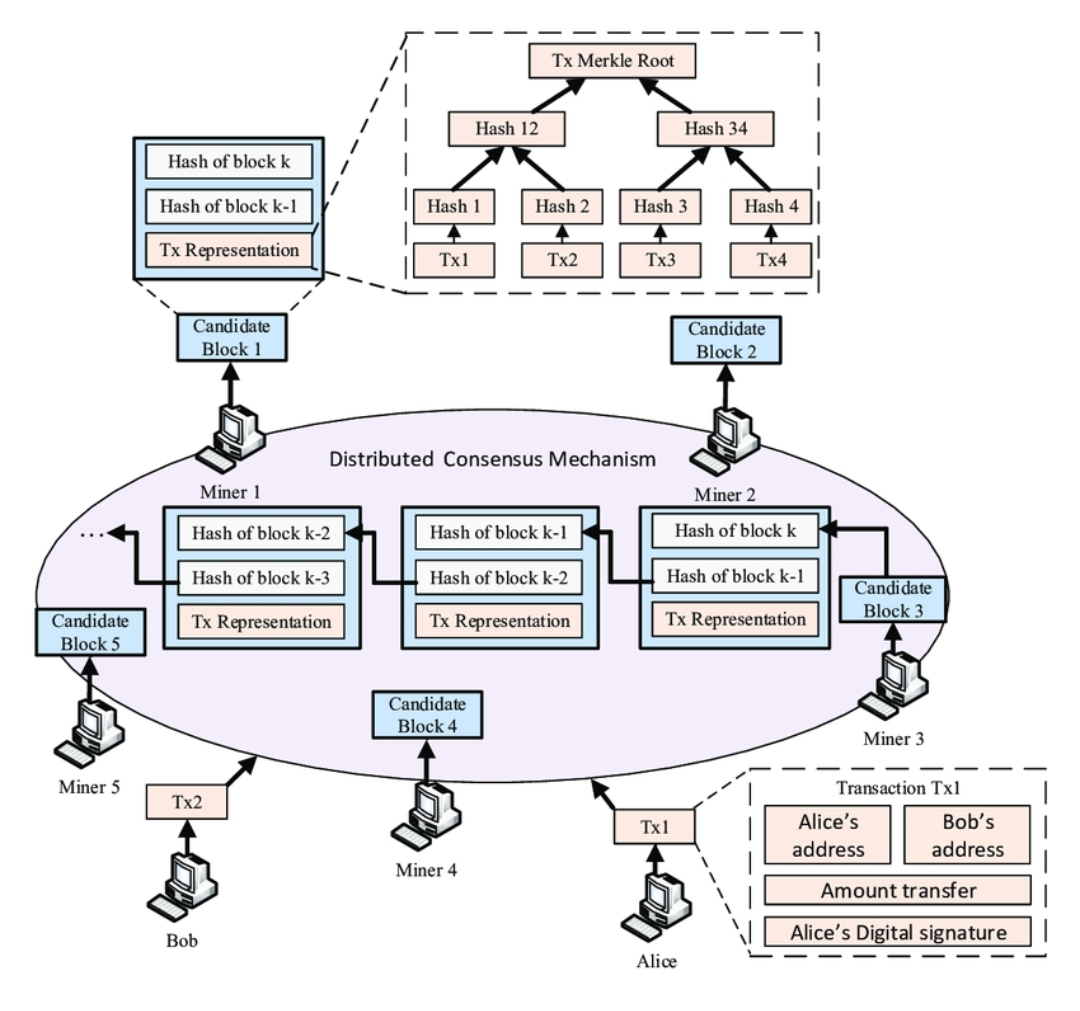
Fabric Protocol connects three important things. Data, computation, and regulation. It uses a public ledger, which is similar to blockchain technology, to record actions and decisions. This ledger cannot be easily changed, so it creates transparency. If something goes wrong, people can check the records and understand what happened.
In simple words, Fabric Protocol is trying to become a trust layer for robots.
Why Do We Need Trust in Robots?

We are seeing more robots being used in critical areas like healthcare, transport, and security. If a robot is helping in surgery or driving a vehicle, even a small mistake can cause serious harm.
Right now many intelligent systems act like black boxes. They make decisions, but we cannot clearly see how they reached those decisions. This creates fear and uncertainty. If something bad happens, it becomes difficult to know who is responsible.
Fabric Protocol is designed to solve this problem by making robot actions verifiable. That means their decisions can be checked and confirmed through a secure network. If a robot claims it followed a certain rule, the system can prove it.
This idea is inspired by blockchain systems where transactions are recorded in a transparent and secure way. Instead of only recording money transfers, Fabric Protocol records robot actions and computations.
How Fabric Protocol Works in Simple Words.
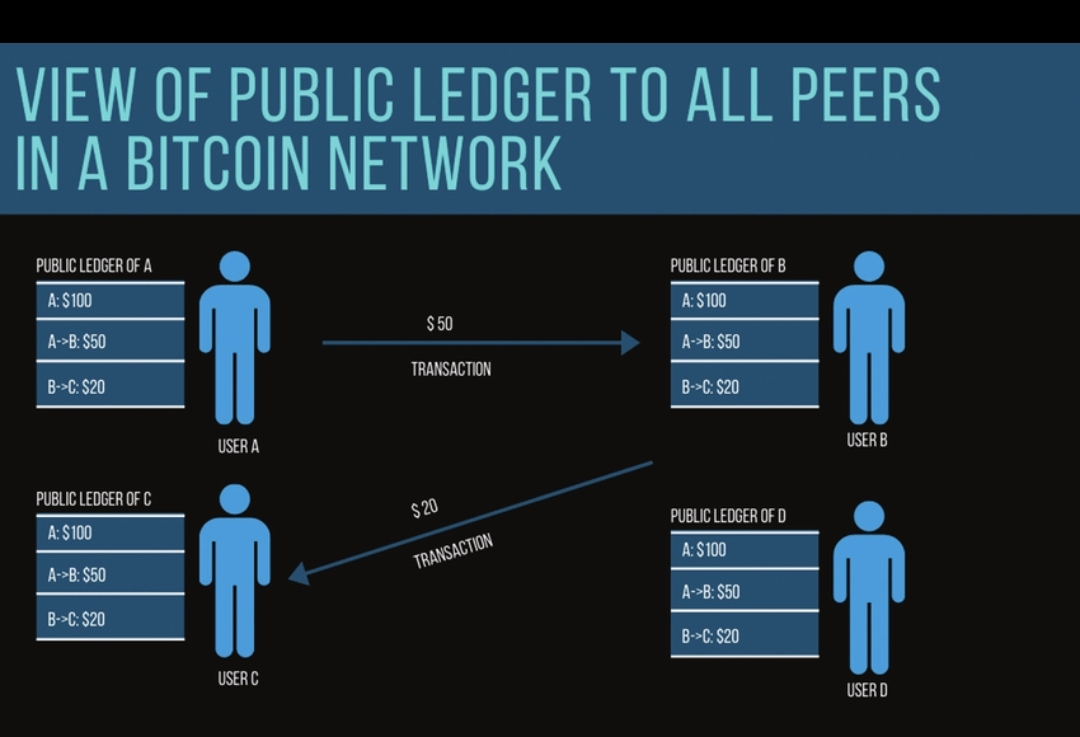
At the heart of Fabric Protocol is verifiable computing. This means that when a robot performs a task or makes a decision, it creates proof that the task was done correctly. That proof is shared on a public ledger.
Let me explain in a simple way.
Imagine a robot delivering medicine in a hospital. It says it followed all safety rules. With Fabric Protocol, the robot can provide cryptographic proof that it did exactly what it was supposed to do. Other participants in the network can check this proof.
The protocol also uses modular infrastructure. That means different parts of the system can be updated or improved without breaking the whole network. Developers can build new tools and plug them into the network easily.
Another important idea is agent native infrastructure. Robots are treated like digital agents. They have identities on the network. They can follow rules, receive updates, and interact with other agents in a structured way.
We are seeing a shift where robots are not just machines, but network participants.
Governance and Regulation Through Code
One powerful part of Fabric Protocol is governance. Governance means how rules are created and enforced.
Instead of relying only on human supervision, Fabric Protocol can encode rules directly into the system. If a robot tries to act outside allowed limits, the network can detect it.
For example, if a robot is programmed to operate only in a specific area, the protocol can verify its location data. If it leaves that area without permission, the action is recorded and flagged.
This does not remove humans from control. Instead, it gives humans better tools. If something goes wrong, there is a clear record. Responsibility becomes easier to track.
It becomes a system where safety and transparency are built in from the start.
What Makes Fabric Protocol Different?
Many robotics projects focus only on hardware or artificial intelligence. Fabric Protocol focuses on trust infrastructure.
It combines blockchain principles like public ledgers and cryptographic proofs with robotics. This combination creates a new type of network where robots can collaborate safely.
It is also open and global. That means developers from different countries can contribute. Companies can build on top of it. Researchers can test new ideas.
If you think about how the internet changed communication, Fabric Protocol is trying to create a similar shared layer, but for robots.
Real World Impact and Future Vision.
If Fabric Protocol succeeds, it could change how robots are used everywhere.
Hospitals could use robots with higher confidence because their actions are verifiable. Factories could automate complex tasks while keeping detailed and trustworthy records. Smart cities could manage robotic systems in a transparent way.
I am not saying it will solve every problem overnight. But if robots are going to become part of daily life, we need strong systems that protect people.
We are moving toward a world where machines make more decisions. If we build that world without trust, it can become dangerous. If we build it with transparency and accountability, it becomes powerful and safe.
Conclusion
Fabric Protocol is a global open network supported by the Fabric Foundation. Its goal is to make general purpose robots trustworthy through verifiable computing and a public ledger. It connects data, computation, and governance into one transparent system.
In simple words, it is building a trust layer for robotics. It helps robots prove that they are following rules. It gives humans better oversight. It encourages collaboration across the world.
If robots are going to live and work with us, we need systems that we can rely on. Fabric Protocol is one step in that direction.
The future of robotics is not only about intelligence. It is about trust.
If you care about the future of safe human machine collaboration, start learning more about trust based robotics networks and stay informed as this space grows.
#FabricProtocol #RoboticsFuture #Web3Innovation $ROBO
