
W miarę jak agenci AI stają się coraz bardziej zdolni, rozmowa często koncentruje się na wydajności modeli i szybkości automatyzacji. Jednak głębszy problem strukturalny pozostaje nierozwiązany: koordynacja. Gdy autonomiczne systemy zaczynają wykonywać zadania, zarządzać danymi lub interakcjami finansowymi, kto weryfikuje ich działania i jak są dostosowane zachęty?
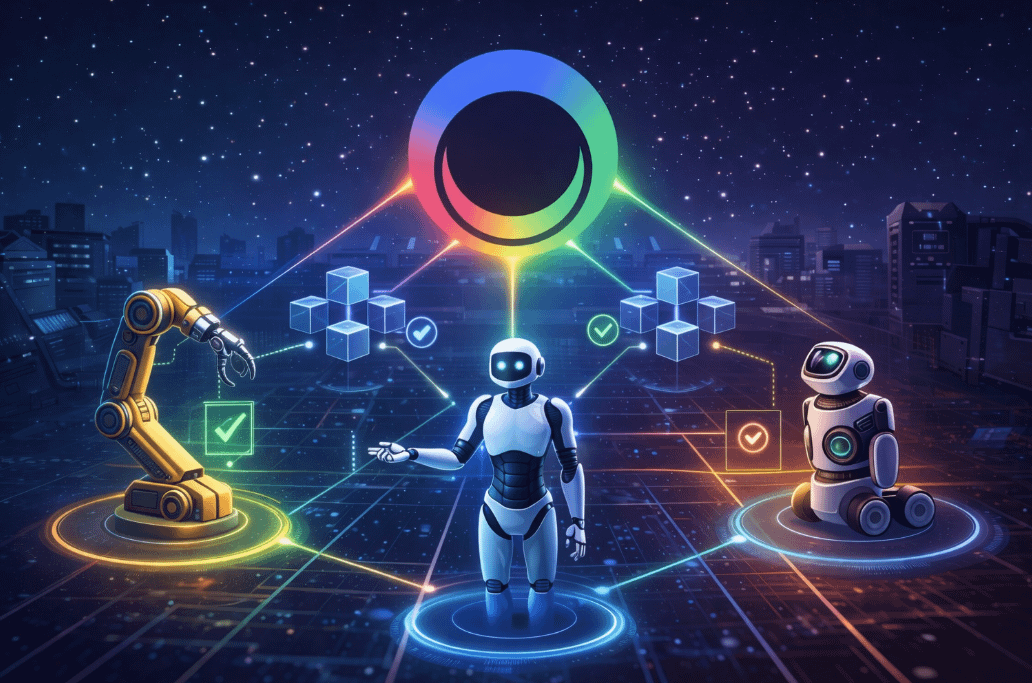
Fundacja Fabric podchodzi do tego wyzwania z perspektywy infrastruktury. Zamiast budować aplikację AI na poziomie powierzchniowym, protokół jest zaprojektowany tak, aby zakotwiczyć aktywność obliczeniową w weryfikowalnym rejestrze. To przekształca wykonanie AI z procesu czarnej skrzynki w coś przejrzystego i audytowalnego.

Od wykonania do weryfikacji
Weryfikacja nie jest tylko cechą techniczną. To fundament ekonomiczny. Jeśli wyniki obliczeniowe mogą być weryfikowane na łańcuchu, to zaufanie przesuwa się z założenia na dowód. Moim zdaniem, to tutaj #Fabric różnicuje się. Sieć nie tylko umożliwia funkcjonalność AI, ale stara się stworzyć zaufane środowisko dla koordynacji napędzanej przez maszyny.
Poprzez strukturalizację interakcji agentów w oparciu o ramy księgi, Fabric ustanawia mierzalną odpowiedzialność. To jest niezbędne, jeśli systemy autonomiczne mają być skalowane w sposób odpowiedzialny.
Użyteczność tokenów jako projekt strukturalny
Zrównoważony rozwój każdego protokołu infrastrukturalnego zależy od dostosowania zachęt. To tutaj $ROBO staje się integralną częścią ekosystemu. Zamiast istnieć tylko jako aktywa handlowane, token funkcjonuje w ramach zarządzania, weryfikacji i warstw uczestnictwa.
Jeśli uczestnicy i walidatorzy wchodzą w interakcję za pośrednictwem $ROBO , to użyteczność tokenów jest bezpośrednio osadzona w operacjach sieciowych. To tworzy pętlę sprzężenia zwrotnego, w której wzrost ekosystemu wzmacnia popyt ekonomiczny. Z mojej perspektywy, tokeny, które są strukturalnie wymagane, mają tendencję do posiadania silniejszych podstaw długoterminowych niż te napędzane wyłącznie narracyjnym impetem.
Zarządzanie i adaptacyjny wzrost
Innym aspektem wartym podkreślenia jest elastyczność zarządzania. Technologia AI rozwija się szybko, a infrastruktura musi się odpowiednio dostosować. Model zarządzania oparty na tokenach pozwala interesariuszom wpływać na aktualizacje protokołu i parametry ekonomiczne. Ta zdolność do adaptacji wzmacnia długoterminową odporność.
Osobiście postrzegam @Fabric Foundation jako próbę połączenia weryfikacji blockchain z autonomią AI w systematyczny sposób. Skupienie się na strukturze ekonomicznej, a nie na krótkoterminowej widoczności, sygnalizuje zaangażowanie w rozwój podstawowy.
Długoterminowa trajektoria ekosystemu będzie zależała od realnej adopcji, integracji deweloperów i aktywnego uczestnictwa. Jeśli Fabric skutecznie stworzy niezawodną warstwę koordynacyjną dla inteligentnych agentów, jego rola infrastrukturalna może stać się coraz bardziej istotna w szerszej gospodarce AI. #ROBO