
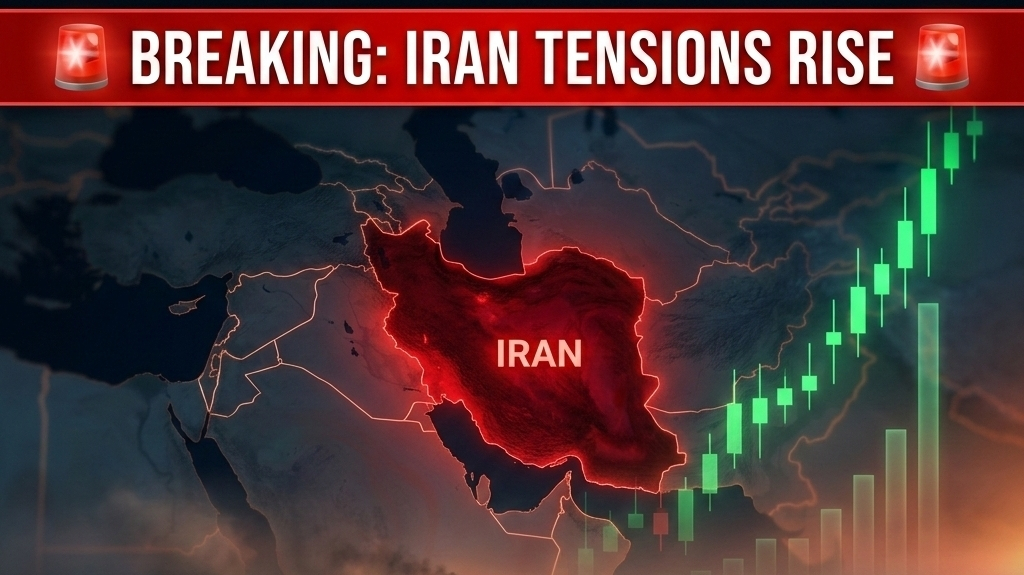
Napięcia związane z Iranem przeszły z regionalnej troski do głównego czynnika ryzyka na świecie, a rynki już uwzględniają wpływ.
Ostatnie strajki ze strony Stanów Zjednoczonych i Izraela, a następnie odwet Iranu, zakłóciły normalne przepływy przez jeden z najważniejszych korytarzy energetycznych na świecie, Cieśninę Hormuz – trasę odpowiedzialną za około 20% globalnego handlu ropą. �
Wikipedia
📈 Ceny energii reagują jako pierwsze
Bezpośredni wpływ na rynki energetyczne był natychmiastowy:
Futures na ropę naftową znacznie wzrosły, a główne wskaźniki, takie jak Brent i WTI, rosną, gdy handlowcy uwzględniają ryzyko i potencjalne zakłócenia w dostawach. �
Eghtesadafarin +1
Analitycy również omawiają budowanie premii ryzyka geopolitycznego w cenach ropy po raz pierwszy od lat, co oznacza, że ceny zmieniają się nie tylko w wyniku podaży i popytu, ale także z obawy przed dalszą eskalacją. �
MEXC
Jakiekolwiek realne zakłócenie eksportu przez Cieśninę mogłoby jeszcze bardziej podnieść ceny, dodając globalne ciśnienie inflacyjne.
🌍 Rynki globalne nie są odporne
To nie tylko kwestia energii:
Rynki akcji w regionie Zatoki doświadczyły ostrych strat, a główne indeksy w miejscach takich jak Dubaj spadły, ponieważ traderzy wyceniają ryzyko i niepewność. �
Business Standard
Wzrost cen ropy wpływa na oczekiwania inflacyjne, dotykając wszystko, od cen konsumpcyjnych po decyzje banków centralnych dotyczące stóp procentowych. �
Indie Briefing
Aktywa ucieczkowe, takie jak złoto i defensywne obligacje, często rosną, gdy ryzyko geopolityczne wzrasta, ponieważ inwestorzy szukają ochrony przed zmiennością.
📊 Efekty uboczne poza Bliskim Wschodem
Globalni inwestorzy obserwują uważnie, ponieważ konsekwencje zaostrzonego konfliktu w Iranie mogą sięgać znacznie poza region:
Wyższe ceny energii mogą oznaczać wolniejszy wzrost gospodarczy, zwłaszcza dla krajów silnie uzależnionych od importowanej ropy. �
Indie Briefing
Ciśnienia inflacyjne mogą skomplikować decyzje polityki monetarnej dla banków centralnych, które już balansują między wzrostem a stabilnością cen. �
Wikipedia
Kraje, które mocno polegają na energii z Zatoki, takie jak Indie i wiele w Azji Południowo-Wschodniej, mogą zobaczyć wpływ na bilanse handlowe i rynki walutowe, jeśli ceny pozostaną na wysokim poziomie. �
Indie Briefing
🧠 Co to oznacza dla inwestorów
W tej chwili rynki wyceniają ryzyko, a nie panikę. Ale kluczowe sygnały przyjdą z:
Jak długo napięcia będą się utrzymywać
Czy szlaki żeglugowe, takie jak Cieśnina Ormuz, pozostaną funkcjonalne
Jakikolwiek ruch w kierunku negocjacji lub eskalacji
W sytuacjach takich jak ta, zmienność najpierw wzrasta w energii i surowcach, a następnie rozprzestrzenia się na akcje i aktywa ryzykowne, takie jak rynki wschodzące i kryptowaluty.
Dla traderów i inwestorów zrozumienie makro związku między ryzykiem geopolitycznym a zachowaniem rynku jest kluczowe — to nie jest hałas, to ryzyko strukturalne odzwierciedlane w cenach.