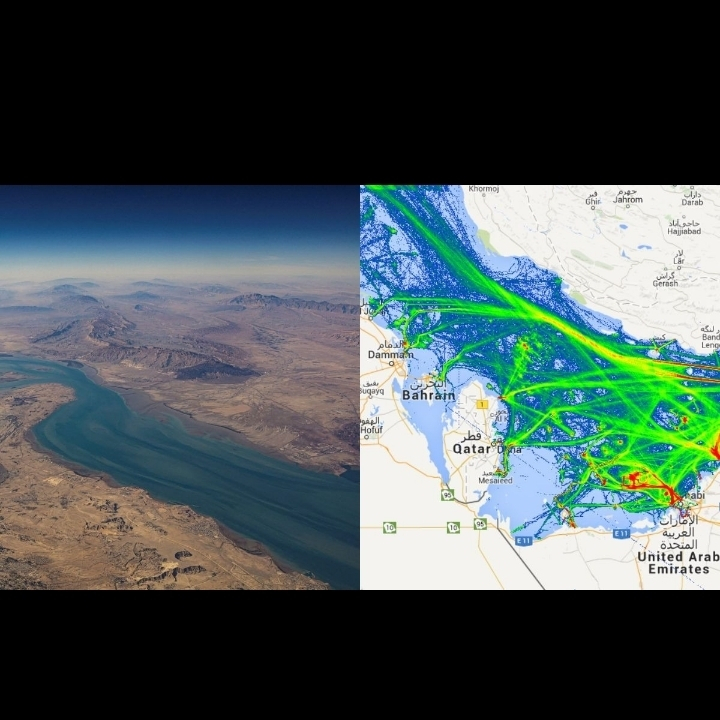
The global energy markets and international trade networks are facing a tectonic shift as the United States rolls out what many are calling a “Plan B” for the Strait of Hormuz — a contingency strategy to keep the world’s oil and gas flowing even as war tensions soar in the Persian Gulf.
Why the Strait of Hormuz Matters
The Strait of Hormuz — a narrow waterway between Oman and Iran — is the single most important chokepoint for global oil and gas shipments. Roughly 20% of the world’s crude and LNG exports pass through this narrow corridor. If traffic halts, global energy markets are thrown into chaos, with prices shooting upward and supply chains stretched to breaking point. �
Reuters
Recent military actions in the Middle East, including U.S. and Israeli strikes inside Iran, have heightened the risk that Tehran may leverage control of the strait as a strategic weapon, potentially forcing its closure or raising the cost of maritime passage. Iranian Revolutionary Guard officials have even claimed the strait is under their control, though U.S. commanders have sharply disputed that. �
mint +1
What Is “Plan B”?
At its core, the U.S. “Plan B” — unveiled in early March 2026 — is a dual military and economic strategy aimed at ensuring that oil and trade continue to transit the strait even if Tehran threatens to close or disrupt it:
1. U.S. Navy Tanker Escorts
President Donald Trump has ordered the U.S. Navy to prepare to escort commercial oil tankers and other vessels through the strait “if necessary.” This would mark one of the most aggressive naval interventions in the region in decades, signaling Washington’s willingness to protect global energy flows by putting warships directly in contested waters. �
The Times of India
Such escorts — similar in idea to historic operations in the Persian Gulf — would place U.S. warships at potential risk from Iranian missiles, drones, mines, and small attack craft. Critics argue they could escalate the conflict or draw the U.S. deeper into war. �
The Times
2. Political Risk Insurance
In an unprecedented move, the U.S. International Development Finance Corporation (DFC) will offer political risk insurance and financial guarantees to maritime companies operating in the Gulf region. The aim is to counter skyrocketing war‑risk insurance premiums that have caused many tanker operators to suspend voyages entirely. �
Shipping Telegraph
This insurance policy is designed to reassure shipping companies that they won’t face ruinous losses if their vessels are damaged or seized while moving through the region — effectively stabilizing a market that had almost frozen traffic altogether. �
Business Insider
Why This Changes the Game
A Hard Pivot From Diplomacy to Action
Previously, Washington’s strategy focused largely on sanctions, diplomatic isolation, and deterrence — hoping threats alone would keep the strait open. The new plan acknowledges that rhetoric isn’t enough when the actual flow of energy — and global economic stability — hangs in the balance.
By combining military protection with financial incentives, the United States is effectively offering a new security architecture for Gulf shipping.
Global Domino Effects
The implications of Plan B stretch far beyond the Middle East:
Energy Markets: Assured tanker movement could cap runaway oil price spikes that would otherwise ripple through global inflation and everyday fuel costs.
Regional Allies’ Calculations: Gulf states from Saudi Arabia to the UAE and Iraq are watching closely; many are caught between supporting Iranian neighbors and protecting their own economic interests.
Naval Dynamics: Escalating U.S. naval presence could draw responses from Iran, its proxies, or other major powers with interests in the region.
Critics and Risks
Not everyone is convinced this plan will work:
Some analysts argue that insurance and escorts alone won’t coax ships back into a genuine war zone. �
Reuters
Military observers warn that escorting tankers might draw U.S. warships into direct confrontation. �
The War Zone
Shipping firms are still calculating whether to resume routes even with U.S. guarantees.
A New Era for Maritime Security
Whether Plan B succeeds or not, it marks a strategic turning point:
The United States has signaled that in a world of tightening energy markets, it is willing to step into the breach militarily and financially to ensure the uninterrupted flow of goods and energy — effectively redrawing the rules of engagement around global chokepoints.
In a volatile era, this approach may become a template for how major powers protect international trade — not just in the Middle East, but across contested waters worldwide.