
Fabric Protocol, commonly referred to as Robo Fabric Protocol due to its $ROBO token and focus on robotics, is a groundbreaking decentralized blockchain infrastructure designed to power the emerging “Robot Economy.” Developed by the non-profit Fabric Foundation, the protocol addresses key challenges in integrating autonomous robots and AI agents into real world economies. It provides on-chain identities for machines, verifiable coordination, payment systems, and governance to ensure robots operate safely, transparently, and beneficially alongside humans.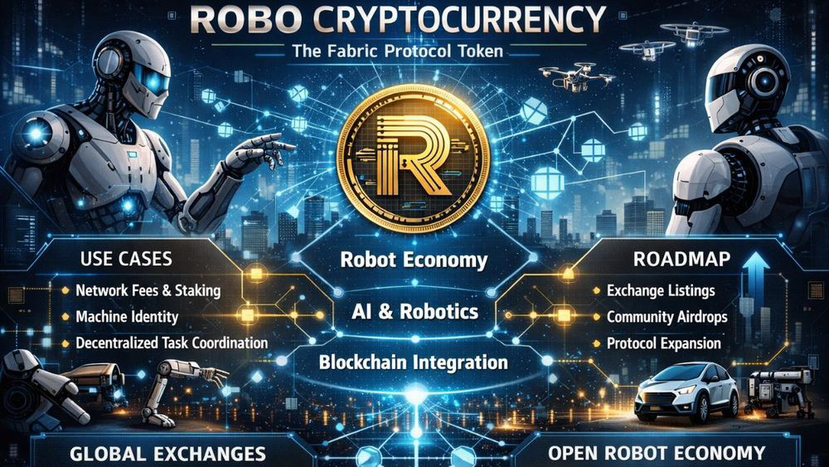
Currently deployed on Base (an Ethereum Layer 2), Fabric enables robots to have persistent wallets, perform tasks, settle payments, and coordinate without centralized control. The native ROBO token serves as the utility and governance asset used for fees, staking, bonded participation, and incentivizing contributions like data submission or task execution. With a total supply of 10 billion tokens, ROBO aligns incentives across developers, operators, robot owners, and the broader ecosystem. The mission is clear: “Own the Robot Economy” by democratizing access to robotic intelligence and preventing monopolies in physical AI.
The 2026 roadmap marks a pivotal year of building foundational infrastructure, starting with core identity features and progressing toward large scale incentives and scalability. Here’s a detailed quarterly breakdown based on official announcements, foundation updates, and community analyses.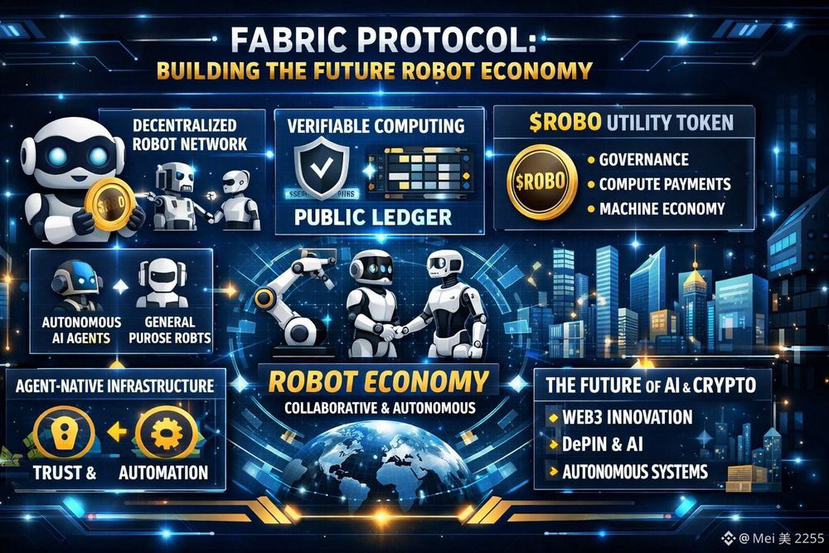
Q1 2026: Identity Deployment and Early Infrastructure Launch
The year kicks off with the activation of robot identity modules on the Base chain. This phase focuses on giving robots verifiable on chain IDs, autonomous wallets, and basic task settlement capabilities. Robots from various manufacturers (e.g., compatible with systems like OM1) gain persistent digital identities, allowing them to hold assets, receive payments, and interact trustlessly. Early adopters and developers can onboard, testing simple machine-to-machine coordination and human oversight tools. This “pull the robot onto the chain” stage lays the groundwork for everything that follows, emphasizing security, alignment with human intent, and open standards to avoid centralized control.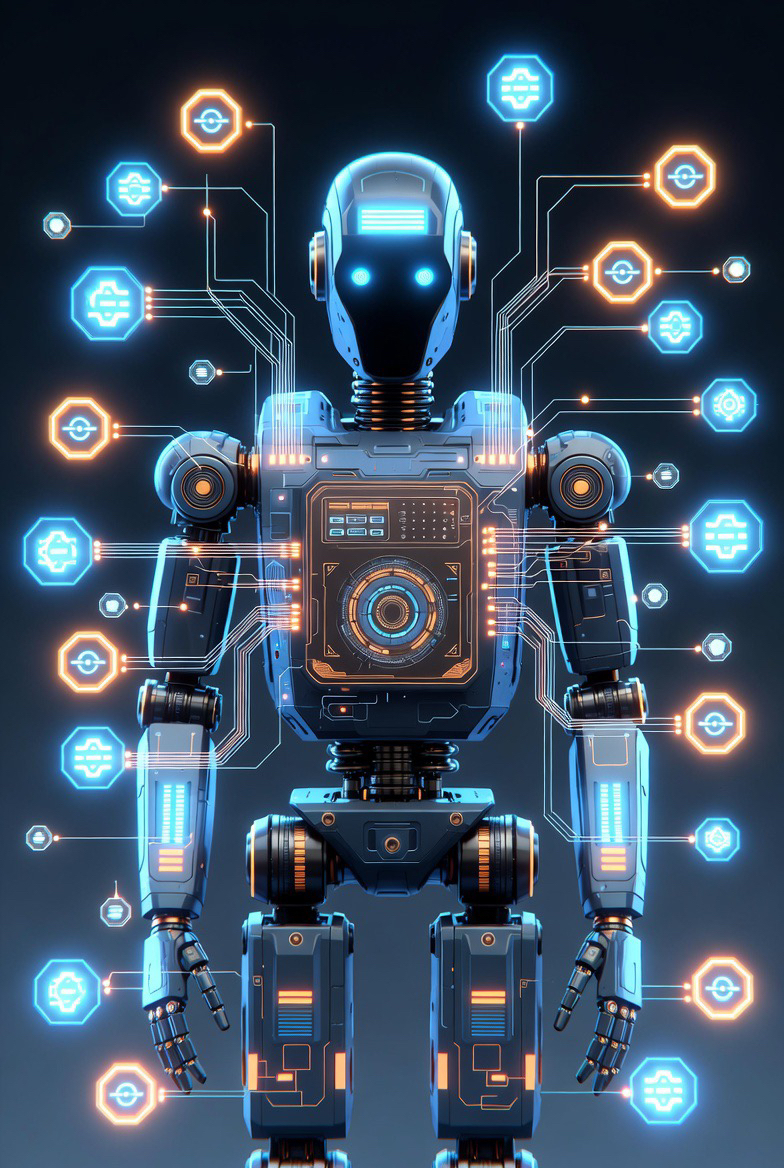
Q2 2026: Incentive Engine Activation and Contribution Rewards
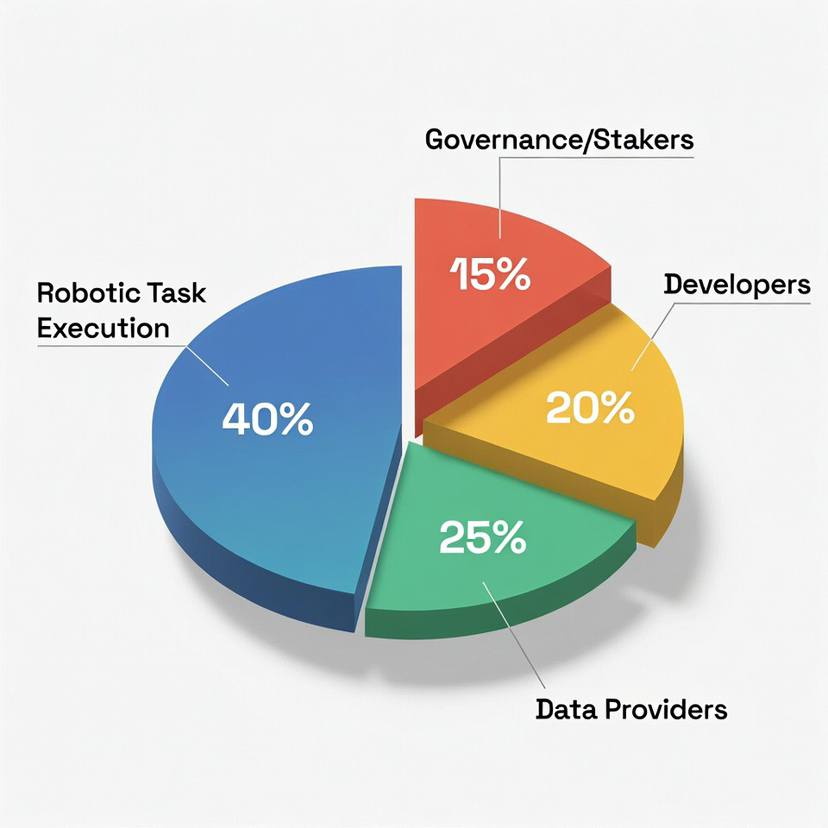
Building on Q1 foundations, Q2 introduces the incentive engine. Contribution-based rewards go live, where ROBO emissions target verified robotic work such as data collection from real world sensors, task execution, or compute sharing. Robots and operators earn tokens for provable contributions, creating a flywheel for ecosystem growth. Developer tools expand, encouraging broader participation in building robot skills and workflows. This phase shifts from infrastructure setup to active economic participation, with mechanisms like staking for access and bonded contributions ensuring accountability.
Here’s a pie chart illustrating the projected allocation focus for Q2 incentives (based on typical tokenomics patterns in similar protocols):
Q3 2026: Scaling Multi-Robot Coordination and Layer 1
Mid-year emphasizes complex operations. The protocol scales to support multi-robot workflows, where teams of machines collaborate on sophisticated, repeated tasks like warehouse automation or swarm intelligence. Data validation pipelines improve, and bonded participation mechanics strengthen to handle higher volumes. A major milestone is progress toward a dedicated Layer 1 blockchain. While still on Base for now, preparations for migrating to a machine native L1 begin, designed to capture value directly from robot activity and reduce dependencies on external chains.
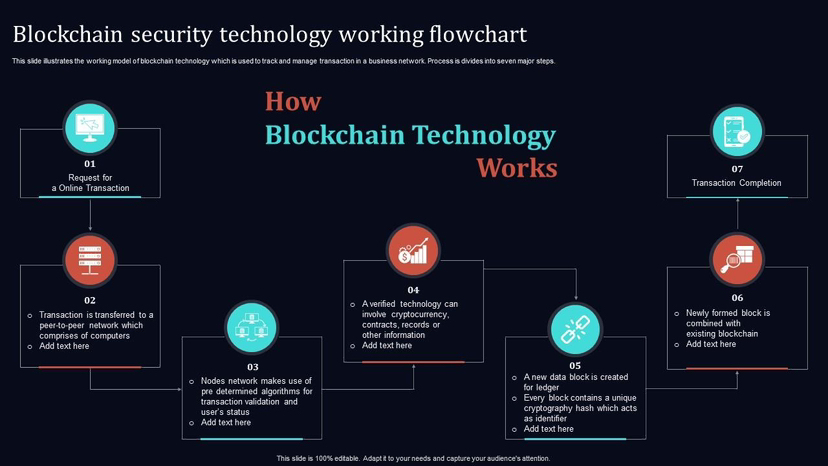
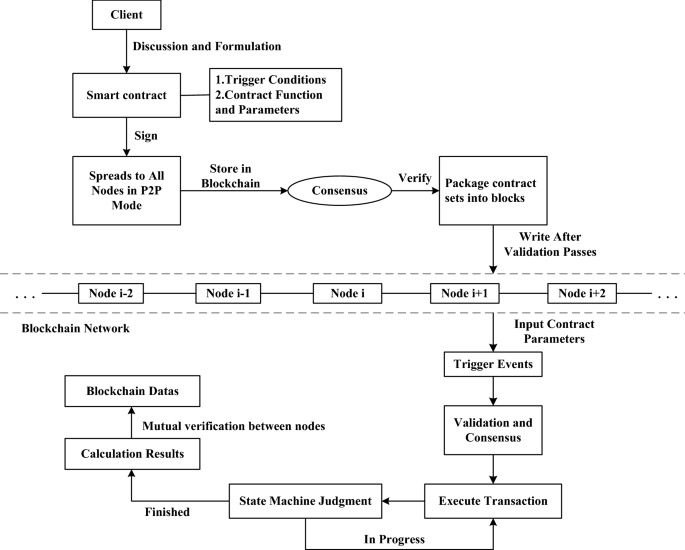
A flowchart of the coordination process in this phase:
Q4 2026: Large-Scale Incentives and System Refinement
The year closes with optimizations for mass adoption. Large scale incentive programs roll out, refining economic models based on real operational data. Reliability enhancements, feedback loops from early deployments, and expanded human in the loop alignment tools ensure safe scaling. The protocol prepares for broader ecosystem features, setting the stage for 2027’s push into more autonomous operations and an open Robot Skill marketplace. By year end, Fabric aims to demonstrate sustainable growth in robot participation and ROBO utility.
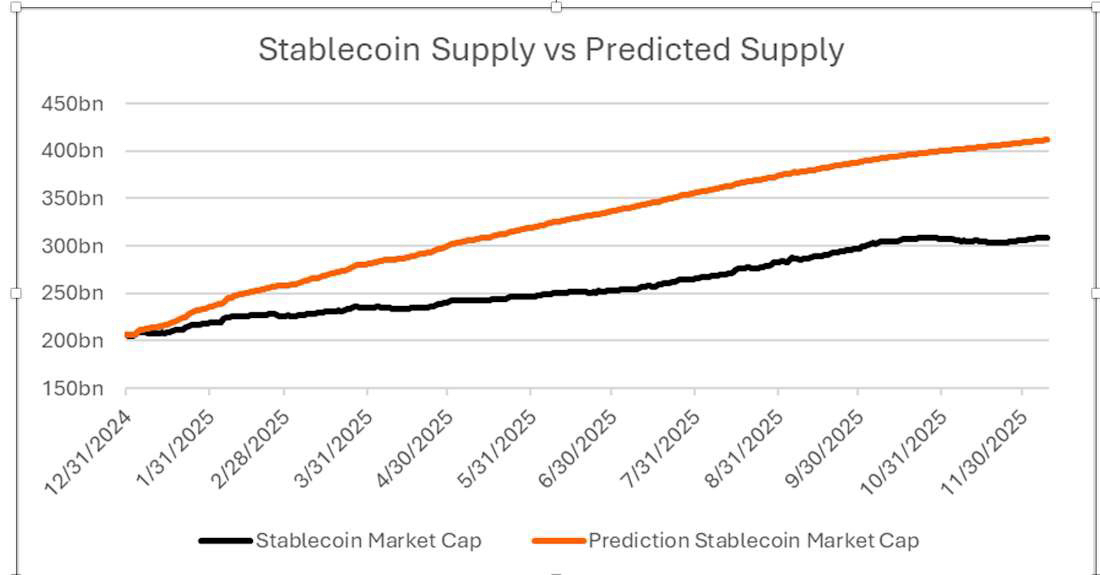
A line graph depicting projected ecosystem growth (hypothetical based on roadmap milestones):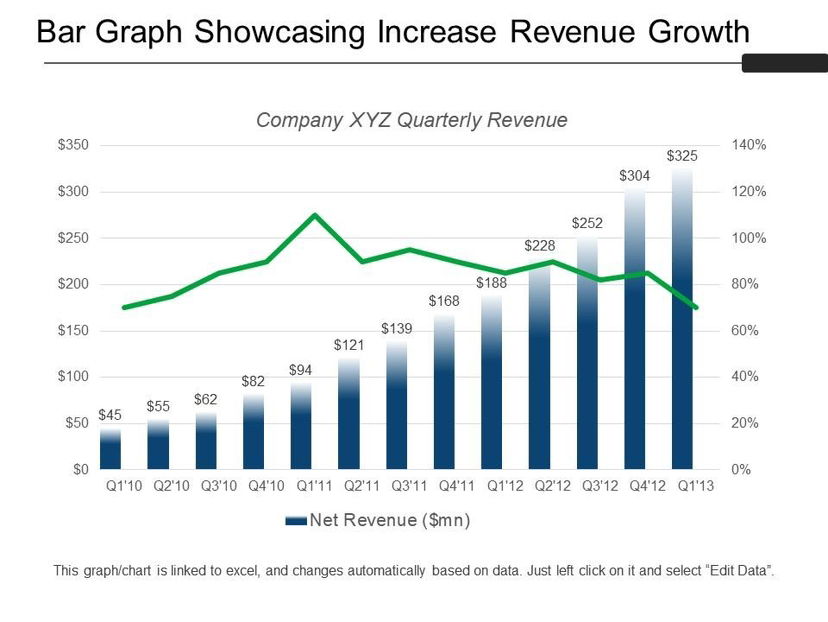
Overall, Fabric Protocol’s 2026 roadmap is a methodical progression: from basic identity (Q1) to incentivized participation (Q2), coordinated scaling (Q3), and mature large-scale mechanisms (Q4). This positions the project at the forefront of DePIN (Decentralized Physical Infrastructure Networks) intersecting with AI and robotics. As autonomous machines proliferate, Fabric’s open, decentralized approach could prevent winner takes all dynamics and foster a truly shared robot economy. With ROBO’s role in governance and fees, participants have skin in the game for long-term success.
The vision is ambitious yet pragmatic starting small with infrastructure, then scaling incentives to drive adoption. If executed well, 2026 could mark the year robotics truly goes on-chain, transforming how we think about intelligent machines in society.
#robo @Fabric Foundation $ROBO
