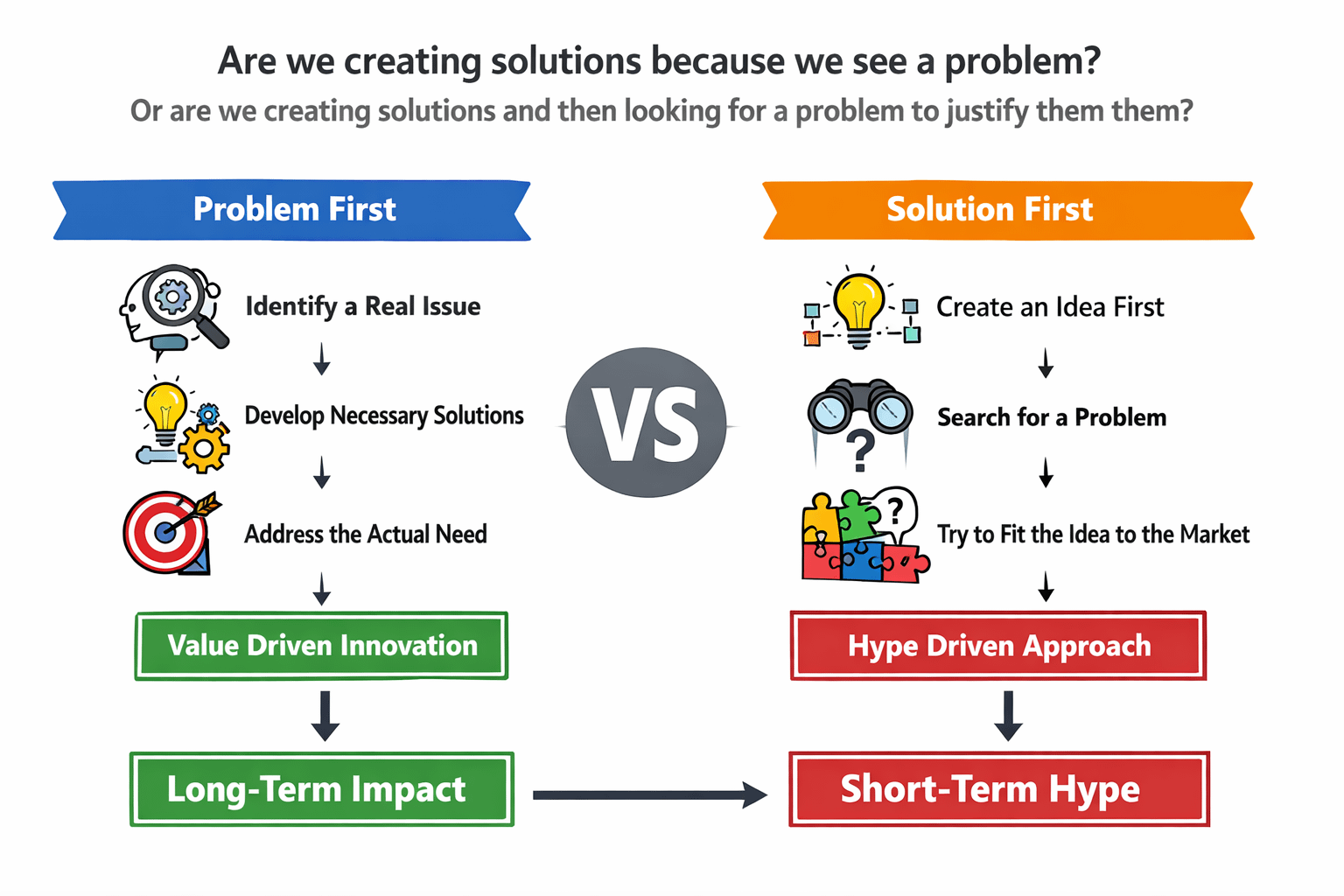
I have been involved in crypto for a years now. During this time I have seen many projects become very popular all of a sudden with everyone saying, "This is the future".Then just a few months later these same projects disappear quietly.This has made me more careful. Now I always look for a problem first and only then do I think about the solution.
When I think about the robotics industry I have the question. Do we really have a problem with robotics that requires a foundation to change the system of robotics? Are we making a deal out of a problem with robotics that is not really that important to the robotics industry?
What are the real challenges in robotics?
The first challenge in robotics is the cost of the hardware, for robots. It takes a lot of money to build these robots.
The second challenge is scaling. It is very hard to move from a prototype in a lab to using the robot in the world.
The third challenge is regulation and safety. In industrial and medical robotics there are many rules to follow and they are very strict.
The fourth challenge is. Using real-world data. Robots that use intelligence need a lot of high-quality data to work well.
So what is Fabric Foundation really trying to solve?
Let us say the idea is to manage the work of robots, data and incentives through a network that is not controlled by one person. This sounds like an interesting idea.In reality most robotics companies are still focused on making hardware.Their biggest problems are not about how to use blockchain technology. Rather about the cost of sensors, battery life, durability and gaining the trust of customers.
When I talk to engineers they rarely say, "Our biggest problem is decentralized governance." Instead they say, "We need performance, lower costs and reliability."So is Fabric Foundation adding a layer that the industry does not really need?
If we look at history we can see that sometimes technology comes before people realize they need it. Cloud computing is an example of this. It seemed unnecessary at first but later it became essential. However not all technologies follow this path. Some remain ideas without becoming really important.
One real problem in robotics is liability. If a robot makes a mistake who's responsible? Is it the manufacturer, the software developer or the person operating the robot? This is an growing concern. If Fabric Foundation can provide a way to keep track of what happens make records that cannot be changed and create a trail that shows who is responsible then it is solving a problem.
If the focus is only on incentives or ownership without solving the real problems in the industry then it may become a solution that is looking for a problem.
What I have learned over the years is simple: something is valuable because it is necessary not just because it is exciting.The robotics industry is still dealing with problems, like infrastructure and economics.If Fabric Foundation can work with these realities it may have a future.If not it may just remain an idea that may or may not be necessary.
In the end the question is simple:
Are we creating solutions because we see a problem?
Are we creating solutions and then looking for a problem to justify them?