
The rapid convergence of artificial intelligence and robotics presents humanity with an unprecedented challenge: how do we ensure that increasingly capable machines remain aligned with human interests rather than concentrating power in the hands of a few? The Fabric Protocol whitepaper, released in December 2025, offers a ambitious answer through a comprehensive decentralized infrastructure for building, governing, and evolving general-purpose robots.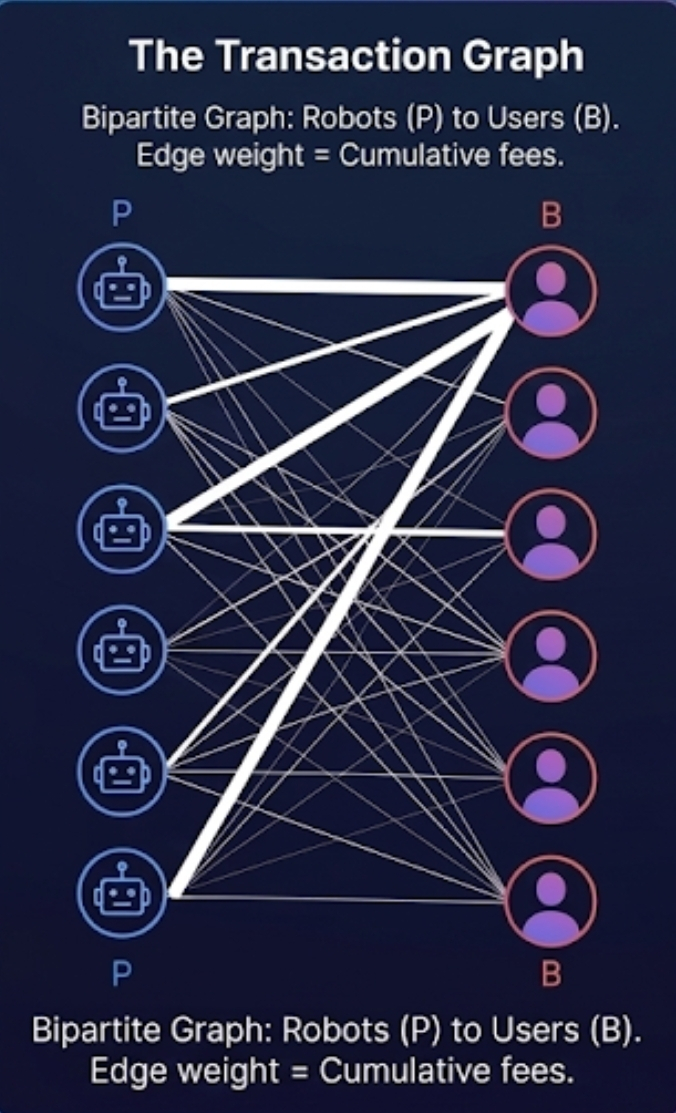
At its core, Fabric addresses what its authors call the "winner takes all" risk. Unlike humans who require thousands of hours of deliberate practice to master skills like electrical work or medicine, robots can share capabilities at the speed of light. Once one robot learns the California Electrical Code or acquires physical dexterity for surgery, it can instantaneously transmit that knowledge to thousands of others. This dynamic threatens to disrupt labor markets while concentrating economic control, a scenario the protocol seeks to mitigate through open, collective ownership.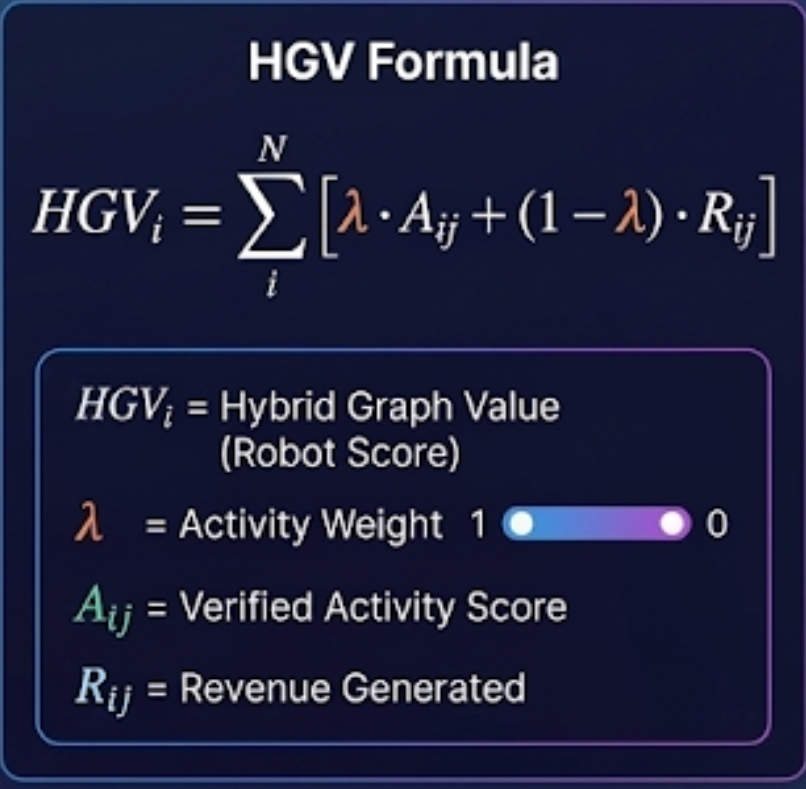
The protocol's architecture rests on three economic pillars. First, the Adaptive Emission Engine functions as an autonomous monetary policy, adjusting token emissions based on network utilization and service quality. During bootstrap phases, higher inflation attracts participants, while mature networks see reduced emissions as fee revenue grows. Second, structural demand mechanisms create token utility through operational requirements: robot operators stake \mathfrak{ROBO} tokens as performance bonds, users pay for services in the token, and holders can delegate to augment operator capacity. These mechanisms scale demand proportionally with real economic activity rather than speculation.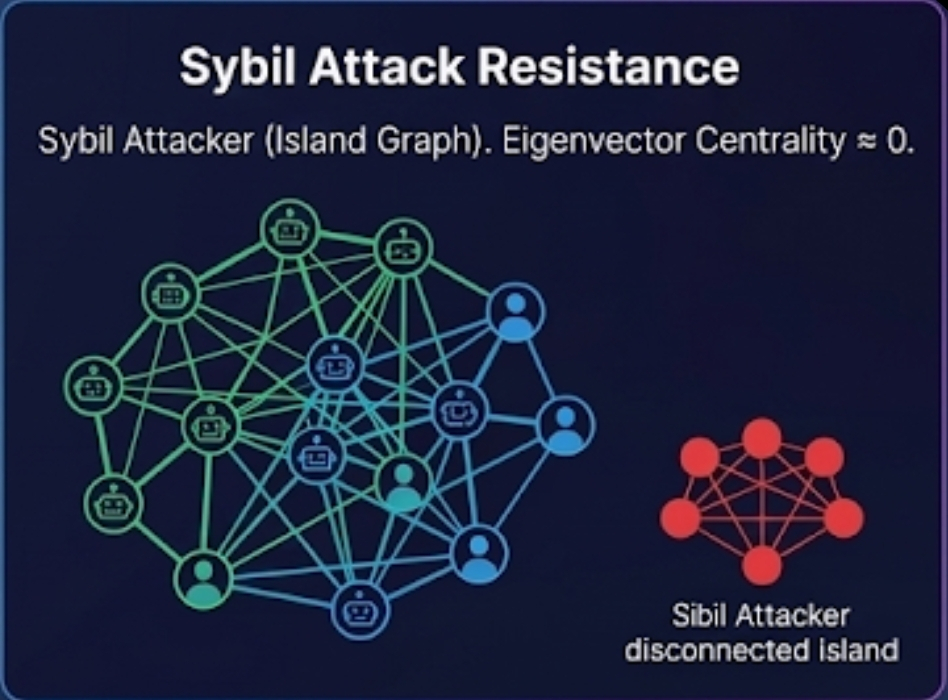
Third, the Evolutionary Reward Layer solves the cold-start problem through a hybrid graph-based system. During early stages when revenue is sparse, rewards prioritize activity and connectivity. As the network matures, weighting shifts toward revenue generation. The bipartite transaction graph connecting robots to users naturally resists Sybil attacks, as fraudulent operators creating fake transactions form disconnected "island graphs" with negligible centrality, making manipulation economically irrational.
The token itself, \mathfrak{ROBO}, is carefully structured to avoid security classification. It confers no ownership in any entity or asset, no profit-sharing rights, and no expectation of returns derived from others' efforts. Instead, it serves six operational functions: performance bonds, transaction settlement, delegation and reputation signaling, governance voting, crowdsourced robot genesis coordination, and rewards for verified contributions. Each function requires active participation—token holdings alone generate nothing.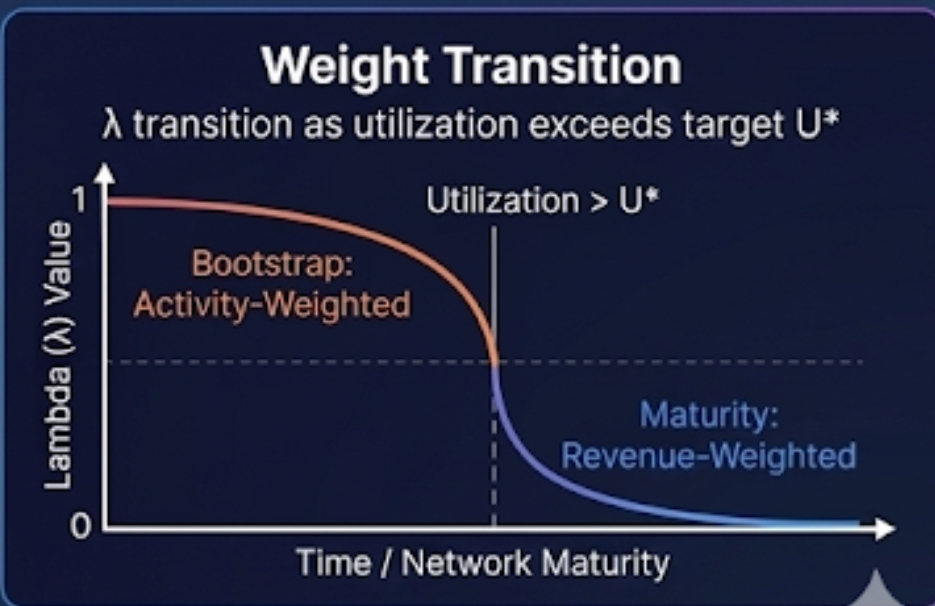
Perhaps most intriguing is the protocol's vision for human-machine collaboration. A "Global Robot Observatory" would enable humans worldwide to observe and critique machine behavior, providing feedback loops for safety. Skill chips, analogous to smartphone apps, allow developers to create and monetize specific capabilities that robots can install or remove as needed. Revenue sharing mechanisms ensure that humans who develop skills or provide training data receive ongoing compensation when their contributions generate value.
The roadmap envisions phased deployment beginning with EVM-compatible smart contracts in 2026, progressing toward a dedicated Layer 1 blockchain optimized for machine coordination. Throughout, the protocol emphasizes modularity and transparency, favoring composable AI stacks over monolithic black boxes to maintain human understanding and guardrail effectiveness.
Ultimately, the Fabric Protocol represents more than technical architecture—it embodies a philosophical position: that the coming age of intelligent machines need not replicate historical patterns of industrial consolidation. By turning robotics into shared public infrastructure, with intelligence and skills that are open, accountable, and collectively owned, Fabric offers a pathway toward material abundance where benefits distribute broadly rather than concentrating narrowly. Whether this ambitious vision can overcome technical challenges and regulatory hurdles remains uncertain, but the conversation it initiates about democratic control of transformative technology is undeniably timely and essential.