

Artificial intelligence is advancing at an incredible pace, but one major problem continues to limit its real-world adoption: trust. AI systems often produce incorrect information, biased results, or what researchers call “hallucinations.” These issues make it difficult to rely on AI for critical applications such as finance, healthcare, legal systems, and autonomous decision-making. This is the exact challenge that MIRA is trying to solve.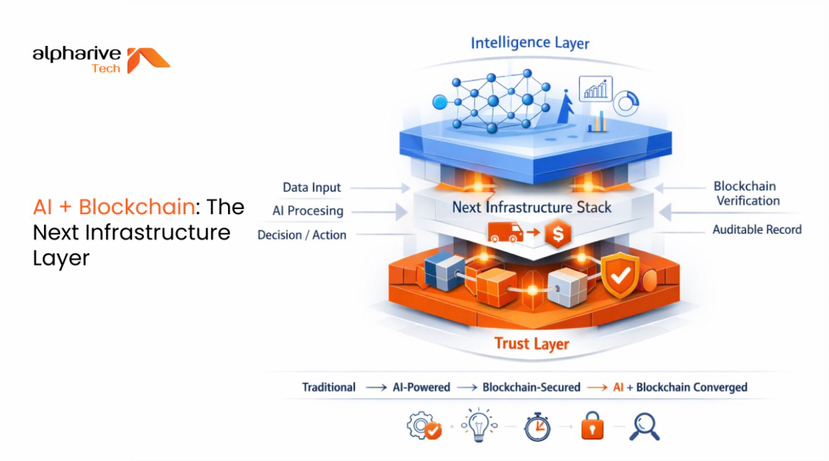
At its core, Mira Network is a decentralized infrastructure designed to verify the accuracy of AI outputs using blockchain technology. Instead of trusting a single AI model or centralized authority, Mira distributes the verification process across a network of validators and AI models. This collective verification system ensures that AI responses can be checked, validated, and proven before they are used in real-world systems.
The idea behind Mira is simple but powerful: if AI is going to power the next generation of applications, it must become provably reliable.
The Problem Mira Is Solving
Current AI models are incredibly capable but not always accurate. Even the most advanced models can generate confident answers that are factually incorrect. These mistakes may not be critical in casual applications, but they become extremely risky when AI is used in high-stakes industries.
Mira addresses this problem by turning AI outputs into verifiable claims that can be checked by multiple independent validators. Instead of relying on a single AI model’s response, the network breaks information into smaller pieces and verifies each claim through consensus across different models and participants.
This process creates a system where AI results are auditable, transparent, and trustworthy.
How Mira Network Works
The architecture of Mira combines blockchain security with AI verification mechanisms.
When an AI model produces an output, Mira converts that output into structured statements that can be evaluated individually. These claims are then distributed across a decentralized network of validators. Validators run different AI models and verification processes to determine whether each claim is accurate.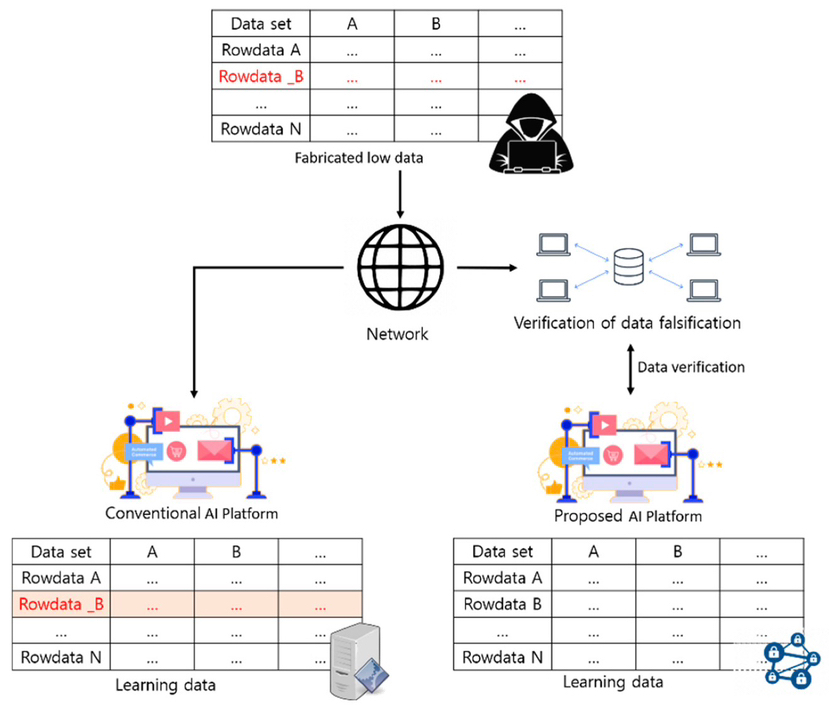
Once multiple validators confirm the result, the verified output is recorded on the blockchain, creating a transparent and tamper-resistant record. This system effectively acts as a decentralized audit layer for AI.
The network is powered by the MIRA token, which plays several critical roles within the ecosystem. It is used for staking, rewarding validators, accessing network services, and participating in governance decisions. By staking tokens, node operators are incentivized to provide honest verification while facing penalties for malicious behavior.
Why a Trust Layer for AI Matters
The concept of a “trust layer” is becoming increasingly important as AI systems become more autonomous. If AI agents begin managing financial transactions, executing smart contracts, or interacting with users without human supervision, the reliability of their decisions becomes essential.
Mira’s decentralized verification system creates the infrastructure needed for autonomous AI systems to operate safely. By verifying outputs through consensus, Mira reduces the risk of errors, manipulation, or biased responses.
This makes the technology particularly valuable for industries where mistakes are costly, including:
• DeFi and financial automation
• Healthcare diagnostics
• Legal research and compliance
• Autonomous AI agents
• Enterprise AI decision systems
In these environments, being able to prove that AI results are correct is just as important as generating the results themselves.
Ecosystem Growth and Adoption
Since its early development, Mira Network has rapidly built a growing ecosystem around AI verification. During testing phases, the platform reportedly attracted millions of users and processed millions of AI queries every week, demonstrating strong early demand for verifiable AI infrastructure.
The project has also moved toward full operational deployment with the launch of its mainnet, enabling users to stake tokens and participate directly in the verification network. This transition marks a key step in turning Mira’s concept into a functional decentralized infrastructure.
As AI continues to expand into Web3 applications, Mira aims to become a foundational layer for AI-native blockchain ecosystems.
@Mira - Trust Layer of AI #Mira $MIRA
