
ROBO has a weight to it that you notice the moment you touch it. I remember holding the comic in a corner of a friend’s cramped apartment, sunlight pooling awkwardly across the floor. The pages felt alive in my hands, not flashy, not loud, but deliberate, like someone whispering something important and waiting to see if you were listening.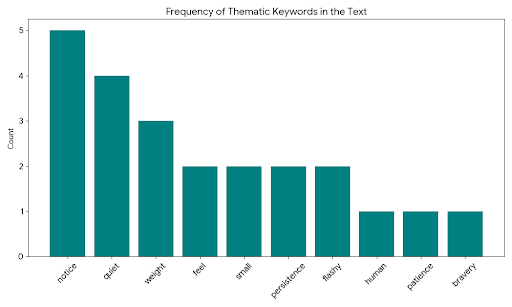
Charles Centon moves through his city like he’s carrying more than a suit of armor. He isn’t flashy or invincible. He lingers, hesitates, makes mistakes, and sometimes the world seems to reward his caution with nothing at all. I’ve known that feeling — trying to do the right thing when the people around you barely notice, when everything in the room is indifferent to your effort. That quiet, stubborn persistence is what makes him, and the story, feel human.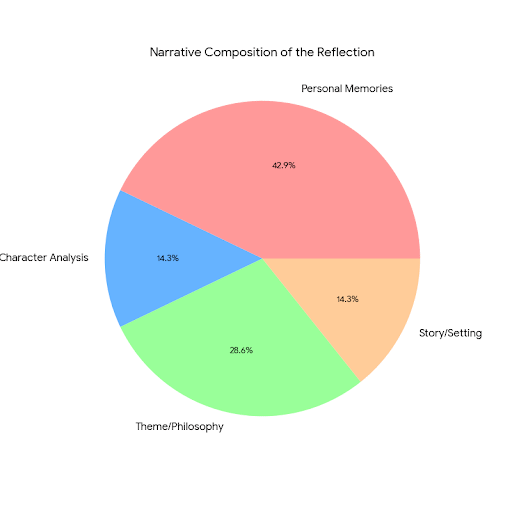
I remember a dusty summer with my friend Laila, crouched in a garage with oil-stained hands fixing her motorbike. A stranger wandered in, drawn by the sound of our laughter, and by the time we sipped tea on the porch, the three of us felt tethered by something invisible. The memory flickers back whenever I read ROBO, because heroism is often quiet. It isn’t in triumphs or headlines; it’s in showing up, even when no one sees, even when it feels pointless.
The city in ROBO is heavy. People move past suffering as if kindness has become a liability. Charles acts anyway. He rescues a child, offers an apology that costs him, makes choices that ripple without notice. It’s the kind of bravery that doesn’t get cheered, the kind that lingers in small moments long after the panels close.
I once waited in a hospital corridor at 3 a.m. with my sister. Time stretched, dull and gray. A man in a faded jacket sat beside us. We barely spoke. We barely glanced. And yet, in that shared exhaustion, I felt the same thing ROBO asks of us: that quiet attention, small gestures of presence, can carry more weight than we ever notice.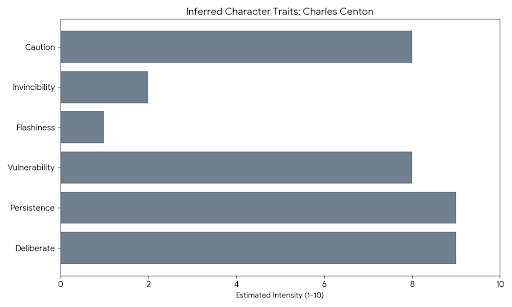
The story hasn’t proven itself yet, and maybe it doesn’t have to. Its power is in its patience, in its insistence that empathy and persistence are worth carrying, even when the world offers no applause. Reading it, you realize that the project asks something simple but rare: to notice, to feel, and to hold the quiet weight of a story that has only begun to unfold.