
The digital asset market has spent years optimizing pure software, shifting value between algorithms. But a tectonic shift is underway. The defining narrative of the next market cycle will be the intersection of blockchain and the physical world, and the Fabric Protocol, stewarded by the mission-driven @Fabric Foundation , is constructing the essential blueprint for this merger. At the core of this robotic economy lies its native utility asset: $ROBO
While speculative buzz often centers on pure-play AI agents, the truly explosive growth lies in giving these agents physical agency—turning them into productive, general-purpose robotic units. To achieve this safely and efficiently, we must move past legacy, centralized operating models. The Fabric Protocol offers that alternative.
1. The Global Collaborative BluePrint
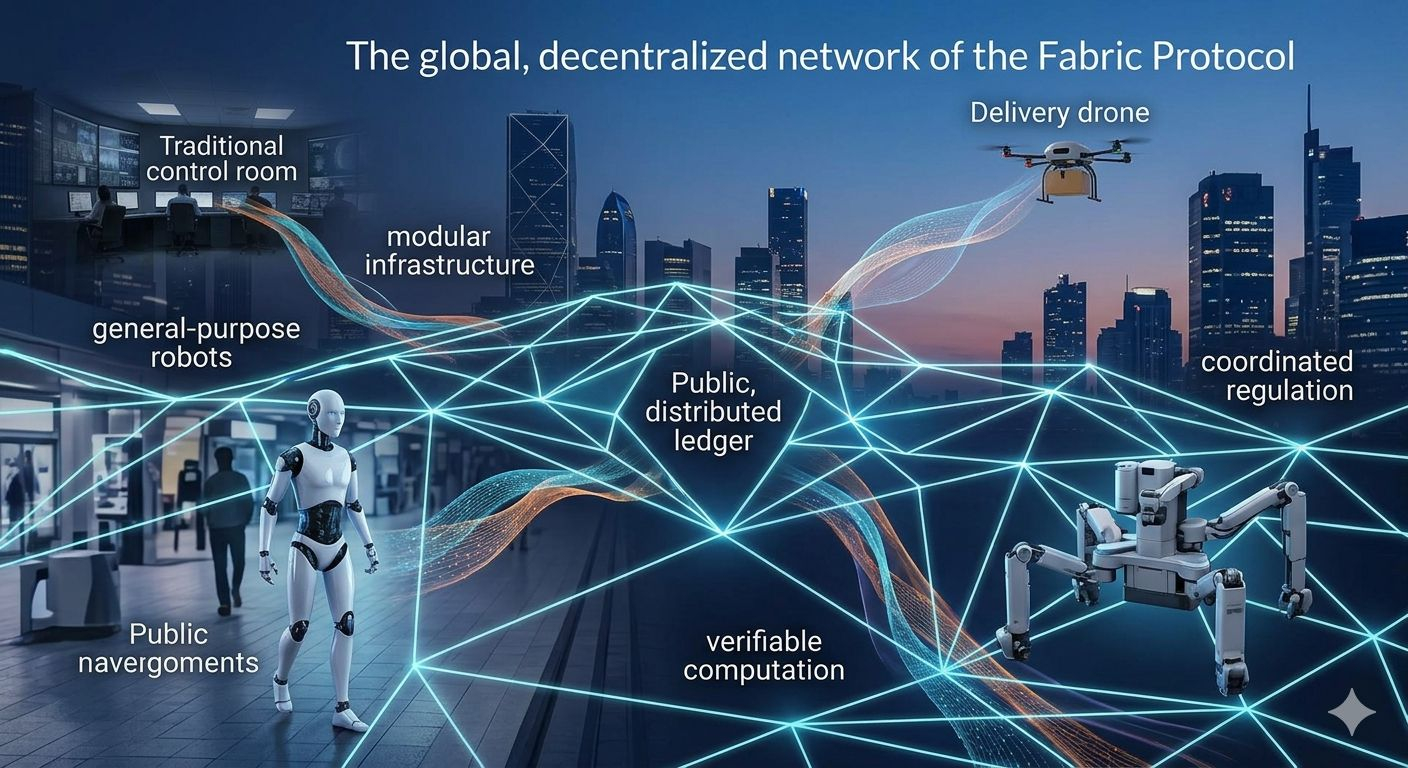
We cannot scale an autonomous future using proprietary, "undecipherable AI" systems. If robots are to integrate into society, their actions must be computationally validated, not just trusted. The Fabric Protocol establishes a global, open-standard network where the complex dance of data coordination, intensive computation, and decentralized regulation occurs on a public ledger.
By utilizing a modular architecture, @FabricFND allows for the "collaborative evolution" of robotic intelligence. Imagine a scenario where a discovery made by a search-and-rescue quadrupeding drone in one environment immediately optimizes the navigation algorithms of logistics humanoids across the globe. This isn't theoretical; it is the core function of the network, ensuring safety and efficiency scale together.
This structure allows different machines—from flexible humanoid assistants to complex industrial arms—to interact within a shared, mathematically secured framework. The protocol coordinates their interactions, creating a safe foundation for true human-machine collaboration.
2. Decoding the "Machine-Native" Ecosystem: Validated Truth Over Trust
The most critical differentiator of the Fabric network is its foundational design for autonomous "machine actors" rather than human operators. The user prompt asked us to examine how this "agent-native" infrastructure works. It operates by replacing human-centric opacity with verifiable cryptographic truth.
The Cryptographically Verified Workflow
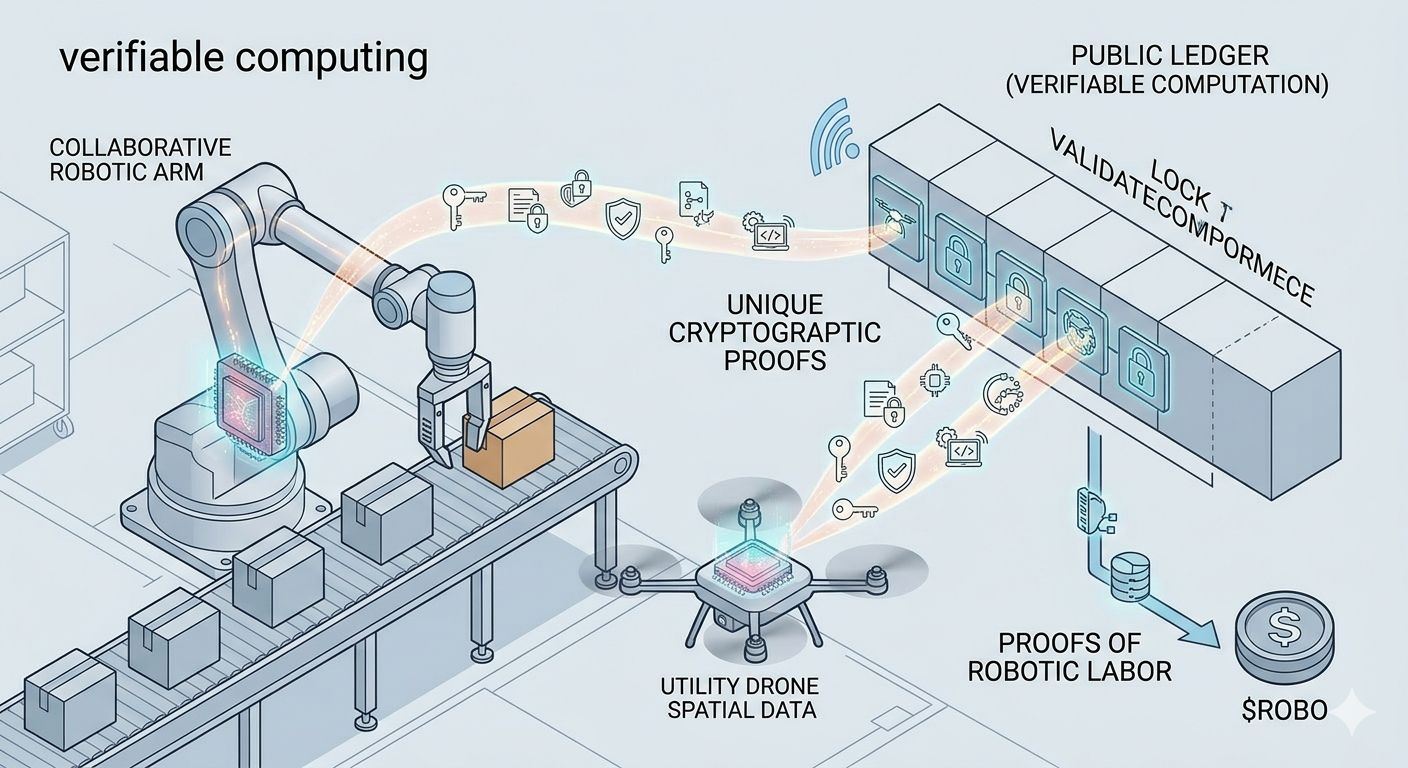
Traditional robotics relies on "black box" logic; we execute code and trust the outcome. In the Fabric ecosystem, FabricFND establishes a framework where every robot generates computationally validated proofs of its actions. This is how the infrastructure functions on a technical level:
Unique Cryptographic Identity: Every robot on the network possesses an immutable on-chain ID, giving it true financial agency. It does not need a human middleman; the machine is the economic actor.
Verifiable Execution: When a robot commits to a task (e.g., sorting medicine in a hospital), it generates a cryptographic proof—a unique mathematical receipt—confirming it followed the precise, validated logic, adheres to regulatory guardrails, and utilized the correct data. This receipt is cryptographically sealed.
Proof of Effort (PoE): The network utilizes a consensus mechanism called Proof of Robotic Work (PoRW) or Proof of Effort. Robots submit their validated work proofs to the ledger. This isn't just a record of a transaction; it's the verified computation of physical labor.
ROBO as the Network Fuel: To submit these proofs and access shared network intelligence, the robotic units require #ROBO . The token is the friction-reducing medium of exchange within this entire machine economy.
3. $ROBO Token Market Update: Fundamental Strength in Action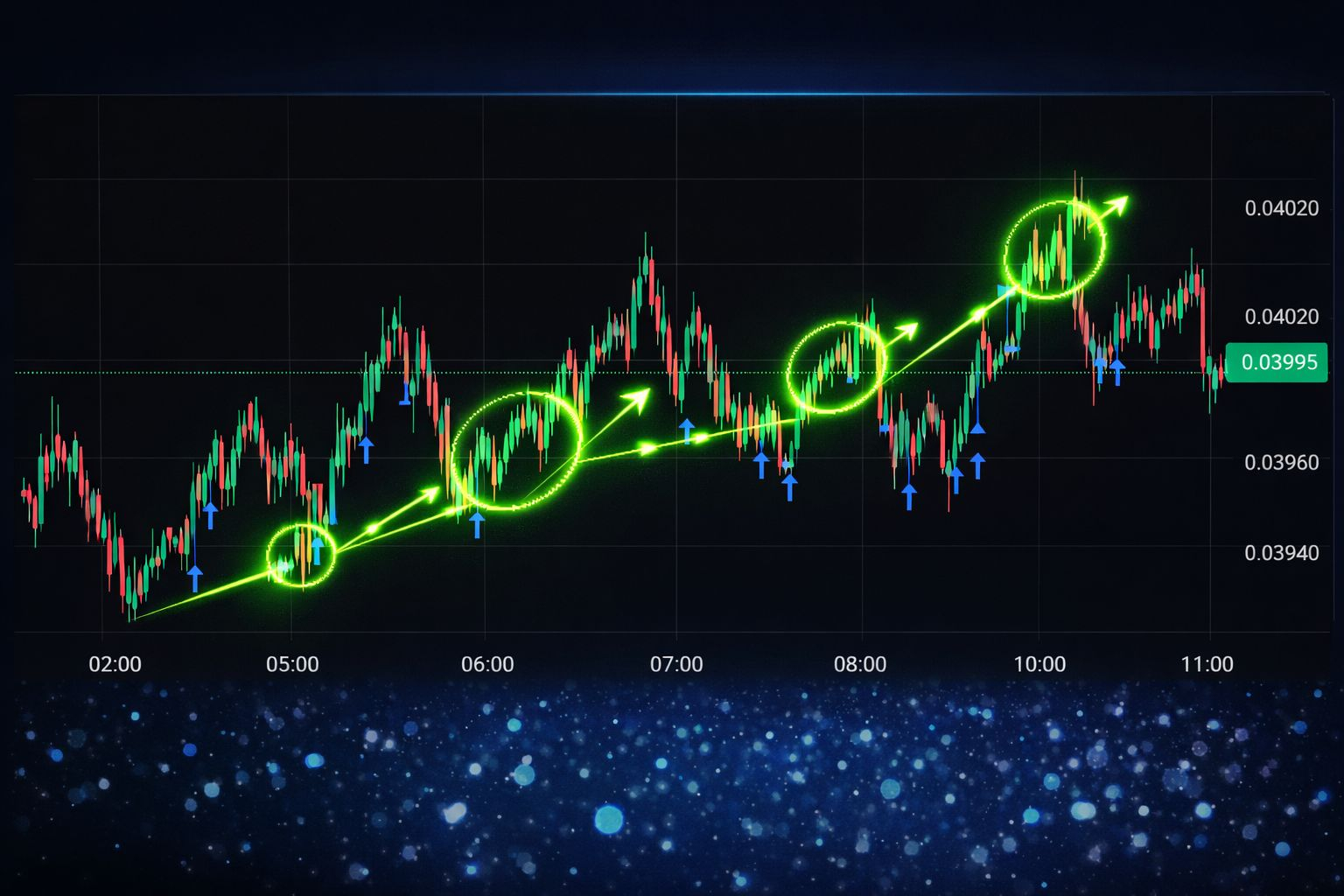
When analyzing a utility token like ROBO, it is crucial to separate short-term price action from the long-term trend lines of adoption. While the recent trading history shows the expected short-term fluctuations typical of an emerging sector, the underlying metrics tell a story of resilience and increasing engagement.
Active Participation and Liquidity
The charts continue to highlight active buy and sell signals, confirming that #Robo maintains strong liquidity and robust trader interest. This consistent market depth is a critical sign of a mature, functioning asset that experienced market participants can rely on for efficient entry and exit. Short-term volatility is often a prerequisite for strong price discovery.
Analyzing the Fundamental Pull
Unlike purely speculative digital assets, the value of $ROBO is inherently linked to the health and growth of the physical robotic network.
Network Fees: The core function of ROBO is to fuel computationally validated trust. Robots must use ROBO to submit their proofs of labor and access the shared skill marketplace.
Staking for Identity: Operational units and developers must stake ROBO to secure their on-chain identity and access the agent-native infrastructure. This creates a powerful "sink mechanism" that locks up supply as the network grows.
This direct link to physical productivity is why ROBO remains a favorite among value-oriented analysts. The market is increasingly recognizing that @Fabric Foundation is not building another layer-1, but a fundamental protocol for the next industrial revolution.
✨ Key Takeaways for Analysts:
Resilience Beyond Dips: Recent price retracements often follow healthy market cycles and set up new entry opportunities for high-conviction holds. The charts show $ROBO bouncing quickly off key support levels.
Fabric Foundation Stewardship: Having a dedicated non-profit foundation (FabricFND) provides institutional-grade confidence and ensures a long-term development roadmap focused on sustainability, not hype.
Agent-Native Narrative Lead: The trend toward on-chain machine economy is just beginning. By pioneering "agent-native" infrastructure, ROBO is first to market in a multi-trillion dollar narrative.
In summary, while the chart will always show short-term volatility, the broader outlook for ROBO is overwhelmingly positive. Backed by the innovative work of the Fabric Foundation and building the essential architecture for verified robotic labor, #ROBO # is far more than a digital asset—it is the economic substrate of the future.