

Robots are leaving the lab. Quietly. One sensor, one actuator at a time.
For decades, machines were isolated creatures—boxed inside factories, sealed inside research facilities, obedient to the narrow worlds engineers built for them. Now something stranger is happening. A new class of infrastructure is emerging that treats robots less like appliances and more like citizens in a shared digital ecosystem.
 That’s the wager behind Fabric Protocol.
At first glance, it looks like another blockchain experiment. Another public ledger. Another attempt to stitch machines and software into some global coordination layer. But the ambition here is different. Fabric isn’t just tracking money or digital assets. It’s trying to track machines that move in the real world.
Think of it less like a database and more like a neighborhood watch log for robots.
Every robot action—data, computation, decisions—gets written somewhere visible. Verifiable. Traceable. A shared record of what happened and why. When a robot learns something new or executes a task, the event doesn’t vanish into proprietary servers. It leaves a footprint.
That footprint matters.
Because once robots start operating outside controlled environments—delivery bots weaving through city sidewalks, warehouse arms negotiating shared tasks, autonomous agents coordinating supply chains—the biggest bottleneck isn’t hardware. It’s trust. Who trained the system? What data did it learn from? Who’s responsible when things go sideways?
Fabric’s answer is radical in its simplicity: put the coordination layer in public view.
The protocol acts like an operating system for machine collaboration. Data flows in. Computation happens. Governance rules sit on top like traffic laws. Everything gets anchored to a ledger that anyone can audit.
Messy? Absolutely.
But the alternative is worseclosed ecosystems where robot intelligence grows in silos owned by a handful of companies. Imagine if every road on Earth belonged to a different car manufacturer. Chaos.
Fabric tries the opposite approach: shared roads, shared rules, shared logs.
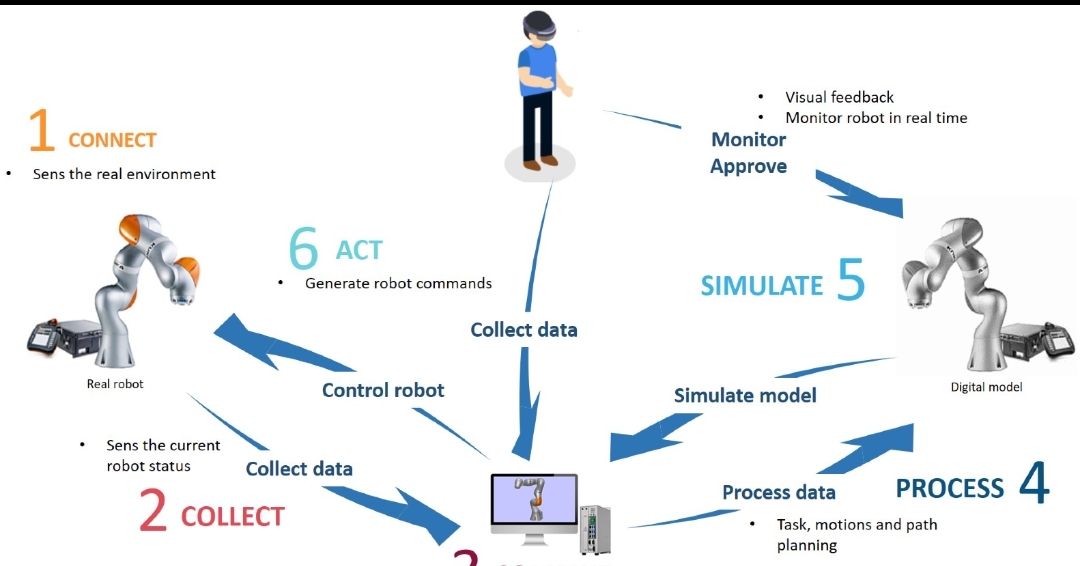
Under the hood, the architecture is modular. Pieces snap together—data pipelines, compute layers, regulatory frameworks. Developers can plug robots, AI agents, or simulation systems into the network and let them interact through a common protocol. It’s infrastructure built for machine societies, not individual robots.
Which raises the uncomfortable question.
If robots can coordinate, learn, and evolve through open infrastructure… who actually controls them?
The Fabric Foundation, a non-profit steward, sits at the center for now. It maintains the protocol, nudges governance, and keeps the rails stable. But the long-term idea isn’t central authority. It’s distributed stewardship—developers, operators, regulators, and machines themselves participating in the system’s evolution.
That’s where things start to feel less like software engineering and more like urban planning for a robotic civilization.
Picture fleets of machines negotiating shared tasks. Robots contributing data to improve collective intelligence. Autonomous agents verifying each other’s work the way accountants audit books. A ledger quietly recording the history of machine behavior.
A memory for machines.
And memory changes everything.
Because once machines can share verifiable knowledge at global scale, robotics stops being a hardware problem. It becomes a coordination problem.
The real story here isn’t robots getting smarter.
It’s robots starting to organize.
@Fabric Foundation #ROBO $ROBO
