
Building the On-Chain Infrastructure for the Future of Automation
The physical world is converging on a pivotal triple inflection point. Advanced Artificial Intelligence systems can now robustly navigate dynamic environments. Hardware costs are dropping rapidly, facilitating mass deployment. Simultaneously, chronic labor shortages are intensifying across global sectors including nursing, manufacturing, and logistics. This synergy signals the dawn of a transformative era in automation.
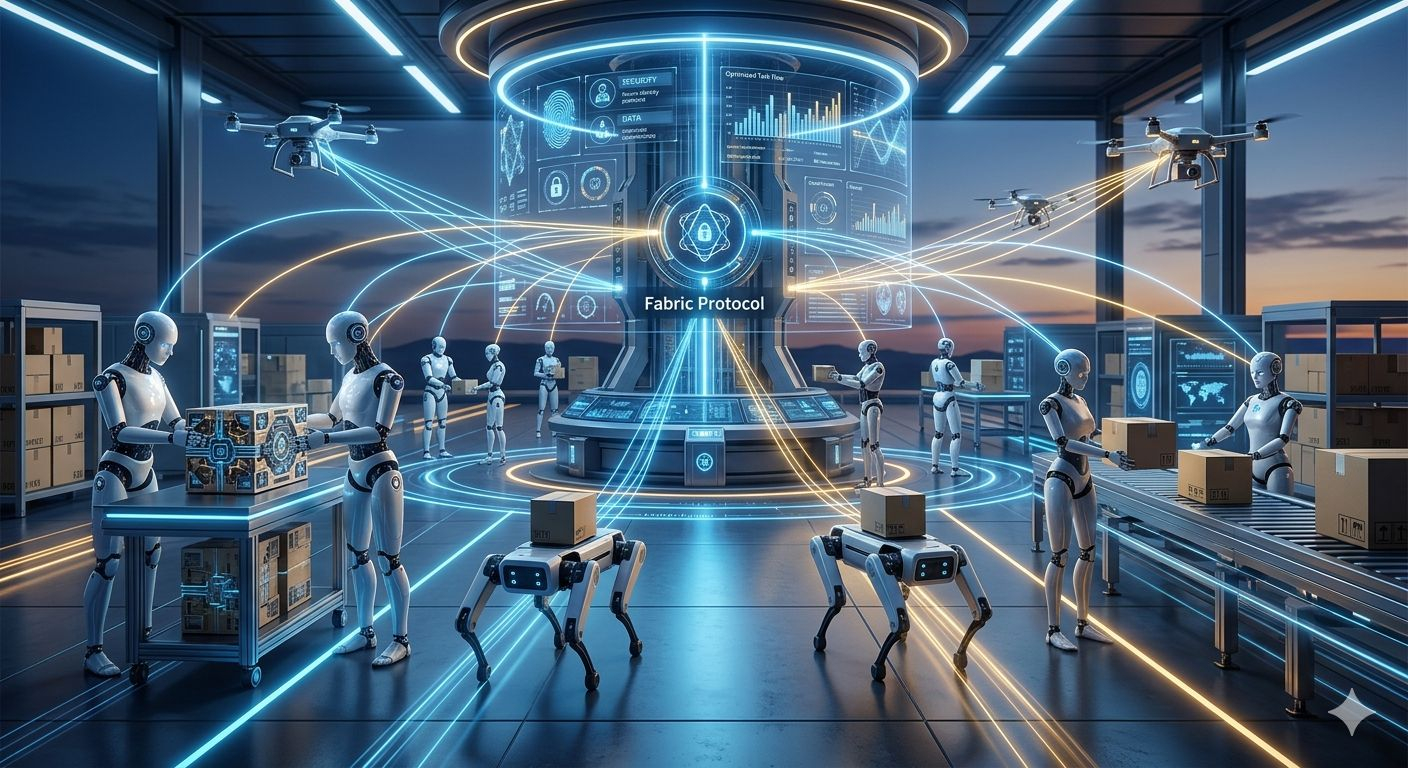
Yet, a fundamental bottleneck persists. The constraint is not the robot itself; it is the entire infrastructure required for its operation and collaboration. This is where the Fabric Protocol (@FabricFND) steps in, providing the necessary foundation for this unfolding industrial revolution, powered by its native utility and governance token, $ROBO
I. The Coordination Layer for the Machine Economy
Historically, robot fleets have operated in closed loops and proprietary silos. A single operator designs the hardware, develops the internal software, manages logistics, signs bilateral contracts, and handles internal payment settlement. This model is highly inefficient; every fleet is forced to reinvent software, and participation is strictly limited to large, well-capitalized institutions. Furthermore, the robots themselves remain economically inert—capable of precise physical execution but unable to independently verify their identity, receive payments, or sign contracts.
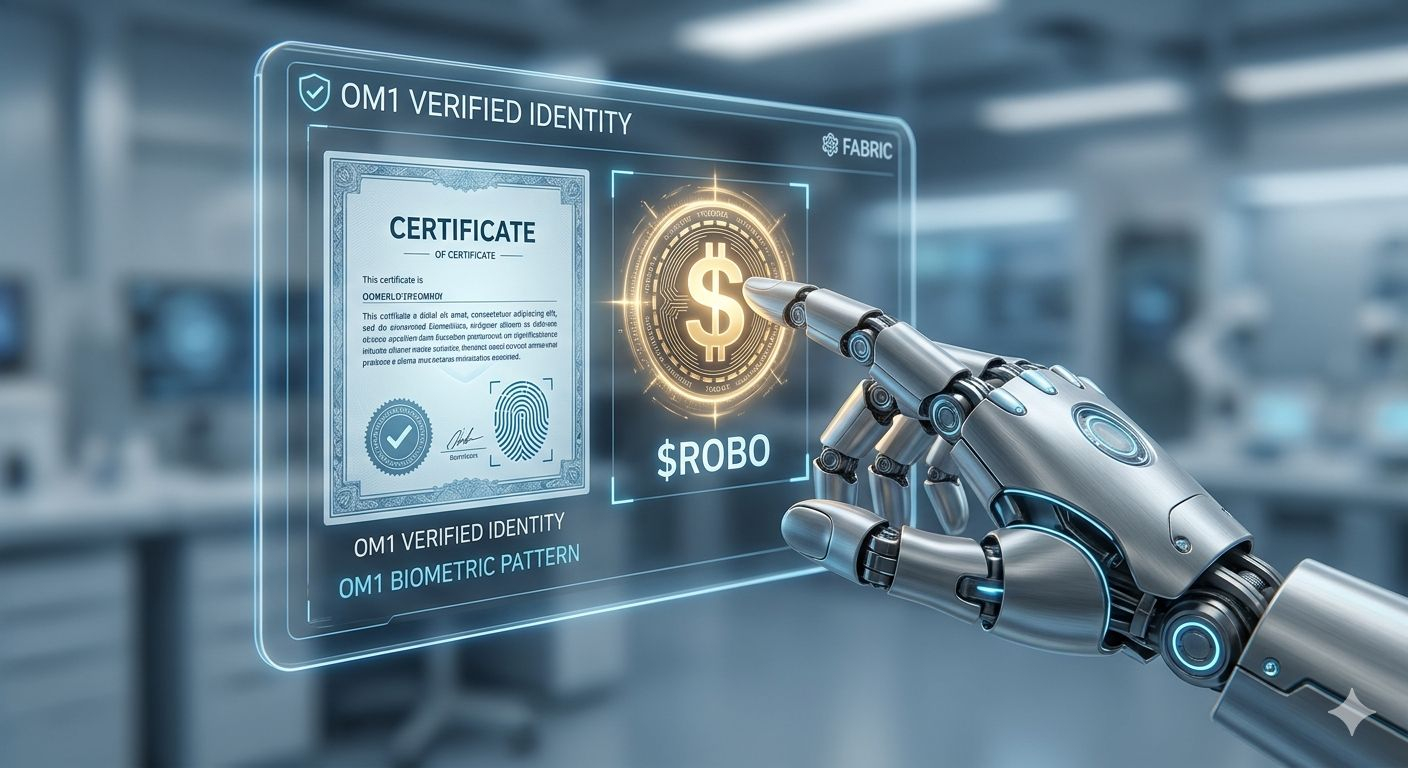
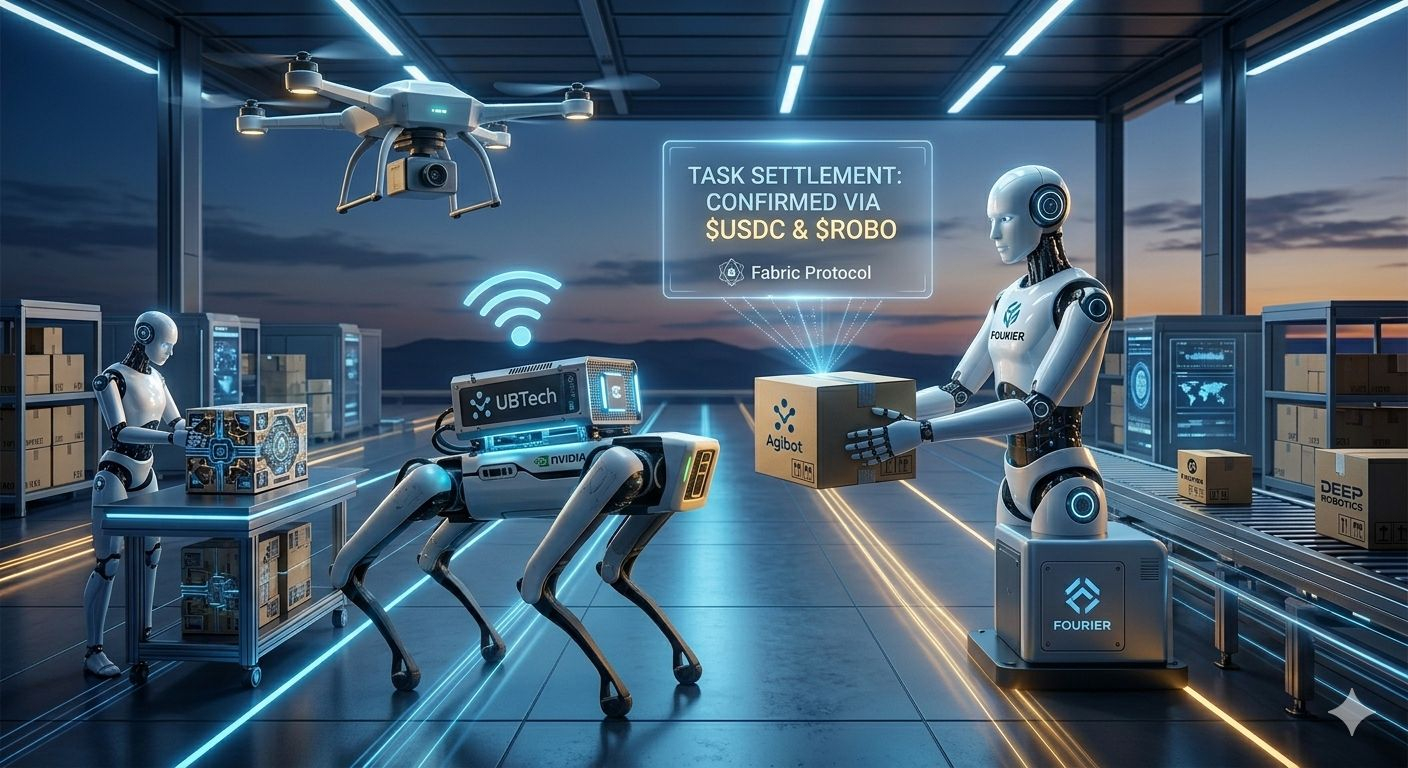
Fabric is actively developing the essential payment, identity, and capital allocation network required for robots to transcend being siloed tools. Their vision is to elevate machines into first-class autonomous economic participants. This architecture integrates two key systems developed by OpenMind technology: OM1, an open-source, hardware-agnostic AI operating system, and FABRIC, a decentralized coordination protocol. Together, they establish a unified, permissionless framework where devices from different manufacturers can communicate, share context, and settle transactions securely on a public ledger.
II. Staking, Identity, and Proof of Robotic Work
The engine driving this decentralized coordination is $ROBO, the protocol's core utility and governance token. It serves as the native currency for the entire ecosystem. Developers, operators, and original equipment manufacturers (OEMs) stake #ROBO to gain access to the network and ensure its security. Participation in governance, from prioritizing upgrades to structuring the Robot App Store, is determined by ROBO holding.
Central to this ecosystem is the Proof of Robotic Work mechanism. This is not passive staking; it is a system that rewards participants for verifiable contributions to the network. Nodes—whether operators or the robots themselves—earn rewards by submitting data, executing assigned tasks, and coordinating complex hardware interactions. This ensures that participation is intrinsically tied to actual protocol utility, creating a robust and functional economy based on verifiable machine labor.


III. The Roadmap: Hardening the Foundation through Deployment
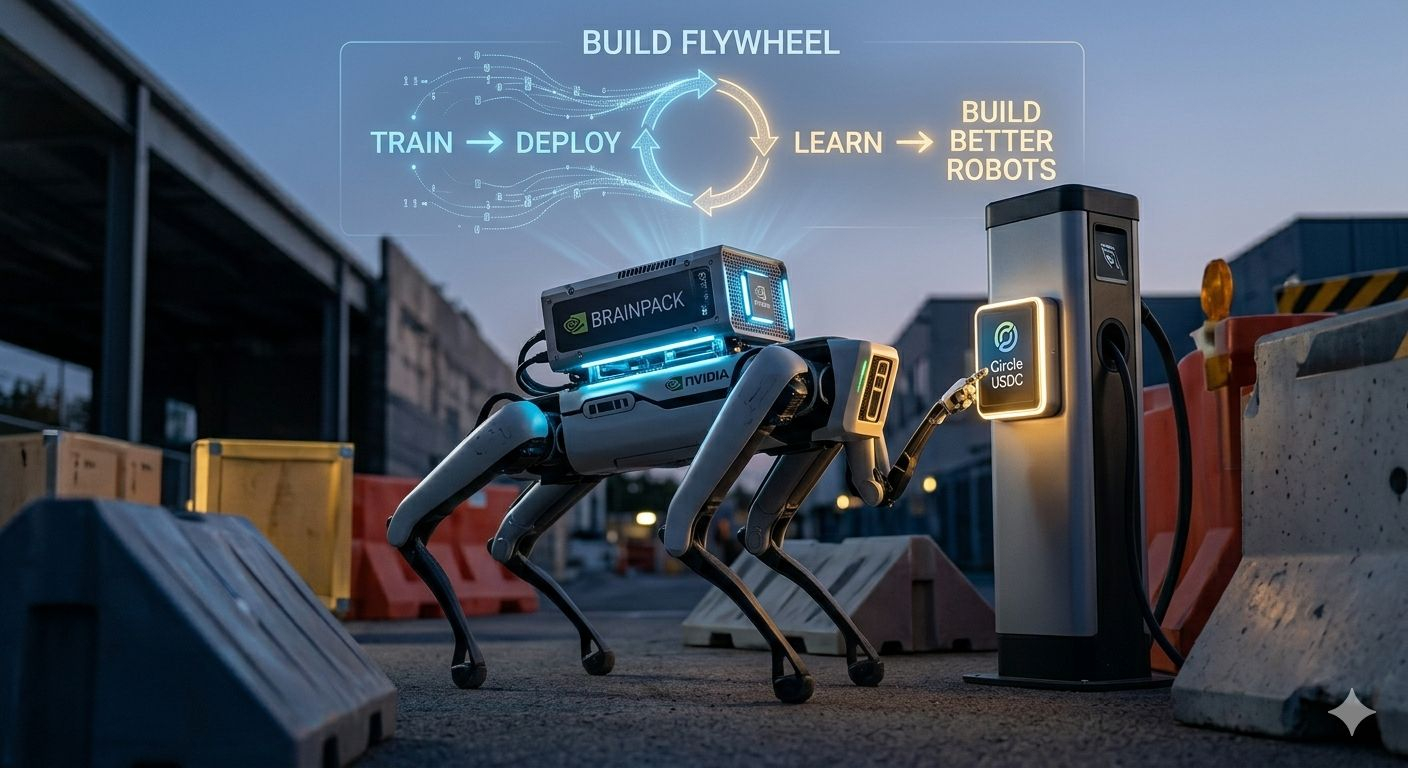
Fabric Protocol's strategy is grounded in an iterative, four-phase roadmap designed to translate ambitious vision into operational reality. The immediate priority is mass deployment: getting physical robots into the field. This phase is already active, evidenced by OpenMind shipping its BrainPack hardware (NVIDIA Jetson Thor compute) to early adopters. This is supported by crucial partnerships, such as integrating Circle's USDC via the x402 module, which provides the critical payment rails for robots to autonomously purchase services or pay for charging.
The second phase centers on compounding learning. As robots are deployed, they generate vast datasets. Fabric coordinates a continuous loop of training, evaluation, simulation, and redeployment, compounding operational intelligence across entire fleets.
Following deployment, the focus shifts to hardening. The protocol must be stress-tested for reliability, security, and economic mechanism robustness under scale. This ensures demonstrated consistency, which is vital for building trust in decentralized automated systems. The final phase involves expanding the ecosystem, starting with the App Store for robot "skill chips," already seeing engagement from developers and partners like UBTech, Deep Robotics, and Agibot.
IV. Outlook and the Path Forward
The fundamental vision of @Fabric Foundation is clear: constructing the essential coordination layer for the multi-trillion dollar Machine Economy. By establishing the identity, payment, and coordination protocols, they are enabling an entire ecosystem of software and hardware to operate frictionlessly in the physical world. This long-term outlook is inherently constructive, driven by genuine utility and a tangible roadmap.
This fundamental strength is reflected in the current market activity for the native $ROBO token. According to the ROBO/USDT analysis for March 13, 2026:
Key Takeaways from the Chart:
Promising Momentum: #ROBO has shown steady growth throughout the day, indicating strong accumulation sentiment.
Key Support Zone (0.04150 – 0.04200 USDT): This is a critical base that has held firm during minor pullbacks. Analysts view this zone as a potential launchpad for further upward movement.
Presence of Buy Signals: Multiple blue arrows on the chart reinforce the strong bullish sentiment.
Current Price & Upside Targets:
The token is building a solid base. If it maintains strength above this primary support zone (0.04150-0.04200), market eyes will be on the potential continuation breakout levels.
Current Price: 0.04209 USDT
Target 1: 0.04275 USDT
Target 2: 0.04325 USDT
The convergence of fundamental protocol build-out and positive market structure suggests a highly favorable environment for the expansion of the Machine Economy and the continued rise of ROBO.