After living in crypto for a while, one thing is very clear: public blockchains are very transparent. Not only can you look at the balances of people’s wallets, you can even look at how the funds are moving around the blockchain. Although this transparency was great in the early days of blockchain, it has created an odd phenomenon where people can observe your personal financial activity with enough interest.
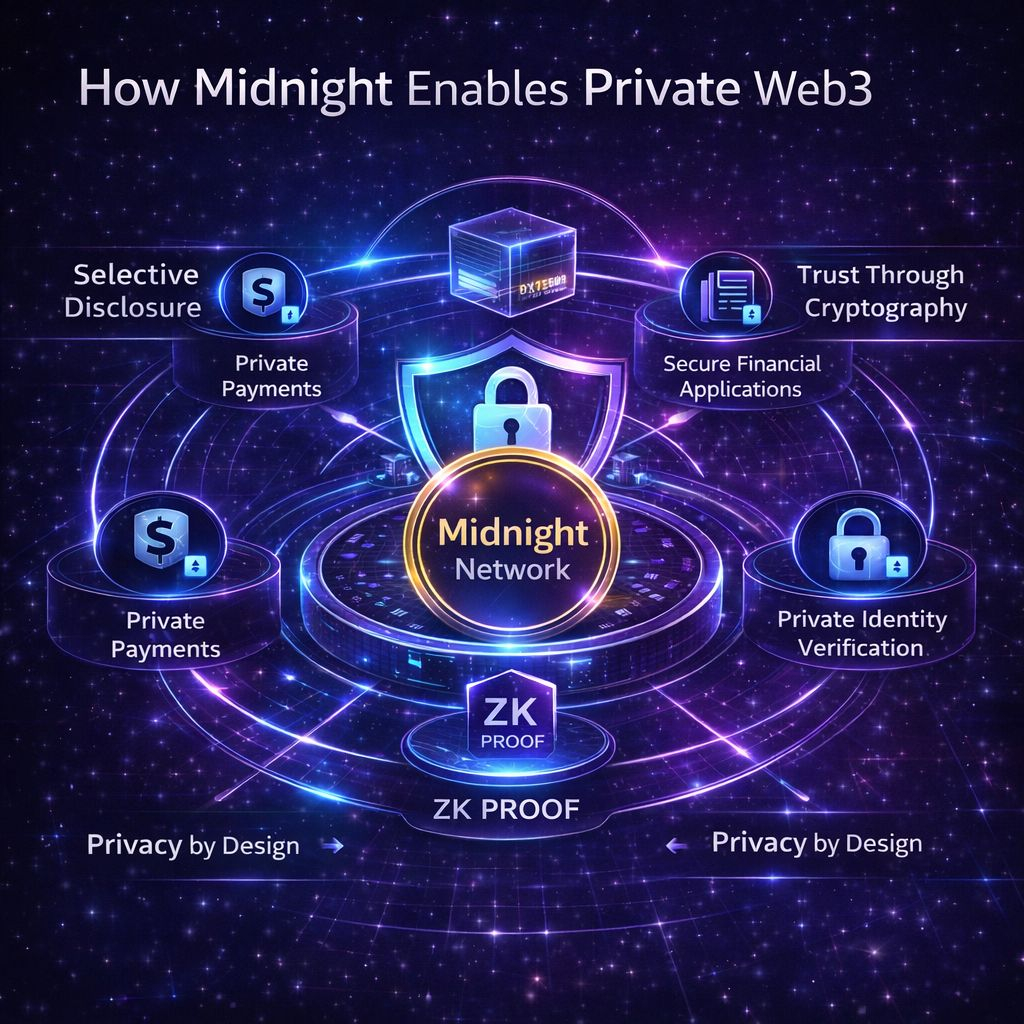
This is the reason why there is now more interest in the infrastructure that is designed for privacy. For example, @MidnightNetwork is working on how blockchain can verify information without requiring people to reveal everything. The concept is simple: prove that something is true without revealing everything about it.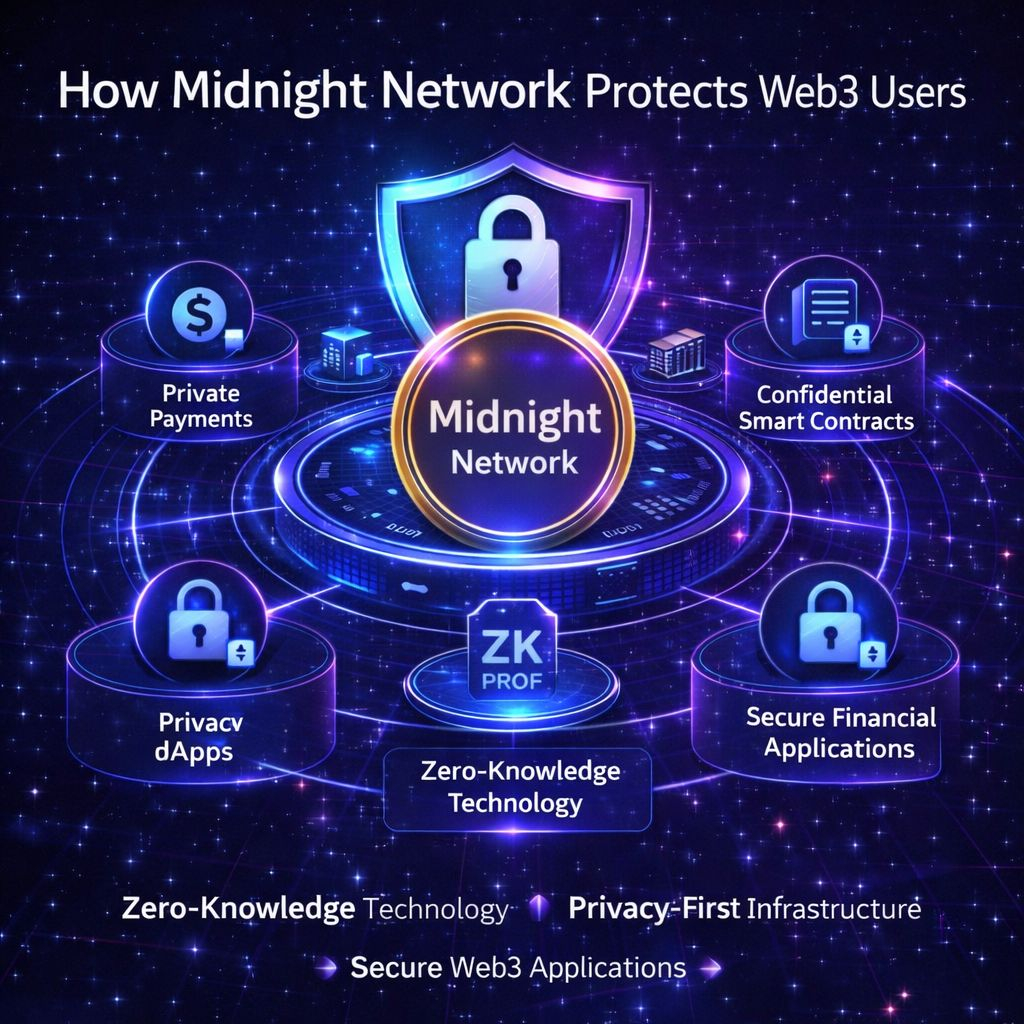
This process will become even more intriguing if one considers the possibilities for real-world implementation. A business might need to interact with blockchain technology, yet cannot share private information. An individual might wish to verify themselves or their credentials without sharing their personal history. Such a privacy-based network could become a key part of future implementation.
The $NIGHT token will be the central part of this process, enabling activity on the network. As developers continue to work on privacy-based applications, such verification and confidentiality-based networks could become a key part of the future for Web3.
The blockchain conversation has shifted. While the current conversation revolves around the degree to which blockchain technology can be transparent, perhaps the next conversation will be centered on the degree to which such technology can respect personal boundaries while still fostering a sense of trust.
@MidnightNetwork $NIGHT #night