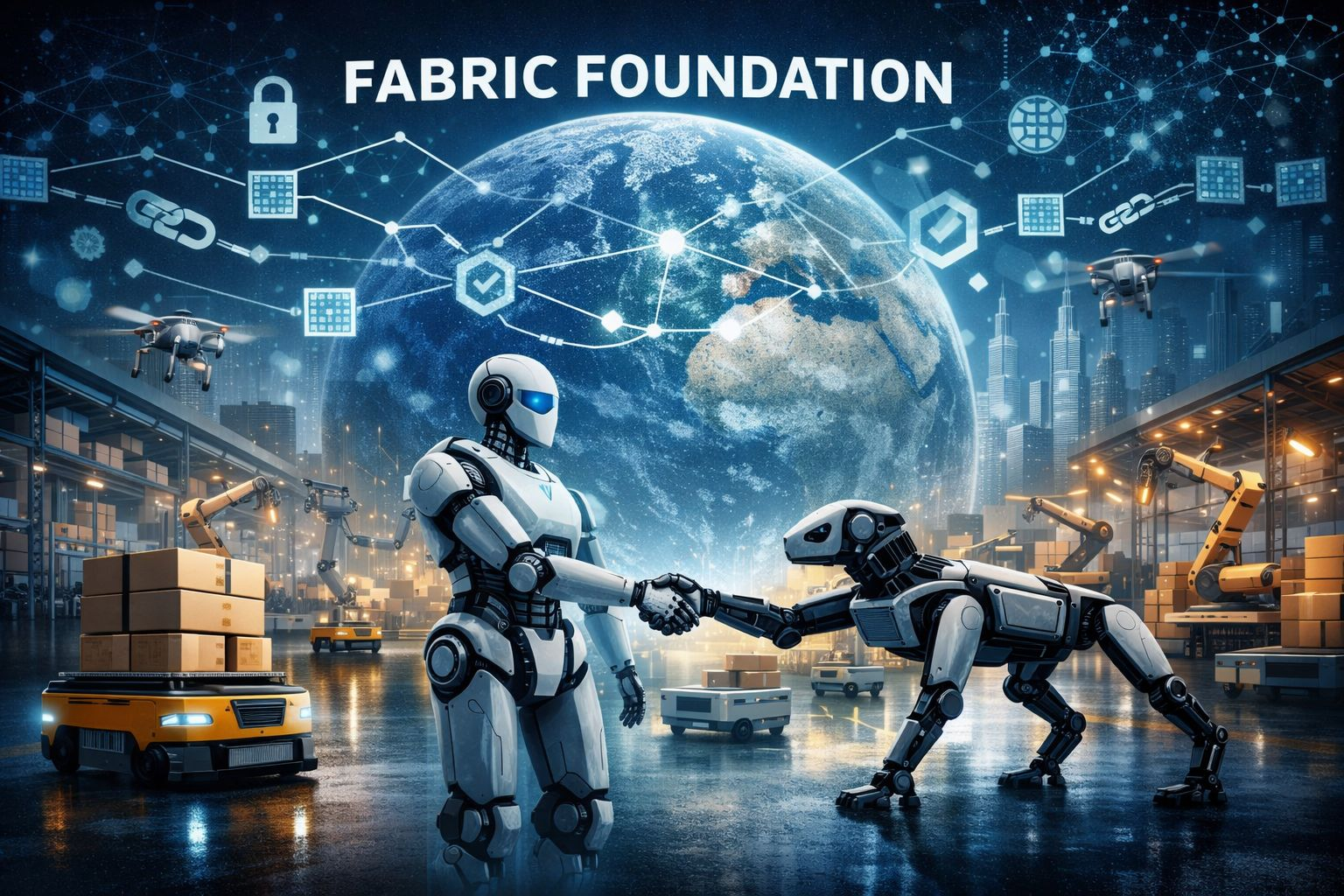
A few days ago, I watched a video of a massive warehouse buzzing with robots. These little guys zipped around everywhere, moving shelves, scanning barcodes, and dropping goods off for workers to package. The whole thing looked smooth—robots weaving past each other like they were part of the same mind.
At first, I just admired the spectacle: high-tech choreography in action. The longer I watched, though, the more curious I got about what was happening behind the scenes. Each robot was busy taking commands, reading its sensors, and chatting with a central system that coordinated everything.
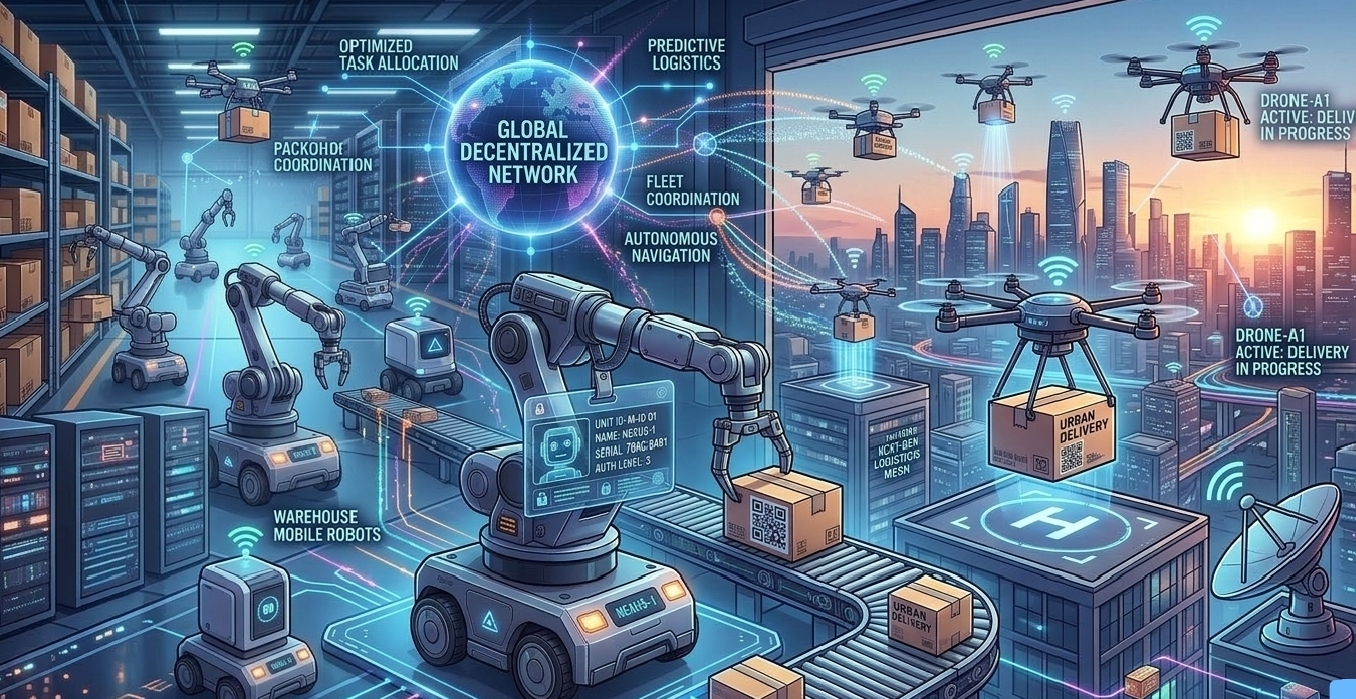
Then it hit me: what if you tossed robots from different companies into this mix?
Right now, most robots live inside their own walled gardens. Makers control the code, updates, and every bit of data. Bring in a robot from a different company, and things get complicated fast. One speaks this language, another uses some other software. Nothing lines up, and coordinating their work is just a headache.
So instead of a network of smart machines working together, you get a bunch of disconnected islands.
That’s where decentralized robotics infrastructure comes in.
The real challenge isn’t only about making robots clever. It’s about connecting them—letting machines identify themselves, speak securely, and cooperate, all without relying on a single controller. Tear down those walls, and suddenly robots can use common rules and trusted systems to collaborate, no matter who built them.
That’s exactly what the Fabric Foundation is aiming for.
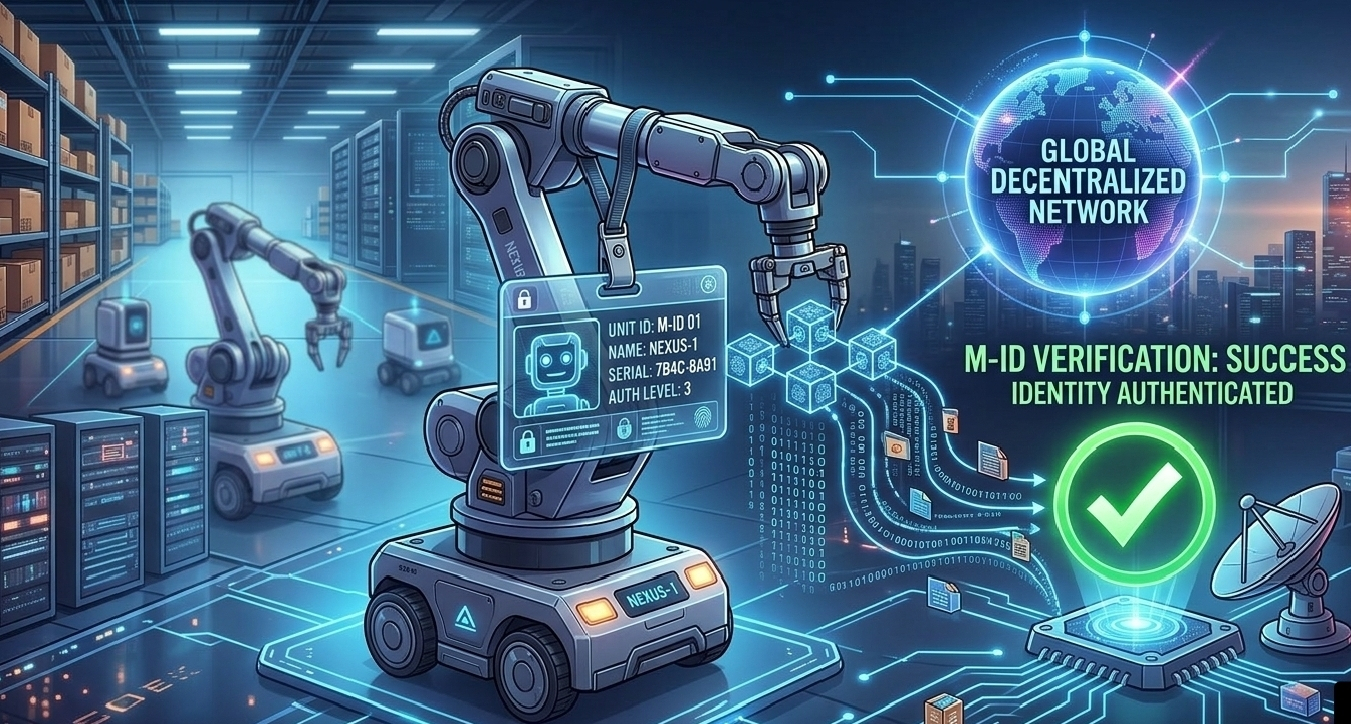
Their focus is on building open infrastructure for all kinds of autonomous machines: protocols for identity, communication, and teamwork. When a robot joins the network, it can prove who it is and what it’s done, and everyone else can see that too.
One of their key ideas is digital identity. Every robot could carry credentials—showing exactly who it is, what tasks it finished, and if it meets safety standards. Over time, this builds up a reputation system where a machine earns trust by doing real work.
Sharing value is important, too. As automation ramps up, robots will need ways to trade services, exchange data, or even pay each other for help. With a decentralized backbone, this could happen directly—fast, secure, and believable.
There’s another big upside: broader collaboration. Developers could launch new software modules—smarter navigation, improved battery use, sharper coordination—and any machine on the network could pick them up. No more ideas locked away behind company walls.
Of course, it’s hardly simple. Robotic environments are messy, hardware doesn’t match, and verifying physical actions digitally is tricky. Toss in security, scalability, and reliability, and the challenges stack up.
Even so, it’s worth pushing for.
Automation keeps spreading—from warehouses and farms to factories and city streets. If we want robots to handle real-world jobs safely and well, we’ll need frameworks that let them team up instead of working solo.
Instead of another closed-off system, groups like Fabric Foundation are building the open groundwork for robots to join a shared network and operate on equal terms.
If this vision catches on, imagine a world where robots trade knowledge, update each other, and interact through open systems built for new automation.
And honestly, it’s not just about robots.
It’s about laying the tracks for intelligent machines to actually work together in a world that’s charging ahead with automation.