


For over a decade, the blockchain industry has been obsessed with a single, binary choice: Total Transparency vs. Total Anonymity. On one hand, we have Bitcoin and Ethereum, where every transaction is a matter of public record "glass box" that businesses and individuals find increasingly uncomfortable.
On the other, we have "privacy coins" that obfuscate everything, making them a "black box" that regulators and institutional players simply won't touch.
The problem is that the real world doesn't operate in binaries. We don't share our entire bank statement with every barista, but we do share our ID with a bank.
This is the "Regulatory Gap “the missing layer of programmable, selective disclosure that has kept mainstream enterprise adoption at bay.
This is where the Midnight Network finally offers a way out of the trap. Built with deep cryptographic expertise from Input Output (the team behind Cardano), Midnight isn't just a privacy coin; it is a data protection blockchain designed for real-world compatibility.
Midnight introduces a concept they call "rational privacy." The idea is simple but profound: you should be able to choose what data to share, with whom, and for how long .
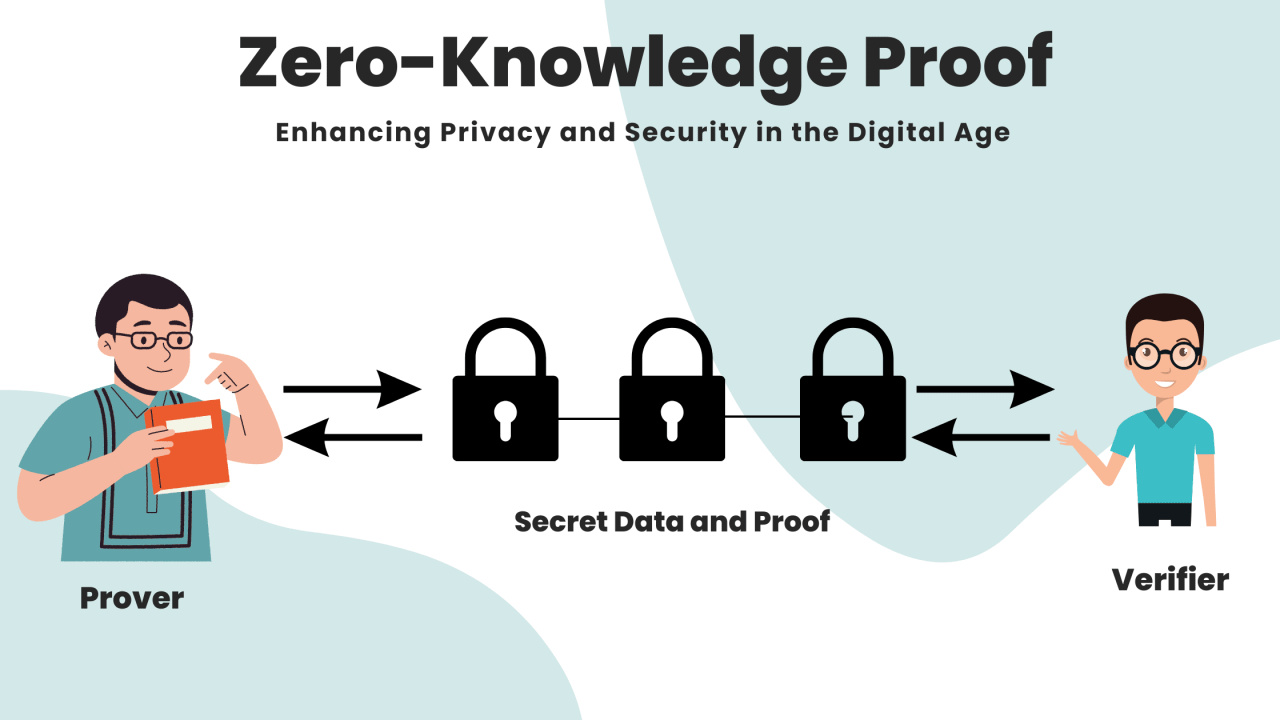
By using Zero-Knowledge Proofs (ZK-proofs), Midnight allows a user to prove they are over 18 or have a sufficient balance without ever putting their birthdate or net worth on the chain. This "Need-to-Know" filter is the breakthrough that allows institutions to finally utilize blockchain efficiency without risking proprietary business intelligence.
We were promised a revolution. Blockchain technology would disintermediate the old powers, giving us control back over our finances and data. For the most part, it delivered—at least on the finance part. But if you look closely, there’s an elephant in the room that most general-purpose blockchains like Ethereum and Solana haven't just ignored but have actually made worse.
For early adopters, this was an acceptable trade-off for financial sovereignty. But for the enterprise, and for the average user who doesn't want their neighbor to know their net worth, this isn't freedom, it's a surveillance machine.
We have normalized a system where, if you want to use the service, you have to accept that the product is your data.
That is why the next great battleground for Layer-1 blockchains isn't speed or low fees—those are becoming commodities. The battleground is confidential. And one project rebuilding the internet from the ground up with privacy at its core is the Midnight Network.
To understand why Midnight is necessary, we have to look at the failed experiments of the past. Privacy coins like Monero (XMR) and Zcash (ZEC) were the first to identify this problem. They pioneered the use of cryptography to hide transaction details. However, they ran into a wall of regulatory friction and isolation. Because everything was hidden, they became difficult for institutions to touch.
You can't prove you're compliant with anti-money laundering laws if you can't see anything at all.
On the other hand, you have "transparent" blockchains. They offer auditability but zero discretion. If a multinational corporation wants to pay a supplier, they don't want their competitors to see their negotiated pricing or cash flow timing.
We have been stuck in an "all-or-nothing" trap for a decade. You either have transparency with no privacy, or privacy with no accountability. The market has been waiting for a third option.
