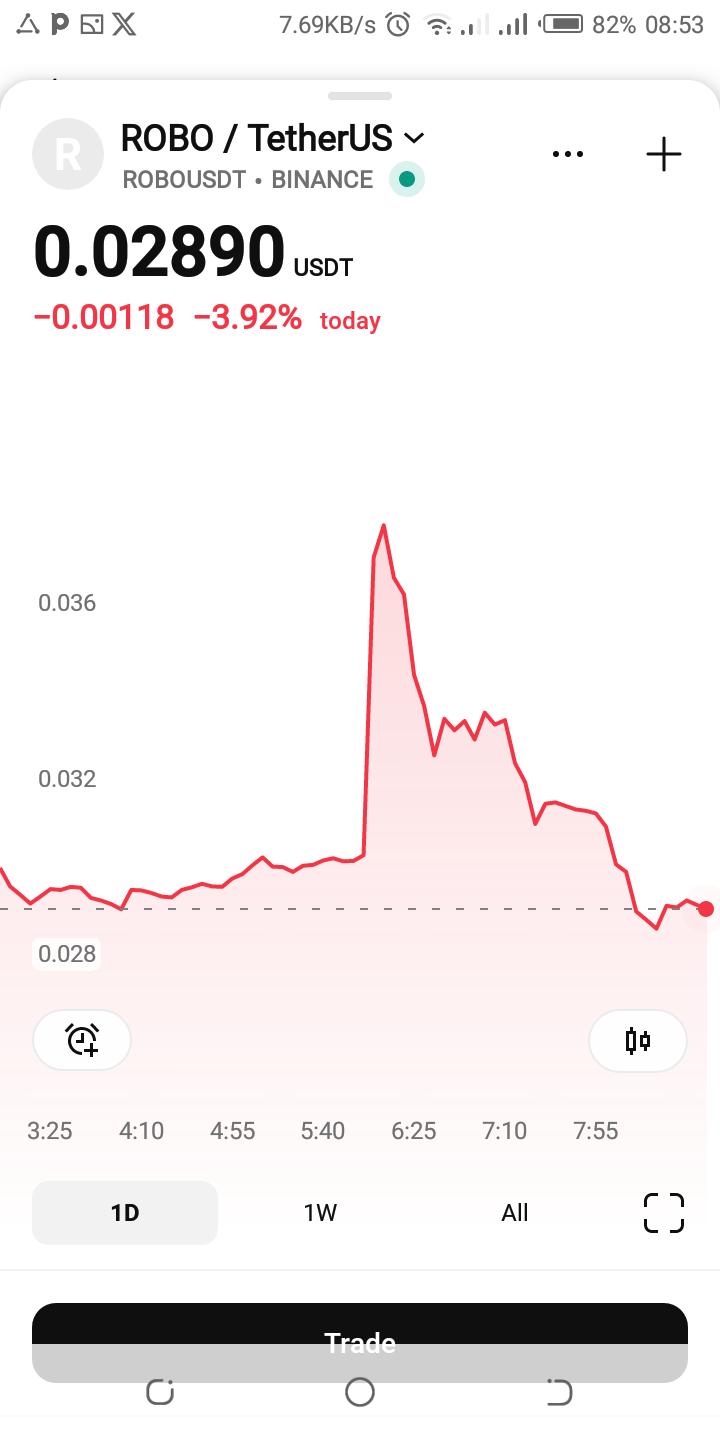
Azjatyccy traderzy, słuchajcie — podczas gdy Zachód goni za hype'em chatbotów i wirtualnymi modelami AI, Azja jest już globalną fabryką. Chiny instalują więcej robotów przemysłowych niż jakikolwiek inny kraj, Japonia i Korea prowadzą w precyzyjnej automatyzacji, a boom produkcyjny w Azji Południowo-Wschodniej eksploduje. W tym środowisku, $ROBO (Fabric Protocol) wyróżnia się jako jedyny token bezpośrednio zasilający fizyczne roboty — nie tylko kod. Oto szybkie porównanie „oko w oko” dostosowane do traderów, którzy rozumieją rzeczywistą adopcję nad narracyjnym fluffem:
ROBO (Protokół Fabric): Physical DePIN + Gospodarka Robotów. Roboty uzyskują identyfikatory on-chain, portfele i mogą zarabiać/wydawać $ROBO na płatności między maszynami, koordynację flot i nagrody za Proof-of-Robotic-Work. Kapitalizacja rynkowa wciąż w zakresie ~$80-90M po uruchomieniu. Wspierane przez poważne finansowanie ($20M+), rzeczywistą integrację sprzętu.
$TAO (Bittensor): Zdecentralizowana sieć inteligencji AI. Skupia się na dostarczaniu obliczeń i inteligencji uczenia maszynowego — potężne do szkolenia modeli, ale czysto cyfrowe/wirtualne. Brak bezpośredniego związku z fizycznym sprzętem. Znacznie większa kapitalizacja, już wyceniona na ciężką narrację AI.
$FET / ASI (sojusz Fetch.ai): Agenci AI, którzy mogą działać autonomicznie online (rezerwacje, handel, zadania związane z danymi). Świetne dla cyfrowych gospodarek, ale wciąż agenci na poziomie „chatbota” bez rzeczywistej kontroli fizycznej lub płatności. Agenci vs. rzeczywiści pracownicy.
Inni (np. RNDR, itp.): Głównie renderowanie GPU lub obliczenia — ponownie, oparte na chmurze, a nie roboty przenoszące pudełka w fabryce w Shenzhen.
Dlaczego Physical DePIN ($ROBO) ma przewagę w rzeczywistym świecie Azji
Roboty przemysłowe nie są już sci-fi — spawają samochody w Guangzhou, zbierają zamówienia w magazynach w stylu Amazon w Wietnamie i Tajlandii oraz montują elektronikę w zakładach Foxconn. Te maszyny potrzebują zdecentralizowanej infrastruktury: weryfikowalnej tożsamości, natychmiastowych płatności między robotami oraz zachęt do stawiania, aby koordynować flotę bez pojedynczej firmy kontrolującej wszystko. ROBO dostarcza dokładnie to — przekształcając roboty w autonomiczne agenty gospodarcze, które mogą zarabiać dochody on-chain. To nie jest hype na temat „agentów AI rozmawiających”; to sprzęt w fabrykach generujący rzeczywistą produktywność i przepływ gotówki. Azjatyccy giganci produkcyjni (UBTECH, Unitree, partnerzy Fanuc) już skalują humanoidy i roboty magazynowe — warstwa DePIN $ROBO wtyka się bezpośrednio w tę infrastrukturę. Wirtualne tokeny, takie jak TAO i FET, ryzykują pozostanie w chmurze; physical DePIN przechwytuje rynek pracy robotów wart biliony dolarów, który dzieje się teraz na azjatyckich halach fabrycznych. Momentum Binance jest realne i przyjazne dla traderów.
$ROBO zadebiutowało mocno na Binance Alpha (pierwsza platforma, która je zarejestrowała), szybko następnie przez Bybit i Coinbase. Ale prawdziwy alpha dla azjatyckich traderów? Binance CreatorPad — 8,600,000 $ROBO nagród odblokowanych przez proste zadania (treści, analizy, dzielenie się). Zweryfikowani użytkownicy na Binance Square zbierają nagrody teraz — idealny niski próg wejścia dla regionalnych traderów, którzy już używają Binance jako swojej głównej platformy. Niska float + fizyczna użyteczność + wsparcie Binance = klasyczny zestaw do wybuchu w cyklu AI/Robotyki 2026. Podczas gdy TAO i FET handlują po premium wycenach na czystej narracji, $ROBO wciąż jest na wczesnym etapie z rzeczywistymi mechanikami gospodarki robotów. Azjatyccy traderzy mają tutaj przewagę na własnym boisku. Twoje fabryki, twoje łańcuchy dostaw, twoje przywództwo w robotyce — $ROBO przekształca to w wartość on-chain. Nie śpij na physical DePIN, podczas gdy wszyscy inni gonią chatbota.#DePINAsia #robo #SECClarifiesCryptoClassification #AsianRobotEconomy #cryptotradingasia @Fabric Foundation $ROBO