

So, picture this: I’m half-awake, scrolling through my phone at some dumb hour—definitely not the time to be catching up on crypto news, but there I am anyway. I see another Binance airdrop flash by. My first thought? Oh great, another one. Feels like there’s a new airdrop every week now, you know? Usually, I just skim these—grab the gist, move on. But this one made me stop. Not because of the usual free tokens—honestly, I barely remember half the stuff they toss out anymore. Nah, it was the description that hit me: “coordinating robots and AI workloads across devices, services, and humans.”
Like, wait up. That’s not just another “efficient-scaling-super-token” tagline—felt bigger, like they’re reaching for something wild.
Here’s where my brain started firing up. Lately, crypto’s been poking its nose beyond finance. It’s sneaking into infrastructure. Not just money pipes or fancy DeFi farms, but bigger foundations—stuff for AI, automation, robots… the kind of thing you’d expect in a sci-fi novel. Sounds nuts, right? But think about it.
AI sucks up compute power like a black hole. Robots need super-coordinated instructions or they just spin in circles. Everything has to talk smoothly—no lag, no messy middlemen.
The weird thing is, right now, all this coordination runs through big, chunky, centralized tech pipes—the usual suspects: Amazon, Google, Microsoft, a mess of private APIs. It’s fast, sure, but ugh… so fragile. One hiccup, server’s down, everything grinds to a halt.
So crypto struts in and asks: why not chop out the middleman? What if the coordination layer was open—run by everyone, not just a handful of gigantic tech companies?
Here’s the sticky bit for Fabric Protocol. The real problem they’re gnawing at is coordination. Not just shooting money around, not tossing raw data back and forth; it’s about getting machines, services, and actual people to sync up and play nice.
And—and I say this with scars from past side projects—it’s ugly work. I remember one weekend, I mashed together a few automation tools for this silly data scraping project. Must’ve been, what, five APIs? Everything looked fine on paper. In real life, it was like herding cats on ice. One tool lagged, another barfed weird data, and bam, the whole thing stalled. That was just for some scripts. Imagine scaling that to real AIs or actual robots running around. Yikes.
So, ROBO—best as I can tell—is their coordination layer. It’s not just a token you trade and forget. It’s literally threaded into the job of orchestrating tasks across all these scattered systems: devices, AIs, probably the odd human in the loop too.
Instead of having one bossy server telling everyone what to do, the network itself runs things. Tasks bounce around, resources get matched up, rewards flow where they need to. And yeah, the token? Maybe you need it for access, maybe you earn it by contributing, maybe it lets you jump the queue. The usual crypto bells and whistles, but pointed at actual messy operations.
When you zoom out, the Binance airdrop is basically just the door. Warm-up act. The real show’s the underlying protocol—it’s like, are you watching the free t-shirt giveaway, or are you actually here for the main event?
Why’s this different? Well, most crypto+AI projects love to yammer about data markets or renting out idle GPUs. Not knocking that, but it’s become… predictable. This whole “coordination layer” angle feels a step sideways. It’s not fighting for compute—it’s trying to be the glue.
Honestly, that’s a steeper hill. Reminds me of early days in cloud—Amazon would brag about cheap servers, but the real monsters were the tools that helped everything fit together. Invisible, but absolutely necessary.
Do I buy the hype? Not fully. Not yet.
There’s a laundry list of ways this could stumble. Coordination systems are nightmares to build, and once you go decentralized… well, you add swimming with sharks to the mix. More things can break. Latency issues pop up, security gets gnarly, reliability can nosedive.
And, okay, let’s talk tokens. Sometimes they’re magic rocket fuel, sometimes they’re a clunky add-on so the project looks “web3 enough.” Does ROBO’s token make this work, or is it just lipstick? Anyone’s guess.
Adoption’s the beast. You don’t just flip a switch and get all the devs, all the companies, all the robotics nerds to pile in. It’s not DeFi—you can’t just dangle big yields and wait for a gold rush.
But the thing that gets me—it really gnaws at the back of my mind—is where this all could be heading.
If, somehow, AI agents get more independent, and robots keep getting smarter—if the world really does start to hum with all these little digital workers zipping around—then the magic isn’t in the compute. It’s in coordination. The invisible traffic cop.
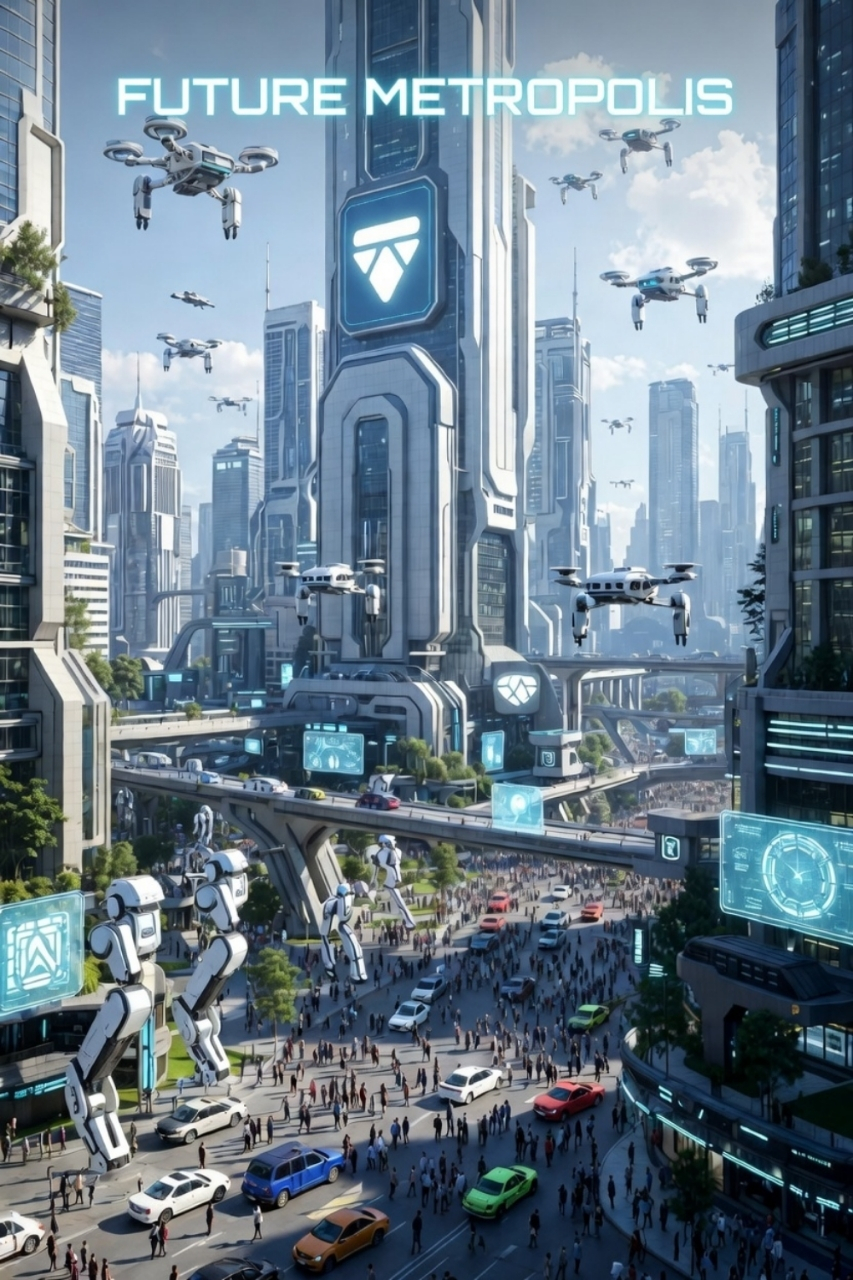
Maybe protocols like Fabric become background noise, totally essential but nobody ever notices. Or maybe they just fade out—another good idea that dies forgotten in some code repo. Who knows.
#ROBO $ROBO @Fabric Foundation $ROBO
But I’ll tell you this: the second crypto aims not just to move money, but to organize actual machines? Feels like we’re stepping into a whole new game. Wild, honestly—sometimes you have to stop scrolling and just… stare at the circus.