So, the first time I ran across Midnight Network—it just sort of appeared out of nowhere. Not with the usual crypto nonsense, either. All those shouty headlines or viral tweet storms? Nope. It was totally quiet. Actually, almost too quiet. Made me suspicious for a second, like, “Who launches something in crypto and keeps their mouth shut?” Anyway, I remember the night pretty well, because I had my coffee, laptop on my lap, and one tab open to this ancient Bitcoin explorer. It was March 9th, 2023—a Thursday night—and I was poking around, looking at privacy stuff, just out of boredom really. Suddenly, there it was: Midnight. Not waving a flag about “transparency!” Just this subtle message, like, “Hey, maybe we could do this privacy thing a little differently.” Felt odd, honestly.

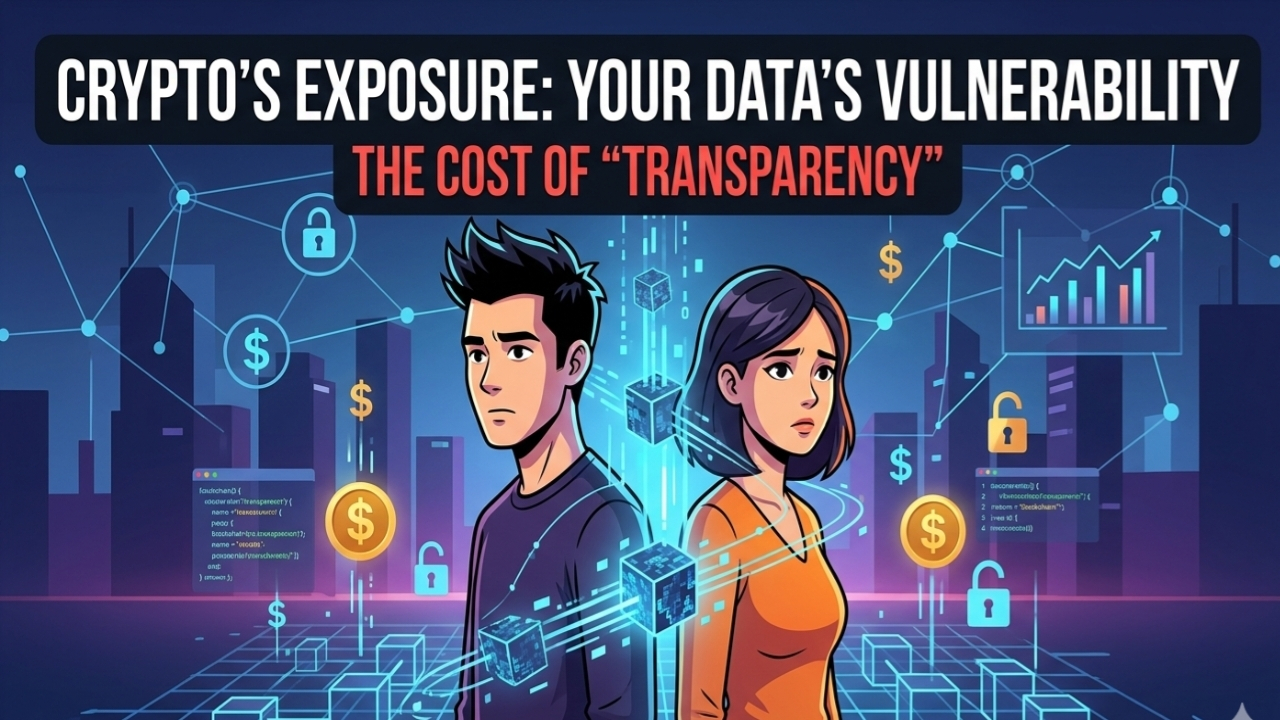
Let’s be real, the whole crypto culture is obsessed with showing everything. It’s always, “look how trustless this is!” and “you can trace every penny!”—every wallet, every contract, all just hanging out for anyone to stare at. Sounds cool, until you remember actual people are behind those wallets. Or companies handling serious deals that really shouldn’t be plastered all over a chain. And wow, with AI and the data economy creeping into everything these days, data exposure goes way beyond tech—it’s a big societal headache now. Privacy actually matters. Like, a LOT more than it did even a couple years ago.
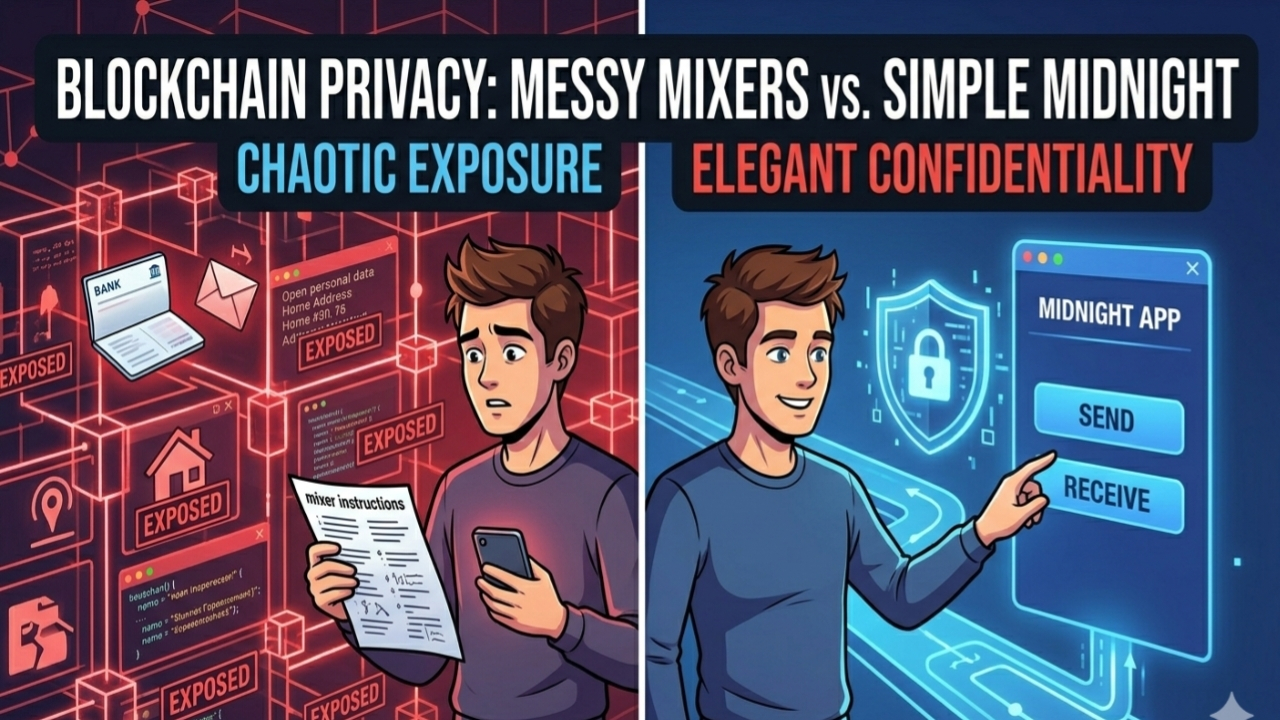
So Midnight’s big pitch? Pretty simple, but kind of sneaky: how do you let folks use blockchain without exposing their entire life to the world? Most chains are either, “Here’s everything!” or shove you into weird off-chain stuff no normal person wants to deal with. I tried using a mixer once—felt sketchy, honestly, like I needed a secret handshake and a burner phone just to send Bitcoin. Messy, confusing. Why should something basic be so annoying?
Midnight’s got this zero-knowledge proof thing—which, to me, always sounded like sci-fi, honestly. I kept seeing it in research papers, but never saw it actually work on a network. Turns out, you can check a transaction without showing the details. Like saying, “Yeah, verified—I sent $100,” but nobody sees your bank statement. Pretty clever. So Midnight bakes this into transactions—payments, swaps, contracts, all without spilling the beans. The token, staking, infrastructure stuff—they’re there, but the privacy part is what really feels like the heart of it. It’s not loud or complicated. It’s just kind of doing its thing in the background.
What really hit me was how Midnight isn’t chasing the old privacy hype—none of the crazy gimmicks or hacky tricks that make a wallet unusable. It feels like someone just sat down, looked at the whole messy blockchain scene, and thought, “Let’s actually keep this simple.” It does mean you get a few classic tech trade-offs—yeah, maybe slower transactions, a bit more computational juice needed. But worth it, I think.
Let’s not pretend it’s perfect. Zero-knowledge stuff is still pretty heavy, computers-wise. Adoption depends on how wallets, exchanges, and, honestly, us—users—behave. And there's that always-looming regulatory drama: privacy tech and regulators are famous for not getting along. Sure, I kind of want totally private crypto, but reality always throws in some ridiculous twist.
But looking ahead, it's pretty exciting. If networks like Midnight actually catch on, privacy could turn into something basic—expected, not optional. Imagine building systems where your data isn’t just tossed around for kicks. That would make all the “transparent-everything!” vibes we’ve got now feel ancient, reckless even. And I say that as someone who’s spent way too much time on block explorers, privacy subreddits, and swapping wallets. So yeah, I’m hopeful. Weirdly hopeful. Ugh—in the good way.