

Man, when I first stumbled onto Fabric Foundation and their $ROBO token, I just kind of blinked—another one of those “hey, let’s mix AI and crypto!” ideas, right? At least, that’s what I thought. But it kept pulling at me, low-key. Nothing flashy, zero hype parade—just this weird vibe. Like the framing felt... off-axis or something. Maybe “different” is the better word. Physical AI? Decentralized machine coordination? The phrase stuck in my brain longer than I expected, honestly.
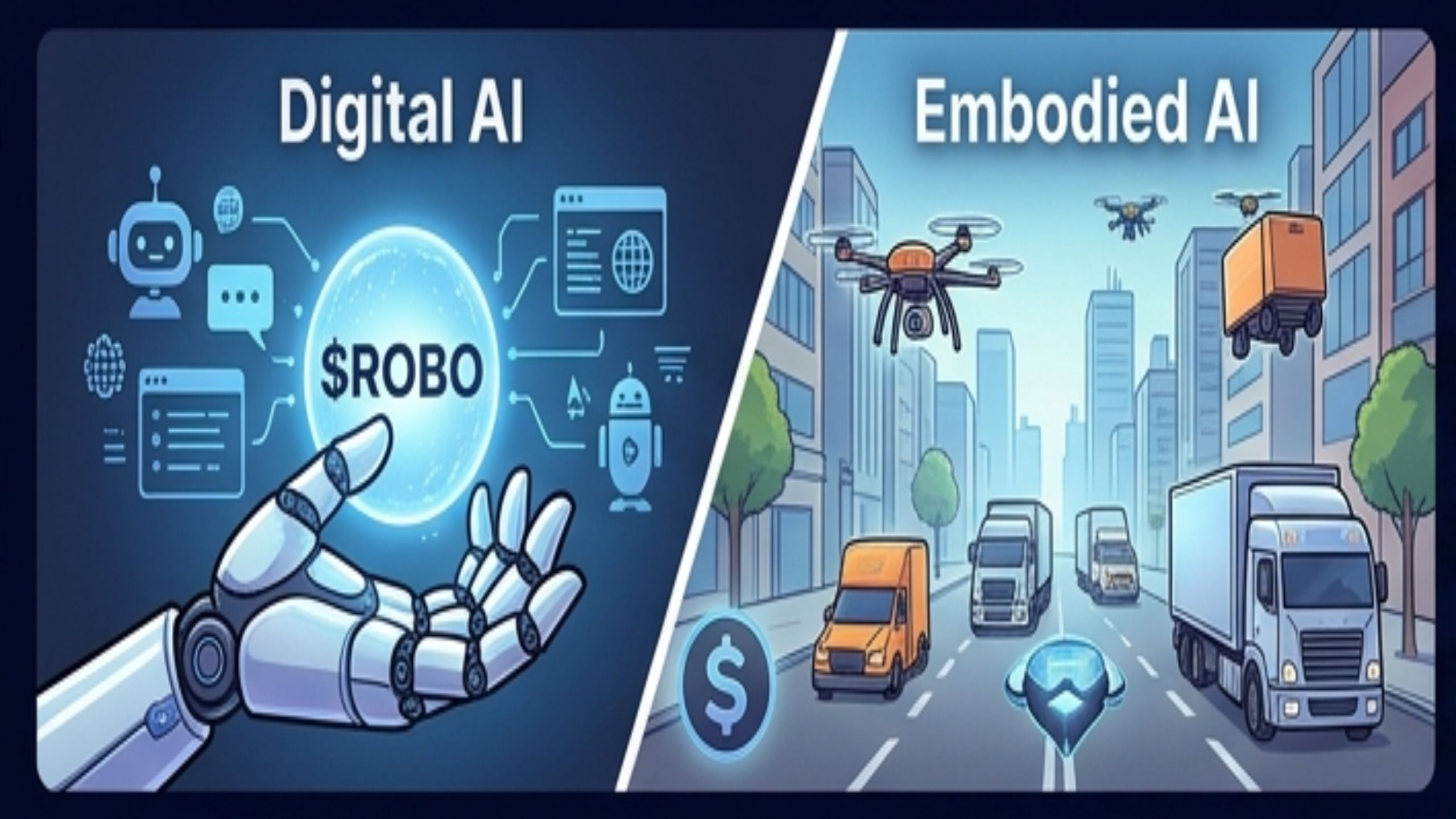
I think what got me is the bigger shift that’s happening, but nobody’s shouting about it yet. We’ve all been obsessed with digital AI—chatbots, giant models, whatever clever agent shows up next. Now, there’s this slow left turn toward embodied AI. You know, actual robots wandering around, drones, self-driving stuff. Not just thinking—acting. Doing. And that coordination problem, wow. I mean, think about millions of independent bots out there, all moving around in the real world, not just some cozy data center—trying to play nice together. It gets messy fast.
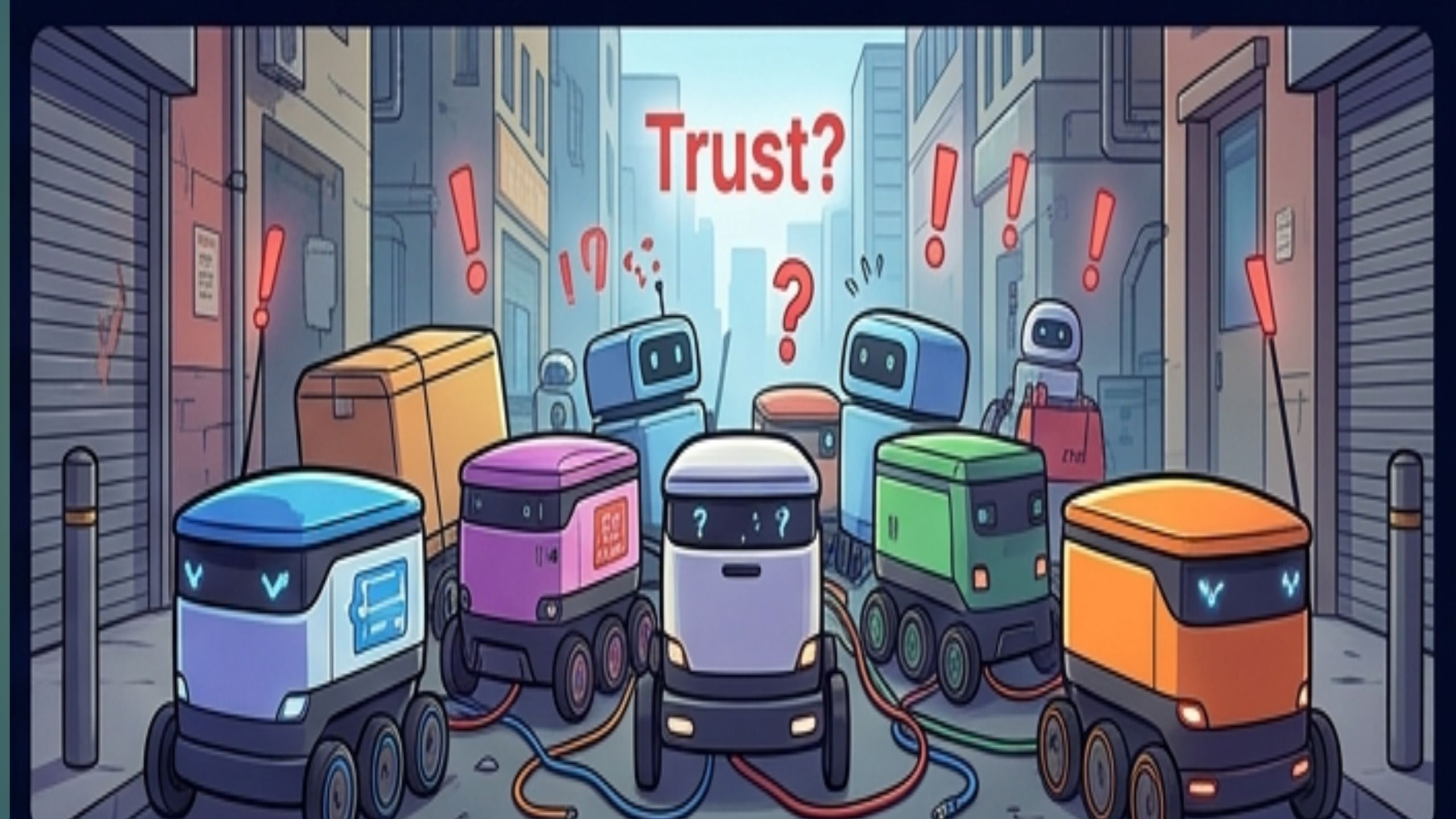
That’s the part where Fabric starts making sense.
Here’s how I see it: trust and coordination, scaled way up. Imagine fleets of robots—owned by different people, running all sorts of code, scattered across places. How do they interact? Trade info? Prove they’re legit? None of that “just trust the big company” stuff flies. I remember tinkering with my own little IoT setup awhile ago—just a couple smart bulbs, sensors, nothing fancy—and wow, I got really, really tired of devices fighting each other, or data going sideways. Ugh. Multiply that by a thousand, or a million, and good luck.
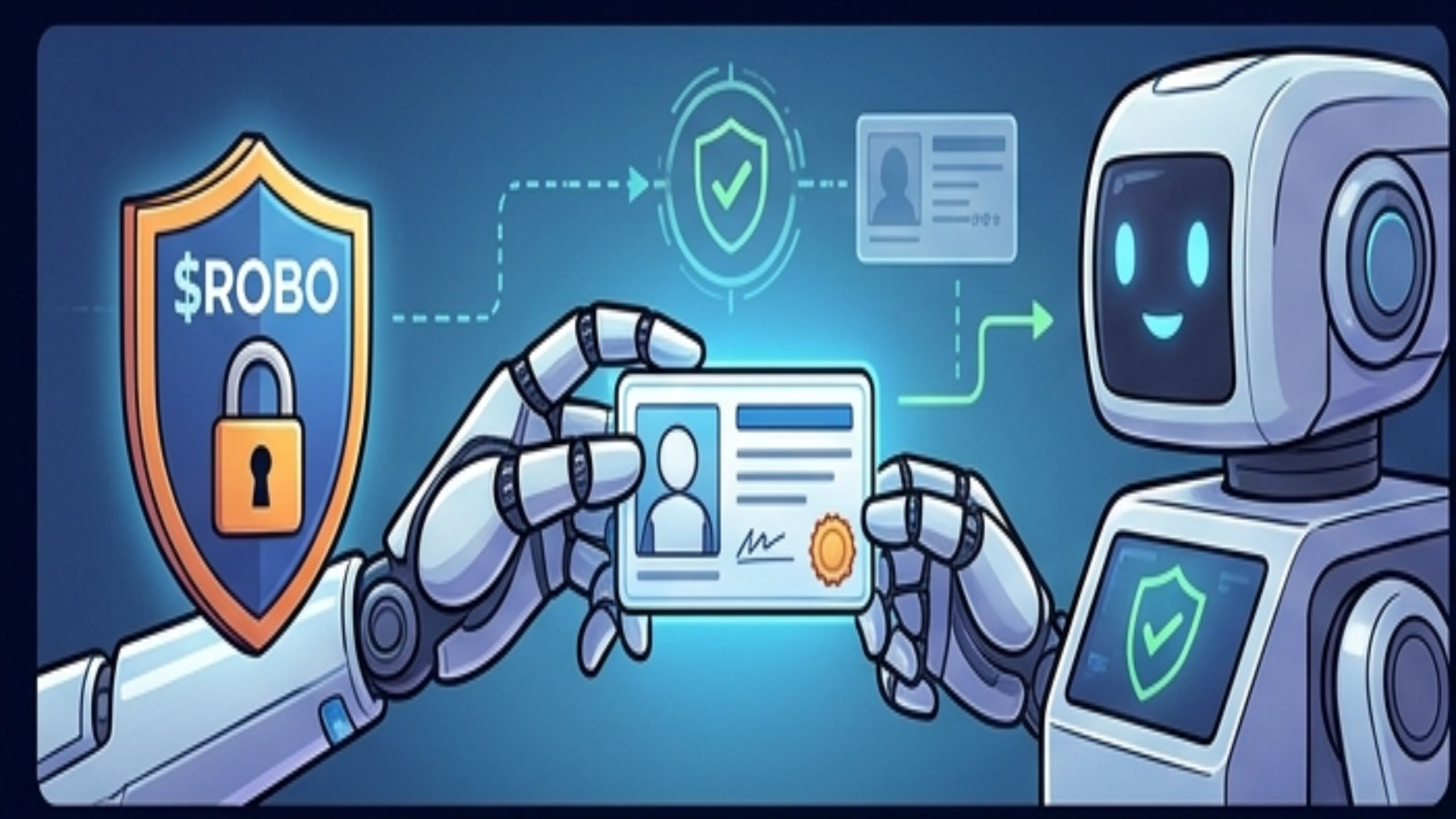
Fabric’s answer is to lean hard into the crypto toolkit. $ROBO isn’t just a gamble token (not the fun part, honestly). They pitch it as a coordination layer. Machines use it to transact, stake, signal “hey, I’m reliable!”—pretty wild. Rather than trusting some overlord, everything flows through incentives and cryptographic checks. Feels clever.
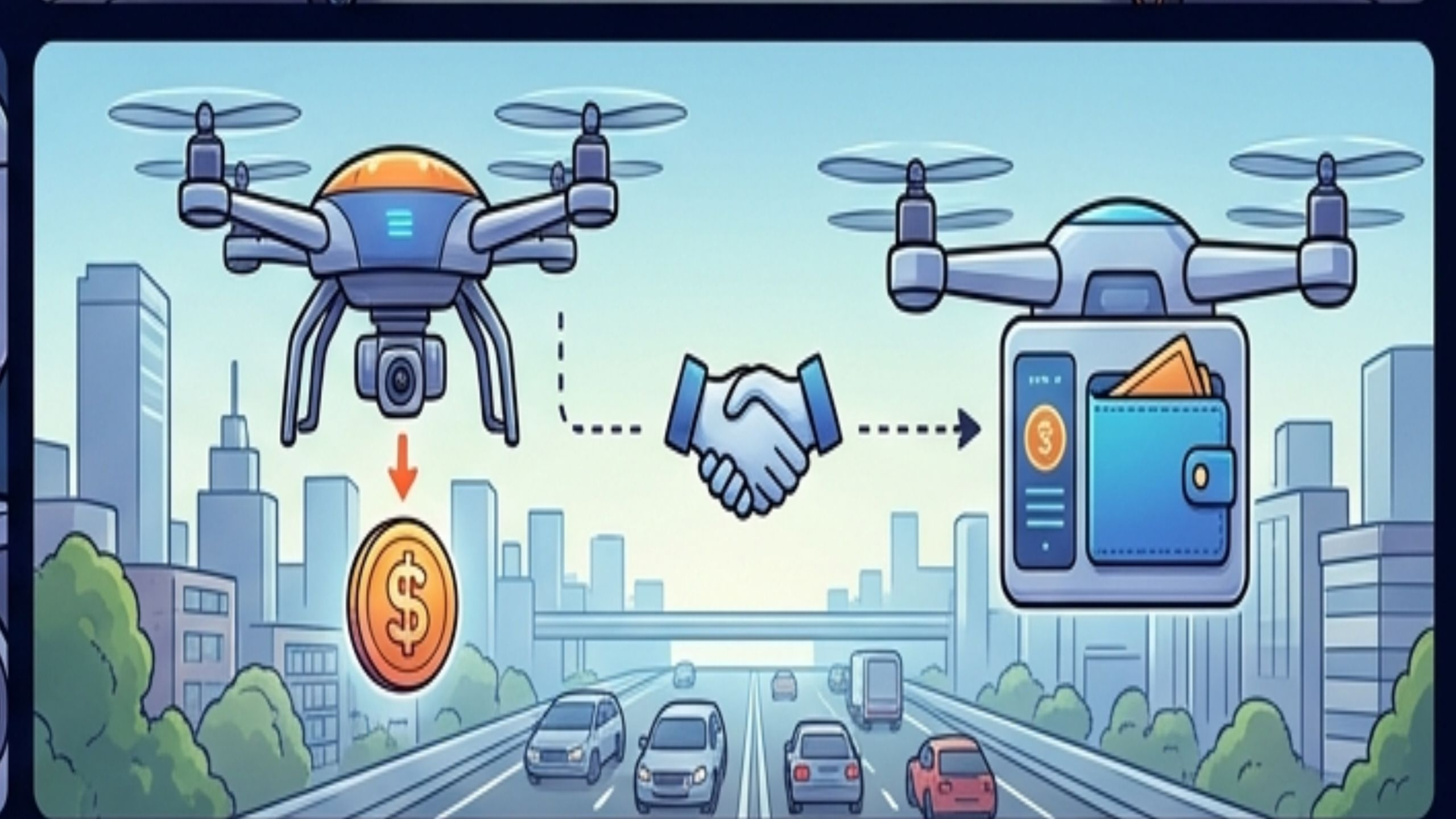
So a robot could “earn” tokens for doing real stuff, stake some to show it’s not a spammer, or even pay another machine for a service. Kind of sci-fi, but not as far-fetched as it used to be. Just thinking about machines with wallets—yeah, that gets weirdly exciting and a bit freaky.
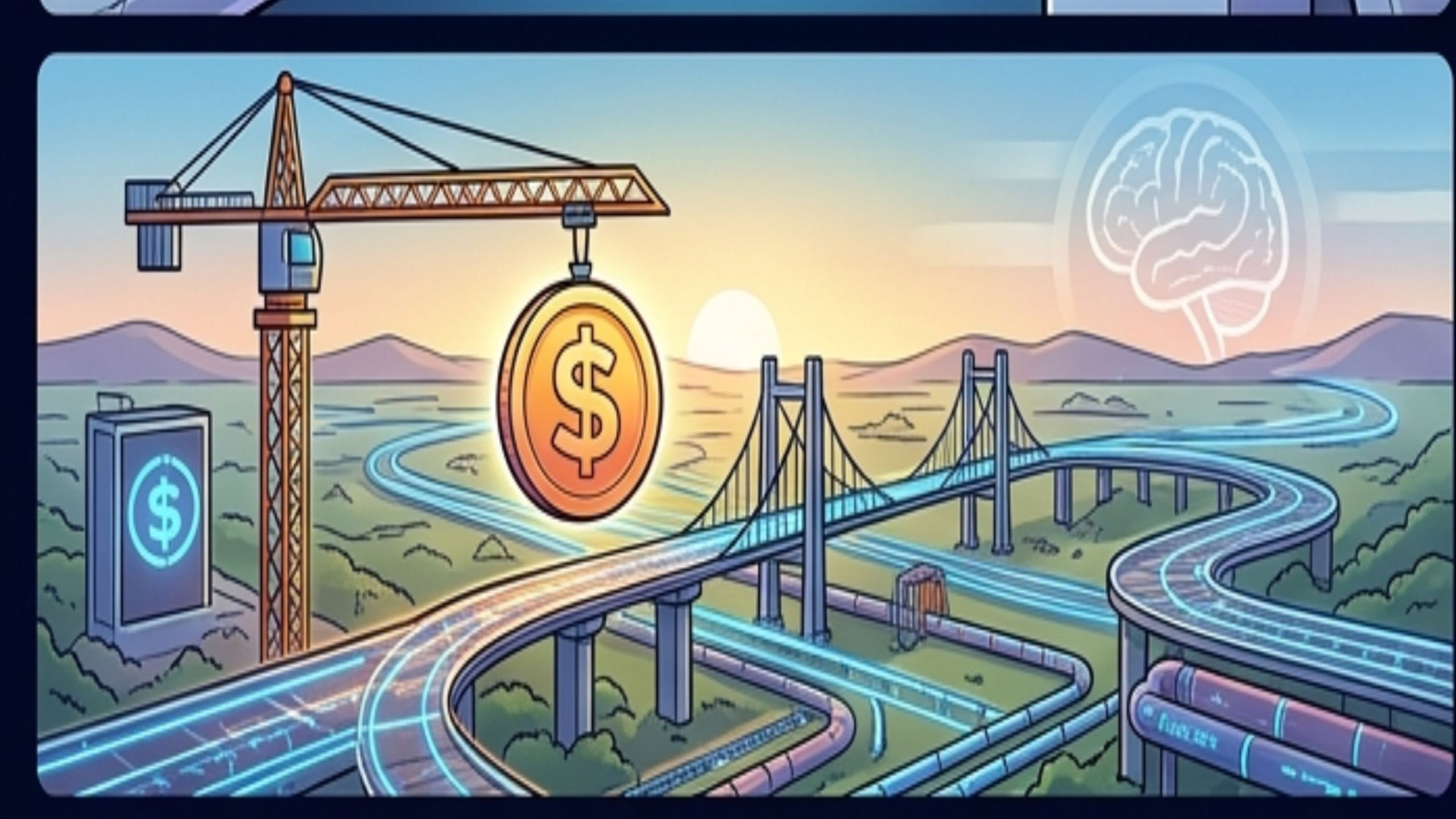
What really grabs me is how Fabric isn’t chasing the “biggest model ever” game. Most of the AI stuff I poke at is all about bigger brains. Fabric feels like pipes and bridges—the infrastructure side. Less “smarter AI,” more “let’s get them organized once they start moving.” Reminds me of early blockchain, where the idea was: don’t build the cool app, build the tracks it’ll need.
Of course, the headaches are real and hefty. Getting actual hardware signed up for a decentralized network isn’t easy. Security—oof, that gets gnarly when machines wander around and start swapping tokens on their own. Regulation? Yeah, buckle up. People get twitchy when physical things are involved. Digital systems slide under the radar, but trucks and drones in traffic? Not the same.
Part of me really wonders if this token approach is the best fix, or just the easiest thing to slap on using the crypto playbook. Maybe it works. Maybe it flops. Still early days.
But zoom out, and I can’t shake the idea. If AI leaves screens and spills onto streets, warehouses, supply chains—then organizing them becomes the big problem. More than brains, it’s about teamwork. And if Fabric lands even halfway right, maybe the next leap isn’t just “smarter bots.”
Maybe it’s bots that know how to play nice. That, honestly, feels pretty wild.
#ROBO $ROBO @Fabric Foundation
