
I was standing in a crowded Islamabad market last week, watching a street vendor argue with a customer over a fake phone charger. The guy swore it was original, pulled out a crumpled receipt as “proof,” but everyone knew it meant nothing. Trust here relies on faces, voices, repeated dealings—not papers that anyone can forge. That moment stuck with me because it felt so human, so fragile.
Later that evening I opened the CreatorPad campaign task on Binance Square. I had to engage with the SIGN content, specifically navigating the section that laid out the S.I.G.N. Framework and its schemas for attestations. While scrolling through the layered architecture description and clicking into how verifiable credentials get issued and verified across chains, something shifted. The interface showed clean diagrams of issuers, schemas, and tamper-proof records, but it made me realize how much we romanticize “decentralized identity” in crypto circles.
The uncomfortable idea that hit me is this: most of us in crypto have convinced ourselves that handing control of identity to individuals through blockchains automatically means more freedom and less power concentration, but in practice it might just create new gatekeepers who are harder to see and even harder to hold accountable.
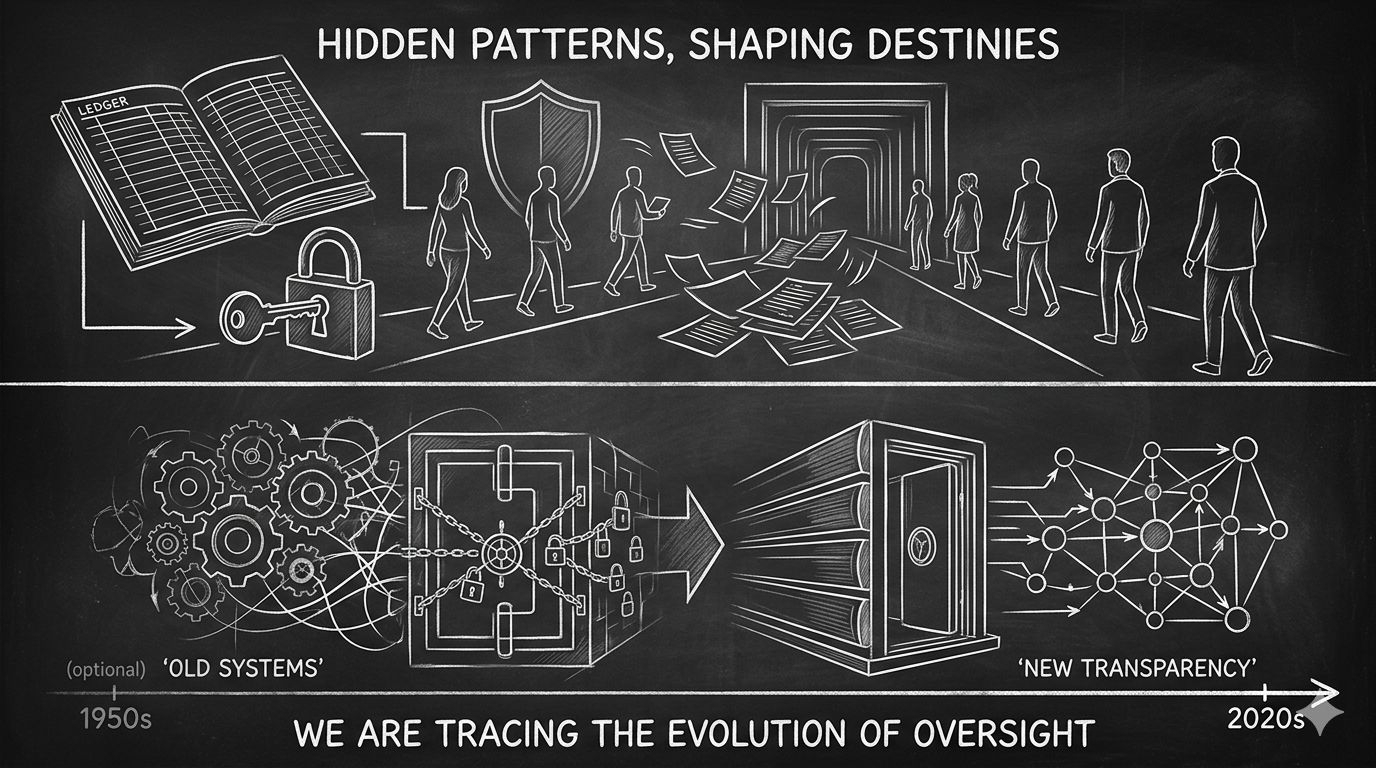
That CreatorPad moment—staring at the schema templates and the way attestations link claims without a single central database—triggered it because it exposed the quiet assumption underneath. We celebrate self-sovereign models as liberation from governments and big tech, yet the real friction isn’t technical. It’s that someone still has to issue the initial credential, define what counts as valid, and maintain the schemas. When that power moves on-chain and gets distributed across protocols and institutions, the authority becomes diffused, which sounds democratic until you need to challenge a wrong or biased attestation. Who do you appeal to when the issuer is a smart contract governed by anonymous token holders or a national sovereign node?
This goes beyond any single project. In everyday crypto life we act as if verifiable credentials will solve sybil attacks, fake profiles, and trust gaps by default. We downplay how much our current systems still lean on off-chain reputation, social signals, or centralized exchanges for onboarding. The promise of portable, cross-chain identity sounds clean on paper, but it risks replacing visible institutions with invisible consensus layers where disputes feel abstract and resolution mechanisms stay underdeveloped. People forget that identity isn’t just data—it carries consequences for loans, visas, benefits, or simply being believed in a transaction. When those stakes meet programmable rules and selective disclosure via zero-knowledge proofs, the average user might gain privacy in theory but lose clarity in practice about who ultimately decides what “truth” looks like on the ledger.
SIGN serves as a clear example here, not as a solution pitched in hype, but as infrastructure that governments and institutions are exploring to bridge national digital identity with on-chain attestations. It shows the attempt to make verification native and sovereign-grade, handling things like credentials for services without forcing everything through one database. Yet even in that framing, the architecture highlights the tension: sovereign control meets decentralized verification, and the handoff point is where the old power dynamics don’t disappear—they just get re-coded.
The deeper issue is cultural more than cryptographic. We’ve spent years in crypto pushing the narrative that code is law and users are sovereign, but human societies have never scaled trust purely through technology without some form of accountable governance. Pretending otherwise risks building systems where errors or abuses are permanent because they’re “immutable,” or where only the technically literate can navigate disputes. It disturbs me because it challenges the comforting story that decentralization equals fairness by design. Sometimes it just shifts the burden onto users who are least equipped to bear it.
What if the next generation of internet identity forces us to admit that real sovereignty requires not just better tech, but clearer mechanisms for when that tech gets it wrong?