
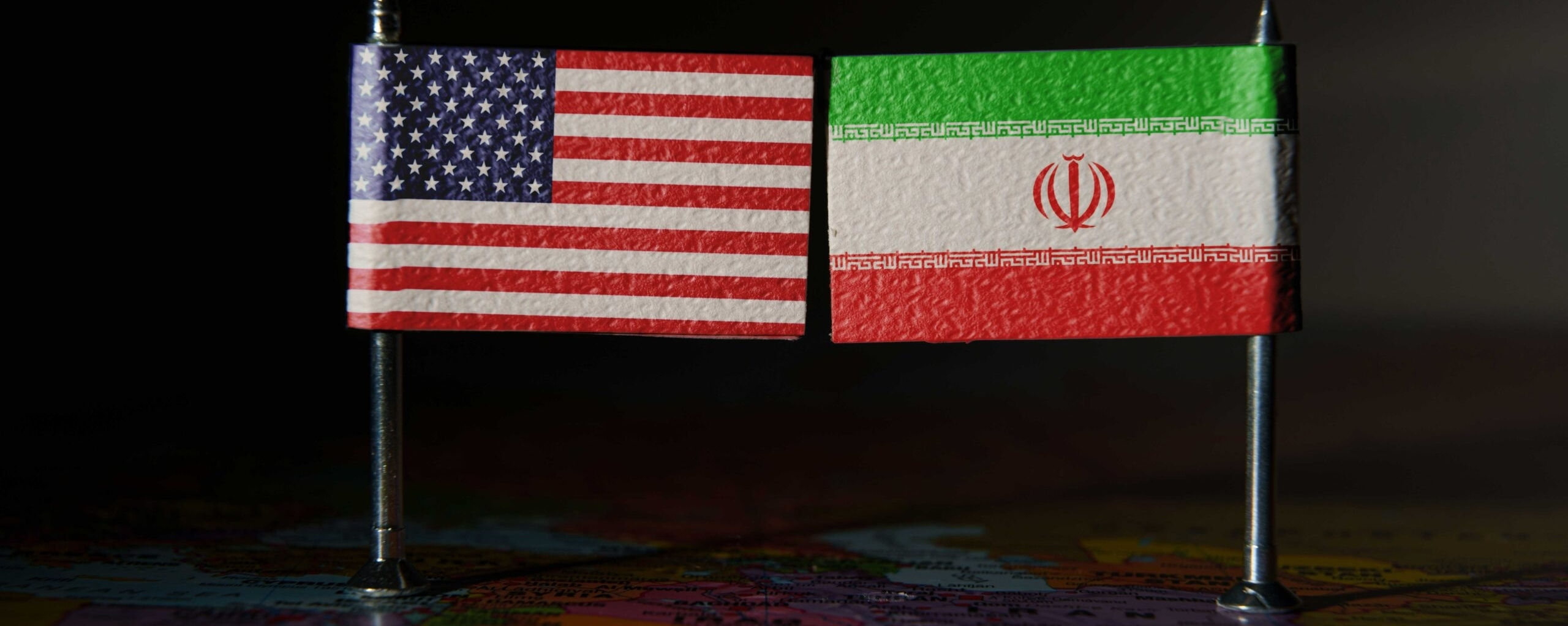
Islamabad, Pakistan – 12 kwietnia 2026: Wysokiego szczebla negocjacje pokojowe między Stanami Zjednoczonymi a Iranem zakończyły się wczesnym rankiem w niedzielę bez umowy, po około 21 godzinach intensywnych dyskusji w stolicy Pakistanu.
Wiceprezydent USA JD Vance, który prowadził amerykańską delegację, ogłosił wynik krótko przed odlotem z Islamabad. "Dobrą wiadomością jest to, że odbyliśmy szereg rzeczowych dyskusji z Irańczykami," powiedział Vance. "Złą wiadomością jest to, że nie osiągnęliśmy porozumienia. I myślę, że to zła wiadomość dla Iranu znacznie bardziej niż dla Stanów Zjednoczonych Ameryki."
Vance stwierdził, że Iran odmówił przyjęcia kluczowych warunków USA, szczególnie pozytywnego zobowiązania do wstrzymania programu nuklearnego i rezygnacji z jakiejkolwiek drogi do rozwijania broni nuklearnej - kluczowego celu dla amerykańskiej strony. Opisał pozycję USA jako ich "najlepszą i ostateczną ofertę" pod przewodnictwem prezydenta Donalda Trumpa, dodając, że Irańczycy "zdecydowali się nie zaakceptować naszych warunków."
Iran przedstawił bardziej wyważoną ocenę. Irańskie Ministerstwo Spraw Zagranicznych opisało rozmowy jako "intensywne" i zauważyło pewien postęp w kwestiach takich jak Cieśnina Ormuz. Jednak rzecznik wskazał, że negocjacje załamały się w związku z "dwoma lub trzema ważnymi kwestiami", wzywając Waszyngton do unikania "nadmiernych żądań i bezprawnych próśb."
Pakistańscy urzędnicy, którzy mediowali w procesie trójstronnym, wezwali obie strony do utrzymania istniejącego kruchego zawieszenia broni i unikania eskalacji.
Historyczne, ale trudne rozmowy
Te rozmowy oznaczały najwyższy poziom bezpośredniego zaangażowania między USA a Iranem od dziesięcioleci - pierwsze tego typu od Rewolucji Islamskiej w 1979 roku. Celem rozmów było umocnienie tymczasowego dwutygodniowego zawieszenia broni, które weszło w życie na początku kwietnia po ostatnich akcjach wojskowych z udziałem USA, Izraela i Iranu, w tym atakach na irańskie obiekty związane z nuklearnym programem.
Szerokie tematy agendy obejmowały zakończenie konfliktów regionalnych, zabezpieczenie Cieśniny Ormuz (kluczowego globalnego punktu dostępowego do ropy), omówienie ulgi w sankcjach oraz stabilizację sytuacji w takich miejscach jak Liban. Delegacja USA, w skład której wchodzili m.in. specjalny wysłannik Steve Witkoff i Jared Kushner, działała zgodnie z jasnymi wytycznymi od prezydenta Trumpa.
Pomimo długości i treści sesji, głęboko zakorzeniona nieufność - zaostrzona przez lata napięć, w tym wycofanie się USA z umowy nuklearnej JCPOA z 2015 roku - uniemożliwiła przełom.
Aktualna sytuacja
Zawieszenie broni pozostaje na razie w mocy, ale jego trwałość jest niepewna w obliczu impasu w kwestiach nuklearnych i innych kluczowych sporów. Pakistańscy mediatorzy podkreślili potrzebę dalszej powściągliwości, aby zapobiec wznowieniu działań wojennych.
Rynki wykazały pewną zmienność w odpowiedzi, z obawami o potencjalne zakłócenia dostaw energii przez Cieśninę Ormuz.
Prezydent Trump był na bieżąco informowany w trakcie procesu i wcześniej wyrażał optymizm co do osiągnięcia porozumienia. Niepowodzenie podkreśla złożoność bezpośredniej dyplomacji między tymi dwoma narodami po długotrwałych pośrednich lub mediacyjnych wysiłkach w takich miejscach jak Oman.
Sytuacja wciąż szybko się rozwija. Dalsze wydarzenia mogą obejmować wznowienie pośrednich rozmów, dodatkową mediację lub zmiany na gruncie, które przetestują zawieszenie broni. Obserwatorzy będą uważnie śledzić oświadczenia z Waszyngtonu, Teheranu i Islamabad w nadchodzących godzinach i dniach.