
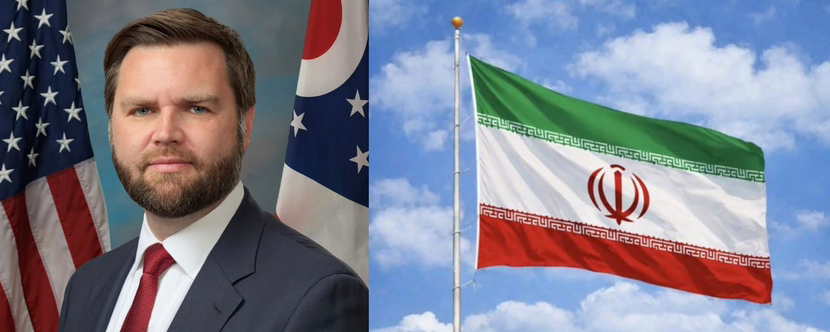


The collapse of high-level negotiations in Islamabad marks a critical turning point in the U.S.–Israel conflict with Iran. Despite senior officials engaging for over 21 hours on April 11–12, 2026, the talks ended without a resolution. U.S. Vice President JD Vance identified Iran’s refusal to abandon its nuclear weapons ambitions as the primary reason for the breakdown, describing the demand as non-negotiable.
This diplomatic failure follows a period of intense regional escalation that began in February with strikes on Iranian infrastructure and subsequent retaliatory drone and missile attacks. Beyond the nuclear program, the parties remain deeply divided over the Strait of Hormuz, sanctions relief, and regional influence. Tehran has criticized the United States for making maximalist demands, while Washington has responded by announcing plans for a maritime blockade of Iranian ports.
The fallout from these failed discussions is already impacting global energy markets and heightening military tensions. While Pakistani mediators are attempting to keep diplomatic channels open, the fundamental contradiction between Western security concerns and Iranian sovereignty remains unresolved. The region now faces an increasingly uncertain future as the risk of renewed escalation continues to grow.