
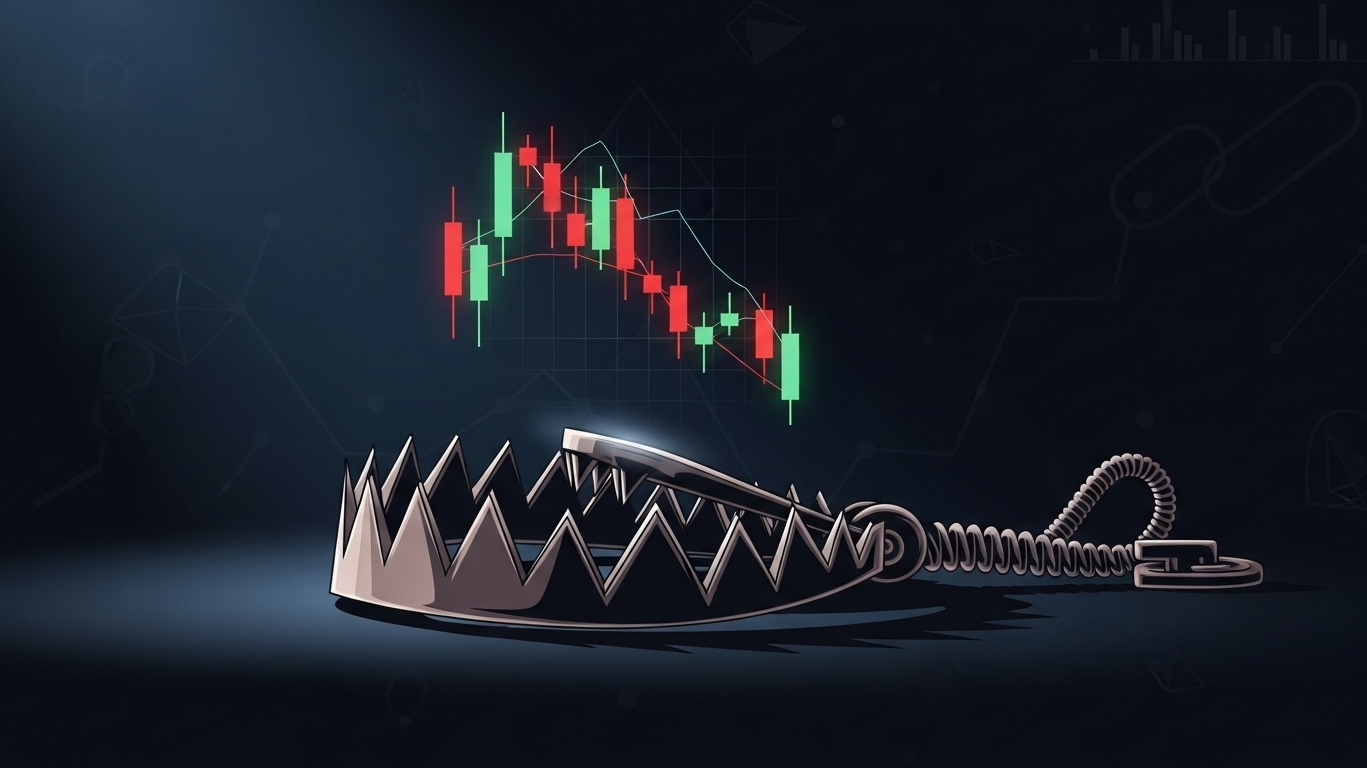
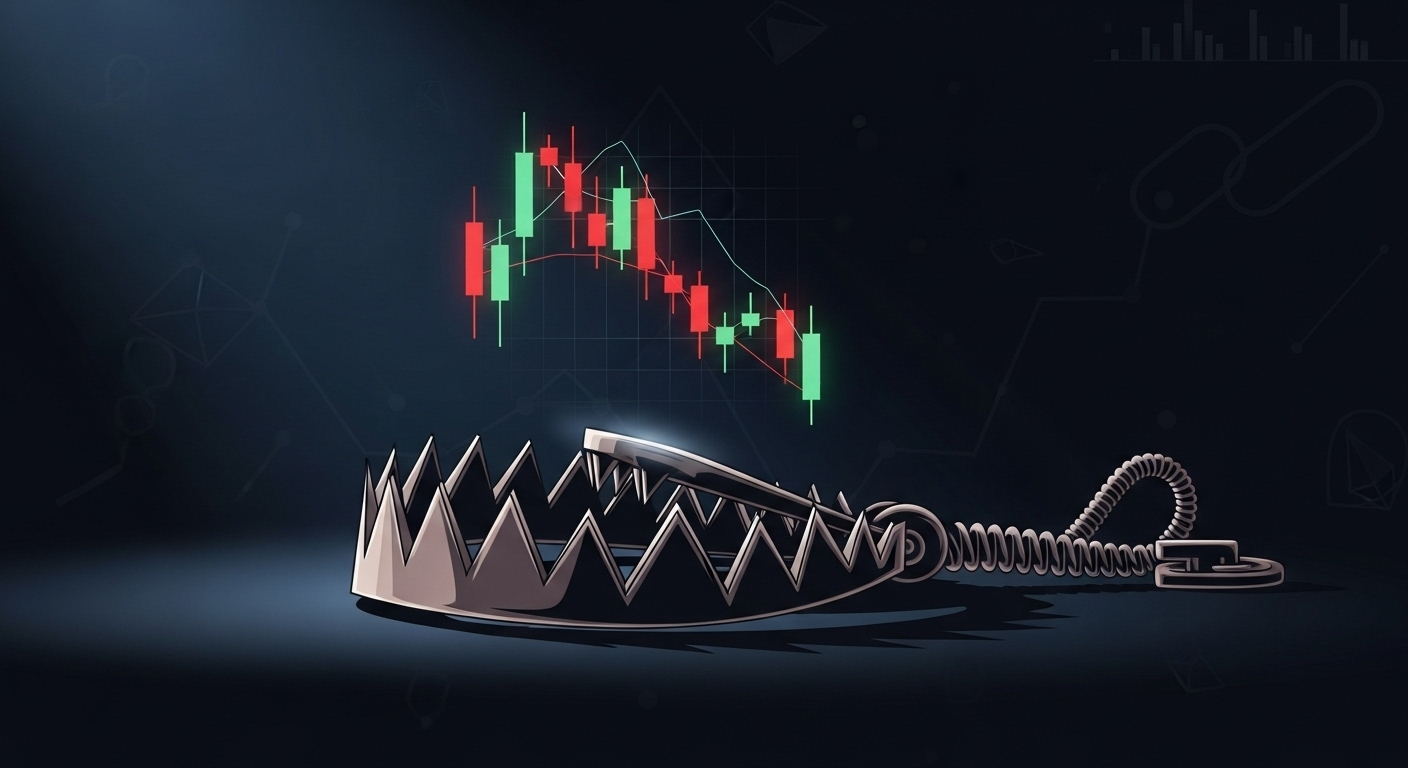
Stop for a moment. Before your next trade… read this carefully.
Most traders spend their time blaming the market. They point fingers at volatility, market makers, whales, or manipulation. It feels easier that way. But the truth is far less comfortable—and far more important.
Your portfolio isn’t being destroyed by the market.
It’s being destroyed by how you enter it.
---
The Real Problem: Reactive Trading
The majority of traders don’t enter with a plan—they react.
A coin starts pumping. Green candles stack up. Social media explodes with hype. Suddenly, the fear of missing out kicks in. Your mind starts racing:
"What if this keeps going?"
"What if I miss the move?"
So you jump in.
But here’s the harsh reality:
That exact moment—when everything looks the strongest—is often where the risk is the highest.
You’re not buying opportunity.
You’re buying late.
---
Why Late Entries Destroy Portfolios
Markets don’t move in straight lines. Even the strongest trends breathe—they pull back, consolidate, and reset.
But when your entry is poor, even a normal pullback feels like a disaster.
Instead of being in profit with room to breathe, you’re instantly in the red.
Now you’re stuck in a painful decision:
Panic sell and lock in a loss
Hold and hope the market saves you
Neither option is part of a strategy. Both are emotional reactions.
And this is where the slow bleed begins.
---
Death by a Thousand Small Mistakes
It’s rarely one big loss that destroys a portfolio.
It’s the repetition of small, avoidable mistakes:
Chasing pumps
Ignoring structure
Entering without confirmation
Trading based on emotion, not logic
Each trade feels insignificant on its own. But over time, they compound into something dangerous.
Your capital drains quietly. Your confidence drops. Your discipline disappears.
---
The Hidden Trap: Position Sizing
There’s another layer to this problem—and it’s even more dangerous.
When do traders usually go bigger?
When they feel confident.
And when do they feel confident?
After seeing strong green candles.
But that confidence isn’t based on analysis—it’s based on emotion.
So what happens?
You risk more… at the worst possible time.
One bad entry combined with oversized risk doesn’t just hurt—it hits hard.
---
The Emotional Spiral
A bad trade rarely ends with just a loss.
It triggers a chain reaction:
1. Loss creates frustration
2. Frustration leads to impulsive decisions
3. You take another trade quickly (revenge trading)
4. That trade also fails
5. Now the damage doubles
This isn’t bad luck.
It’s a repeating pattern—and if left unchecked, it will destroy even the most funded accounts.
---
What Successful Traders Do Differently
Profitable traders aren’t smarter. They’re not luckier.
They’re simply more disciplined about one thing:
Their entries.
They don’t chase price.
They don’t trade emotions.
They don’t react—they prepare.
Instead, they:
Wait for price to come to their levels
Enter only after confirmation
Define risk before entering a trade
Accept that missing a trade is better than forcing one
They understand a powerful truth:
You don’t need every opportunity—just the right ones.
---
Fix This, Fix Everything
Right now, your portfolio doesn’t need a miracle coin.
It doesn’t need the next big pump.
It needs discipline.
Because when you fix your entries:
Your risk becomes controlled
Your losses become smaller
Your emotions become manageable
Your decisions become sharper
And that’s where consistency is born.
---
Final Thought
The market will always provide opportunities. Every day, every week, every cycle.
But if you keep entering at the wrong time…
even the best opportunities will turn against you.
So before your next trade, pause—and ask yourself honestly:
Am I entering with a plan… or just reacting again?