

Let’s face the problem as it is. Web3 gaming scares off a lot of people who haven’t touched crypto before. There’s just too much to learn up front—wallets, seed phrases, gas fees, the whole blockchain thing. Most folks look at that mess and walk away. For Pixel to really take off, it needs to turn regular gamers into comfortable crypto users. That means onboarding has to be simple, smart, and a little bit invisible.
Easy Wallets
Pixel tackles this with built-in wallets that don’t ask players to jump through crazy hoops. Instead of telling everyone to go make a MetaMask and memorize weird codes, Pixel can just let you sign up with your email and password—just like any regular game. They can use trusted wallet partners like Gnosis Safe or Sequence to keep things smooth and secure. No seed phrases, no “Oh no, my crypto’s gone forever because I lost a piece of paper.”
The game also needs to teach players just enough. Think quick, hands-on tutorials that show what a wallet does, why it matters, and a few tips to stay safe—without drowning people in technical terms.
Gas Fees that Don’t Sting
Sure, gas fees on Ronin are low, but for most players, even a few cents and the idea that actions “cost” something still feels weird. Pixel can make this easier by:
– Covering the first few transactions, so new players don’t worry about spending money right away
– Bundling up actions behind the scenes, so you’re not hit with a fee for every move
– Just telling you straight up, “Minting this NFT costs $0.50,” instead of hiding it in cryptic messages
– Letting you play a while without worrying about gas at all—only bringing it up when you’re ready
Learning as You Go
Nobody wants a pop quiz on “What’s a smart contract?” Pixel gets it. So instead, it can teach crypto concepts in context. Maybe you earn tokens in-game and start to pick up how they work. Or you trade with someone and see a quick tooltip about the market. Need more? There’s a glossary, clear tooltips, YouTube explainer videos, Discord guides, and even partnerships with sites like CoinMarketCap Academy for anyone who wants to dive deeper.
Baby Steps into Web3
The trick is to roll out crypto features a little at a time:
1. First week: Play the game, don’t worry about wallets—one gets made for you automatically.
2. Next week: Start earning in-game money (still not blockchain yet, so no pressure).
3. After that: Time to try minting your first NFT, with a step-by-step walkthrough.
4. Eventually: Learn trading and how to work with other players.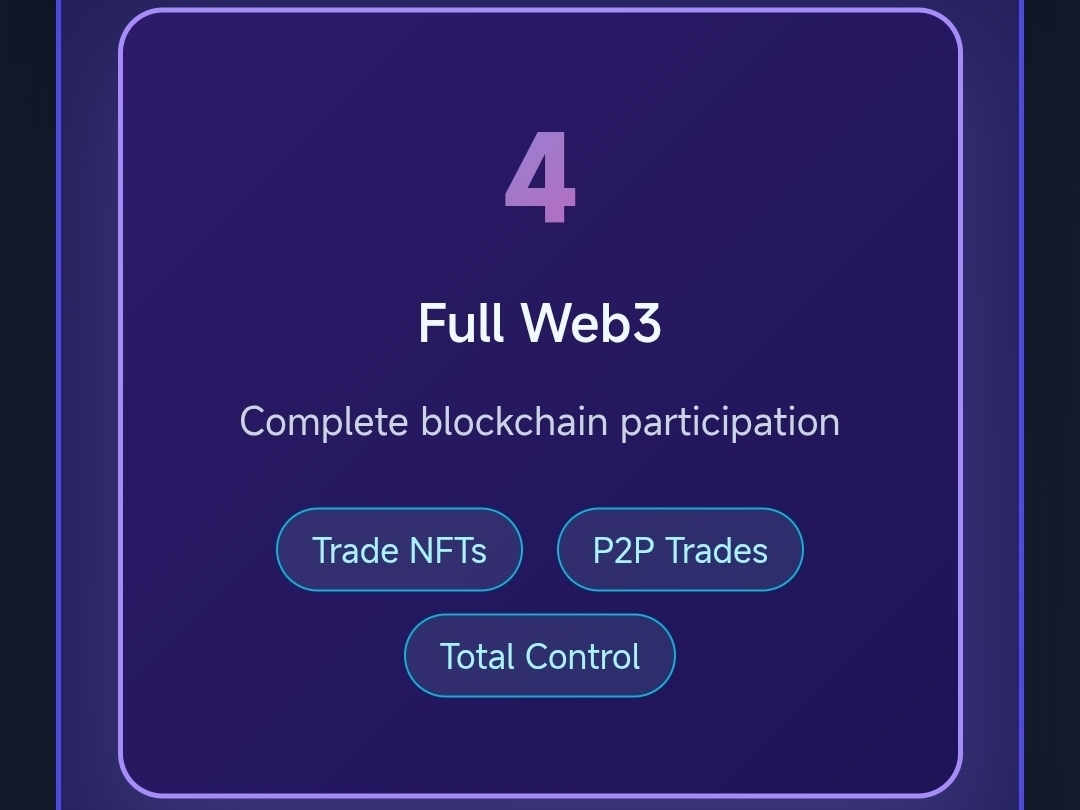
Real People, Real Help
Pixel can’t do it all with popups and tooltips. Sometimes you need a real person. That’s where community ambassadors come in—veteran players willing to answer questions, guide newbies, and make the world of Web3 feel friendly instead of intimidating.
The Big Picture
Getting onboarding right turns crypto from a scary wall into a welcome mat. If new players feel like blockchain just “works”—that it helps and isn’t required or overwhelming—Pixel stands a real chance at winning over the masses. This way, Web3 doesn’t feel like some wild leap. It’s just the next step in gaming.