
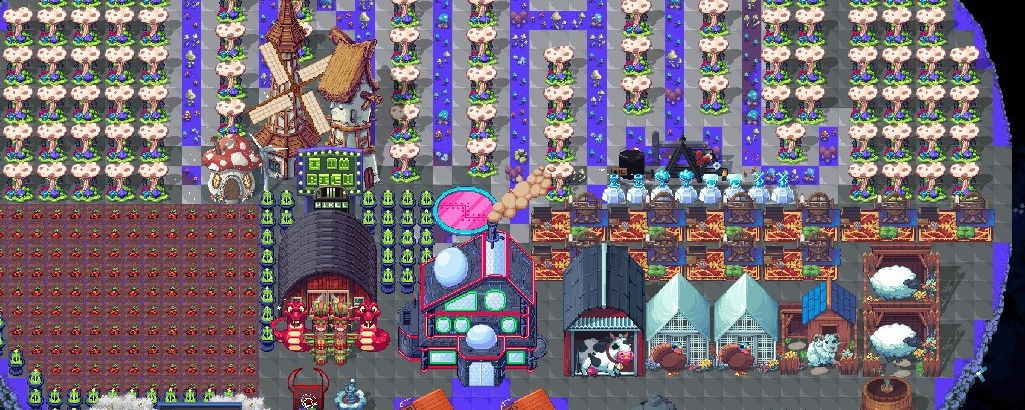
In most Web3 gaming projects, the biggest challenge isn’t attracting players, it’s keeping them. Hype can bring users in, but only meaningful gameplay keeps them active. This is where @Pixels takes a noticeably different direction by focusing on long-term engagement instead of short-term reward cycles.
Rather than building a system centered purely on earnings, Pixels integrates progression, resource management, and social interaction into a single loop. Players don’t just perform repetitive actions; they make decisions that affect how their in-game world evolves. This shift from “farm and earn” to “build and sustain” is what gives the ecosystem more depth.
The pixel token plays a supporting but essential role in this structure. Instead of being the only reason to participate, it functions as a utility layer that connects different parts of the game economy. Upgrades, trading, and progression systems are all tied into it, which gives the token purpose beyond speculation. When a token has real in-game utility, it naturally gains more stability over time.
Another interesting aspect of pixels is how it structures player progression. Advancement is not purely linear or pay-driven. Instead, it rewards consistency, planning, and smart use of resources. This design makes the experience feel less like a race and more like a gradual build-up of assets and influence within the game world.
Community interaction also plays a major role in retention. Players are encouraged to collaborate, trade, and share strategies rather than operate in isolation. This adds a social dimension that strengthens engagement and makes the ecosystem feel alive. In many ways, the community becomes part of the gameplay itself, not just an audience around it.
What stands out most is the development approach. Pixel doesn’t seem to rely on one big release or marketing push. Instead, it continues to evolve through steady updates and refinements. This iterative model helps the game adapt to player behavior while improving balance and usability over time. That kind of consistent development is often what separates short-lived projects from lasting ecosystems.
There are still challenges ahead, especially around maintaining balance between growth and economic sustainability. Web3 games often struggle with inflationary token models or declining user activity after initial hype phases. However, Pixels appears to be addressing these issues by focusing more on gameplay quality and long-term structure rather than quick expansion.
If this approach continues, pixels could become an example of how Web3 games should be designed in the future, where retention comes from enjoyment, not just incentives. A system where players stay not because they have to, but because the experience is genuinely engaging.
Ultimately, Pixels is not just experimenting with blockchain gaming mechanics; it’s attempting to reshape how digital economies and player experiences interact.
