
The gaming industry is undergoing a major transformation, and Web3 is at the center of this shift. For years, traditional games have operated on closed ecosystems where players invest time, effort, and sometimes money—yet own nothing of real value outside the game. That model is now being challenged by blockchain-powered games that introduce true ownership, open economies, and community-driven growth.
One of the most notable examples of this evolution is @Pixels , a project that combines familiar gameplay elements with blockchain infrastructure to create a new type of digital experience. Instead of focusing purely on speculation or token rewards, this ecosystem emphasizes gameplay, progression, and long-term sustainability.
What Makes This Game Different from Traditional Gaming?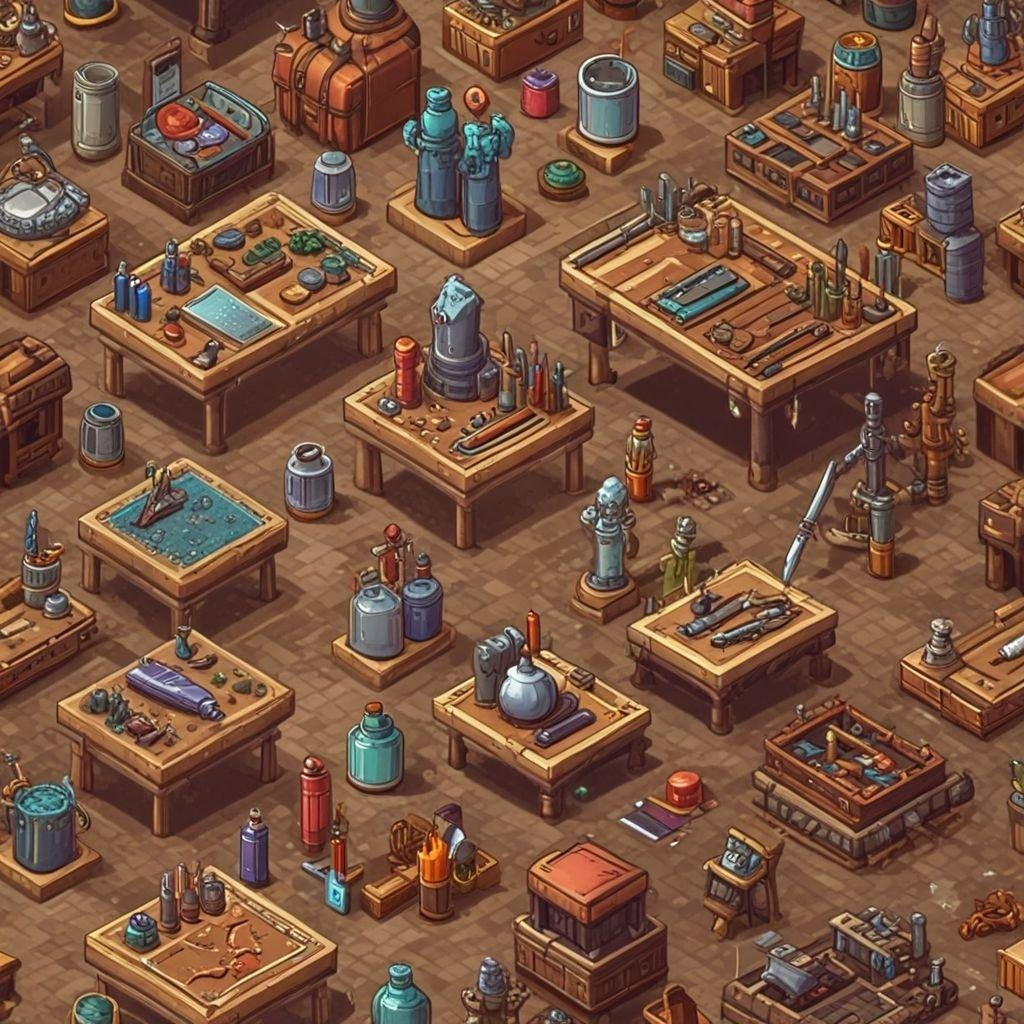
At its core, this Web3 farming MMO blends open-world exploration with social interaction and resource management. Players can farm crops, gather materials, craft items, and trade with othersall within a decentralized environment
Unlike traditional games, where in-game assets are locked within centralized servers, this model allows players to own their assets as NFTs. This means land, items, and even pets can carry real value outside the game itself.
This shift introduces a powerful concept: time spent in-game can translate into tangible digital ownership
The Role of $PIXEL in the Ecosystem
A major component of this ecosystem is its native token, $PIXEL. Rather than being a simple reward mechanism, it serves multiple purposes within the game economy.
Players can use it for:
* Unlocking premium features
* Participating in guild systems
* Minting pets and assets
* Enhancing gameplay progression
This multi-layered utility ensures that the token is not just speculative but deeply embedded in the ecosystem’s functionality
Additionally, the presence of both off-chain and on-chain currencies creates a balanced economic structure. While in-game coins support everyday activities, $PIXEL acts as a higher-value asset tied to long-term engagement and ecosystem growth.
Gameplay: Simple on the Surface, Strategic at the Core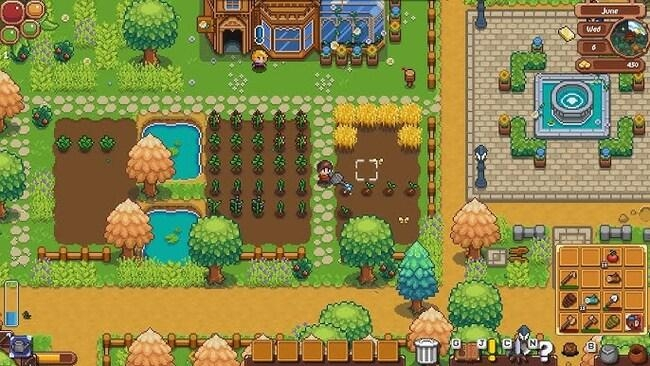
At first glance, the gameplay may seem simple farming, crafting, and trading. However, beneath that simplicity lies a strategic system driven by resource management and decision-making.
Players must carefully manage:
* Energy consumption for actions
* Resource allocation
* Market dynamics for trading goods
* Long-term upgrades and land utilization
Energy, for example, acts as a limiting factor, requiring players to plan their activities efficiently. Every action whether planting crops or mining resources consumes energy, making optimization a key part of success.
This creates a gameplay loop that is both engaging and rewarding, encouraging players to think beyond short-term gains.
The Importance of Community and Social Interaction
One of the defining features of this ecosystem is its strong focus on community. Unlike many early GameFi projects that prioritized earnings over engagement, this model integrates social interaction directly into the gameplay.
Players can:
* Join guilds
* Collaborate on tasks
* Trade resources
* Host activities on their land
This social layer transforms the experience from a solo activity into a collaborative environment. It also strengthens retention, as players become part of a broader ecosystem rather than just individual participants.
The importance of community cannot be overstated successful Web3 projects often rely on active, engaged user bases to sustain long-term growth.
Scalability and Growth: A Million-User Ecosystem
One of the most impressive aspects of this project is its rapid growth. By leveraging the Ronin Network, a blockchain optimized for gaming, it has achieved massive scalability and user adoption.
Reports indicate:
* Over 1 million daily active users
* A rapidly expanding player base
* Strong community engagement across platforms
This level of activity is significant in the Web3 space, where many projects struggle to maintain consistent user participation
The migration to Ronin played a crucial role in this success, offering lower transaction costs and better performance two critical factors for any blockchain-based game.
Economic Design: Moving Beyond “Play-to-Earn”
Early GameFi models often relied heavily on “play-to-earn,” where users participated primarily for financial rewards. While this attracted initial attention, it proved unsustainable in many cases.
This ecosystem takes a different approach by focusing on:
* Gameplay-first design
* Balanced tokenomics
* Long-term player retention
Instead of rewarding users purely for participation, it encourages skill, strategy, and consistency. This shift represents a more mature phase of Web3 gaming, often described as “play-and-own” or “play-and-grow
By aligning incentives with actual engagement, the ecosystem reduces reliance on speculative inflows and creates a more stable environment.
NFT Ownership and Digital Assets
A key innovation in this model is the integration of NFTs into gameplay. Players can own:
* Land plots
* Pets
* In-game items
These assets are not just cosmetic they directly impact gameplay and earning potential. For example, land ownership allows players to generate resources or even earn passive income by renting it to others
This creates a layered economy where ownership and participation are interconnected, giving players multiple ways to engage and benefit.
The Future of Web3 Gaming
The success of projects like this signals a broader trend in the gaming industry. As blockchain technology matures, we are likely to see more games adopting similar models that prioritize:
* Player ownership
* Open economies
* Interoperability of assets
* Community-driven development
The integration of these elements has the potential to reshape how players perceive value in games. Instead of being passive consumers, players become active participants in evolving digital ecosystems.
Final Thoughts
The transition from traditional gaming to Web3 is still in its early stages, but the direction is becoming increasingly clear. Projects that combine engaging gameplay with meaningful economic systems are leading the way.
$PIXEL stands at the intersection of gaming and decentralized finance, offering a glimpse into what the future of interactive entertainment might look like. By focusing on sustainability, community, and real utility, this ecosystem demonstrates that Web3 gaming can move beyond hype and deliver lasting value.
As adoption continues to grow, it will be fascinating to see how this model evolves and whether it becomes the new standard for the gaming industry.
#pixel 🚀