

Crypto gaming is no longer driven by hype alone. The real shift is happening at the level of token design, where structure and sustainability are starting to matter more than short-term attention. PIXEL is a good example of this transition, showing how a Web3 game can build a more balanced and durable economy instead of relying on temporary excitement.
The foundation starts with supply design. With a total supply of 5 billion tokens, the distribution is structured to support players, investors, and the broader ecosystem together. That balance matters, because it reduces the risk of concentration and creates a system where growth is shared rather than controlled by a few early holders.
A key detail is how supply enters the market. Only a small portion was initially in circulation, while the majority is locked and released gradually over time. This slows down early selling pressure and gives the project space to build real demand before large amounts of tokens unlock. In volatile markets, that kind of pacing can make a noticeable difference in stability.
The ecosystem allocation also stands out. A significant share is reserved for rewards and incentives, which puts active users at the center of the system. Instead of front-loading value to insiders, the design encourages participation and long-term engagement. When users are consistently rewarded for activity, the network becomes more active and resilient.
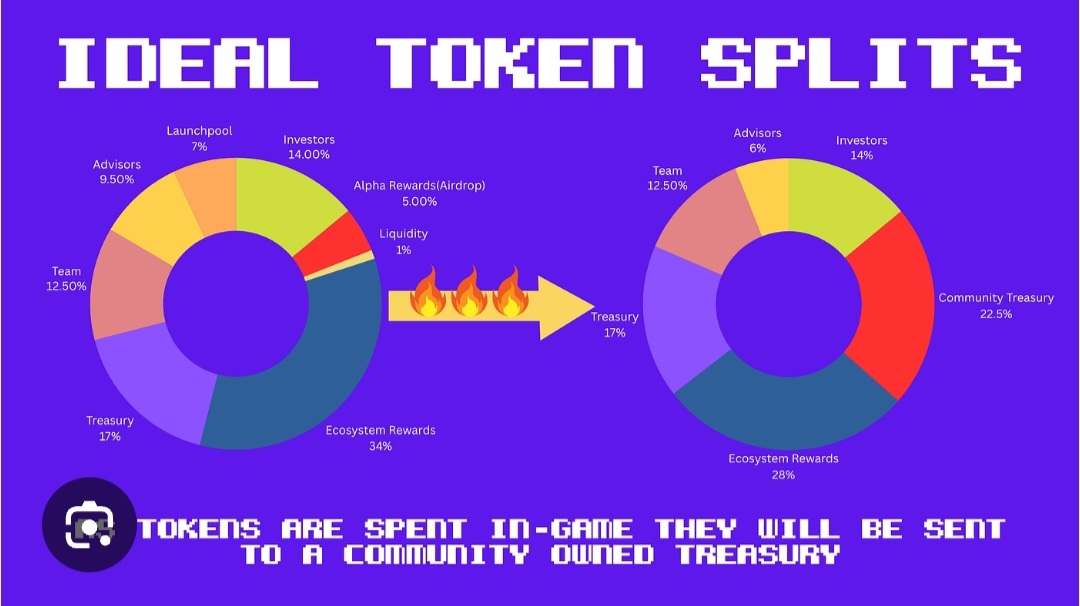
At the same time, allocations to the team and early contributors follow structured vesting schedules. Tokens are unlocked gradually rather than all at once, which aligns incentives with the long-term success of the project. This kind of design helps build trust, because it reduces the risk of sudden large-scale selling.
The release timeline extends across multiple years, with limited unlocks in the early phase. This controlled emission helps manage inflation and allows demand to grow alongside supply. However, it also introduces important moments—specific unlock events that can create short-term volatility. For traders, tracking these timelines becomes essential for managing risk and planning entries or exits.
From a valuation perspective, there is also a gap between current market capitalization and fully diluted value. This means additional supply will enter the market over time, and whether price holds or grows will depend on one key factor: demand. If user growth and in-game activity continue to expand, the market can absorb new supply naturally. If not, unlock pressure may weigh on price.
What ultimately strengthens the model is utility. PIXEL is actively used within the game for upgrades, purchases, and progression. That creates organic demand based on usage rather than pure speculation. Combined with a reward system that encourages ongoing participation, it builds a feedback loop where engagement drives demand, and demand supports the economy.
Overall, Pixels reflects a more mature approach to GameFi. It is not designed for quick spikes, but for steady, structured growth. The real question going forward is not just about token unlocks, but whether the ecosystem can scale fast enough to match that incoming supply. If it does, PIXEL has a path toward becoming a sustainable digital economy rather than just another short-lived cycle.