
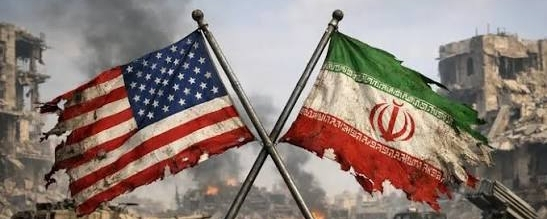
The growing tensions in the Middle East have now captured the attention of the entire world. The new tensions emerging between Iran and the United States have reached a critical point not only from a military perspective but also from an economic one.
Military Ubaid and Strategic Positions
According to recent reports, NATO bases and nuclear assets in the region are under threat. Troops in Turkey, where key US allies are present, are currently a target of tension. Iran has issued warnings indicating it intends to disrupt the supply chain across the Middle East if its energy facilities are targeted.
Energy Drowning and the Global Market
Iran's belief that it could target gas and oil supplies poses a significant threat to the global market.
Strait of Hormuz: If this vital route for maritime trade remains closed, further increases in oil prices are inevitable.
Oil Prices: According to market analysts, oil prices have breached $100 per barrel, placing a heavy burden on importers.
Russia's Role and Iqtisar Benefit
An interesting aspect of this complex situation is Russia's Iqtisar Benefit. Whenever oil prices rise due to tensions in the Middle East, Russia's revenue from energy exports increases exponentially. According to one estimate, Russia is earning billions of dollars in daily profits from this situation.
Challenges for America
This situation is proving to be a double-edged sword for America:
Major losses: The prolonged war or tension in the Gulf is costing the US billions of dollars daily.
Diplomatic Pressure: Iran's decision to take a tough stance and "end the war" is a major test for US diplomacy.
Summary
Current circumstances indicate that this tension in the Middle East is no longer just a war between two countries, but has taken the shape of a global conflict. If a peaceful resolution is not found, the world could face a major energy crisis and a financial crisis. $BTC