

I didn’t expect a game update to feel this… final, but when I first looked at Tier 5, it felt less like new content and more like a quiet shift in what the whole system is trying to become.
On the surface, it reads like a content drop. Nine new industries, a land management overhaul, a deconstruction system, buffs to forestry and animal care, and a fresh layer of taskboard exclusives. That’s a lot of moving pieces. But if you sit with it for a moment, the pattern underneath starts to show. This isn’t about adding more to do. It’s about tightening the loop so every action feeds something else.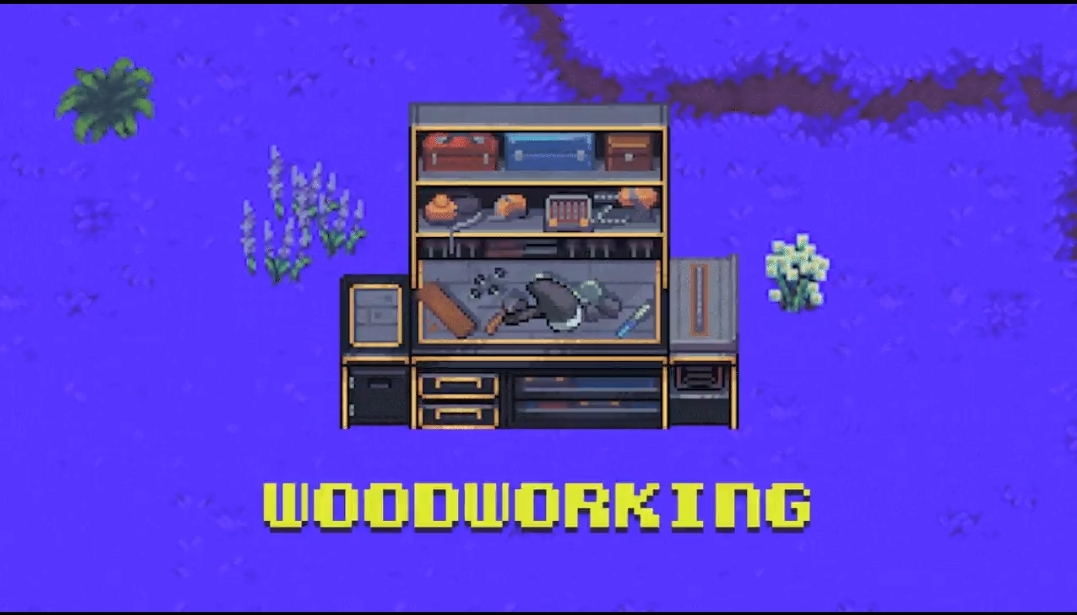
Take the land management system. Before this, land was mostly a static asset. You owned it, you used it, maybe optimized it a bit. Now it behaves more like a living layer of strategy. The introduction of multiple industries, nine in total, matters less as a number and more as a signal. Nine is enough to create overlap. Enough to force trade-offs. You can’t fully optimize all nine without spreading yourself thin, and that tension is where actual decision-making starts to appear.
And that’s where the texture changes. Because once land becomes dynamic, time becomes a real cost. You’re not just playing more, you’re choosing what not to do. That absence is important. It’s what creates value in whatever you do choose.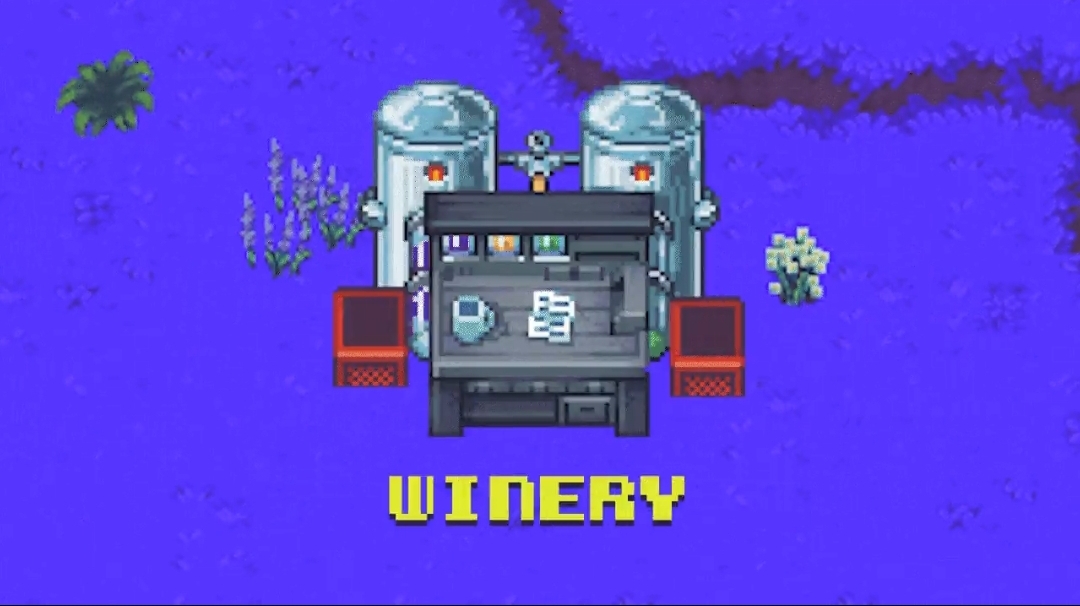
The deconstruction system is where things get more interesting. At a glance, it’s simple. Break down rare items, recover materials. But underneath, it quietly reshapes the economy. Previously, rare items had a one-directional lifecycle. You earned or bought them, used them, and eventually replaced them. Now there’s a loop. Items can be reversed into materials, which can then be reintroduced into production.
That creates a second market layer. Not just for finished goods, but for the components inside them. If one rare item yields, say, three to five key materials depending on its tier, and those materials feed into multiple industries, then suddenly scarcity isn’t just about drop rates. It’s about player behavior. Do people hold, recycle, or liquidate?
Understanding that helps explain why the new industries matter so much. More industries mean more demand vectors for the same pool of materials. A single component might now be useful in forestry upgrades, animal care buffs, and at least two production chains. That overlap increases competition for resources without needing to artificially limit supply.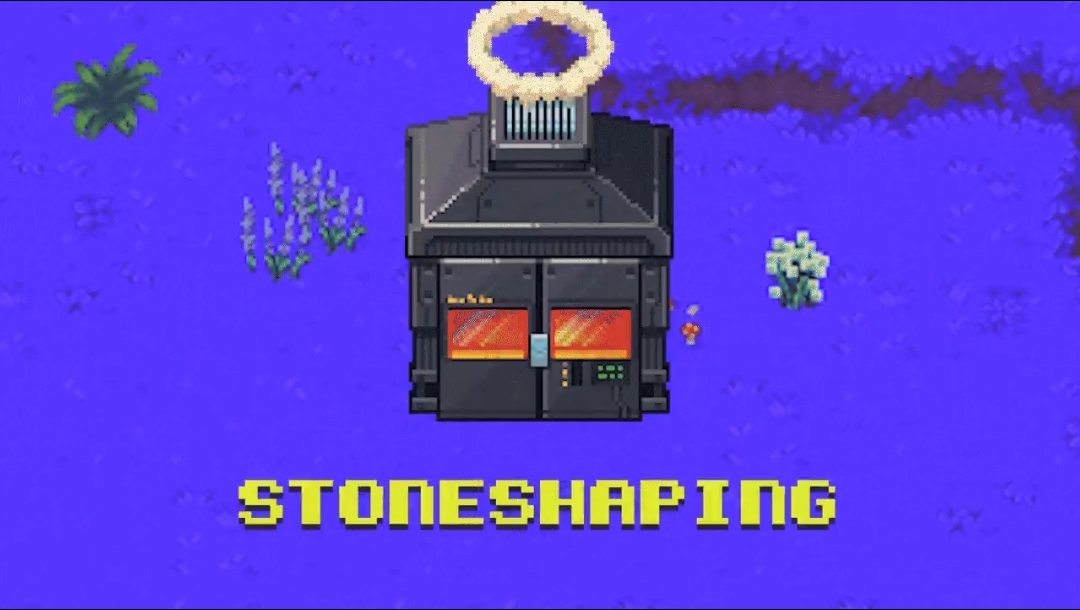
Meanwhile, the taskboard changes feel small but carry weight. Exclusive tasks tied to Tier 5 progression introduce controlled entry points into the system. Not everyone accesses everything at once. That slows down saturation. If only a portion of the player base can complete certain tasks at any given time, then rewards stay unevenly distributed. That unevenness is what keeps an economy from flattening too quickly.
You can see echoes of what’s happening in the broader market right now. Liquidity is thinner than it was during peak cycles. Attention is fragmented. Projects that survive aren’t the ones shouting the loudest, but the ones building loops that hold players quietly over time. Early signs suggest that systems with layered incentives, where one action unlocks two or three downstream effects, are keeping users longer than simple reward models ever did.
The forestry and animal care buffs fit into this more than they seem to at first. Buffs sound like minor adjustments, but they act as multipliers on time and effort. If a forestry upgrade increases yield by even 15 percent, that’s not just more output. It’s more input into the rest of the system. More materials entering circulation. More decisions about whether to use, trade, or deconstruct.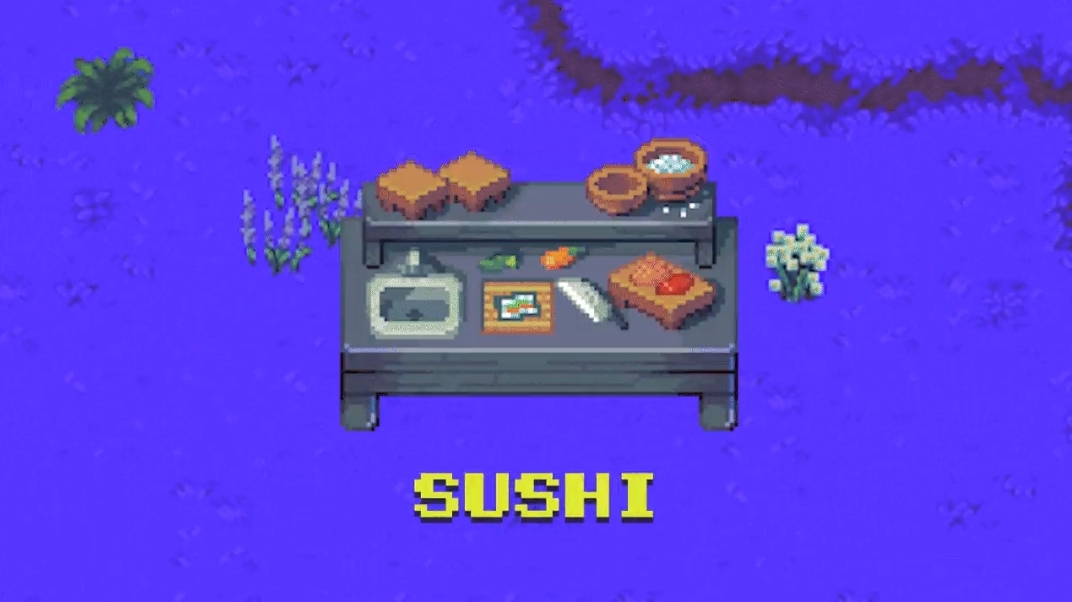
And when multiple players start making those decisions at scale, the system begins to self-balance. If too many people lean into one industry, supply rises, prices fall, and attention shifts elsewhere. That feedback loop is slow, but it’s steady. It feels earned rather than forced.
Of course, there are risks. Complexity can push players away just as easily as it pulls them in. Not everyone wants to think about resource flows or opportunity cost while playing. There’s also the question of whether the economy can sustain itself long term. If deconstruction introduces too many materials back into circulation, inflation becomes a real concern. If it’s too restrictive, then it feels pointless.
It also remains to be seen how quickly players adapt. Systems like this often look balanced on paper but behave differently once thousands of players start optimizing them. Someone always finds an edge. The question is whether that edge breaks the system or simply becomes part of it.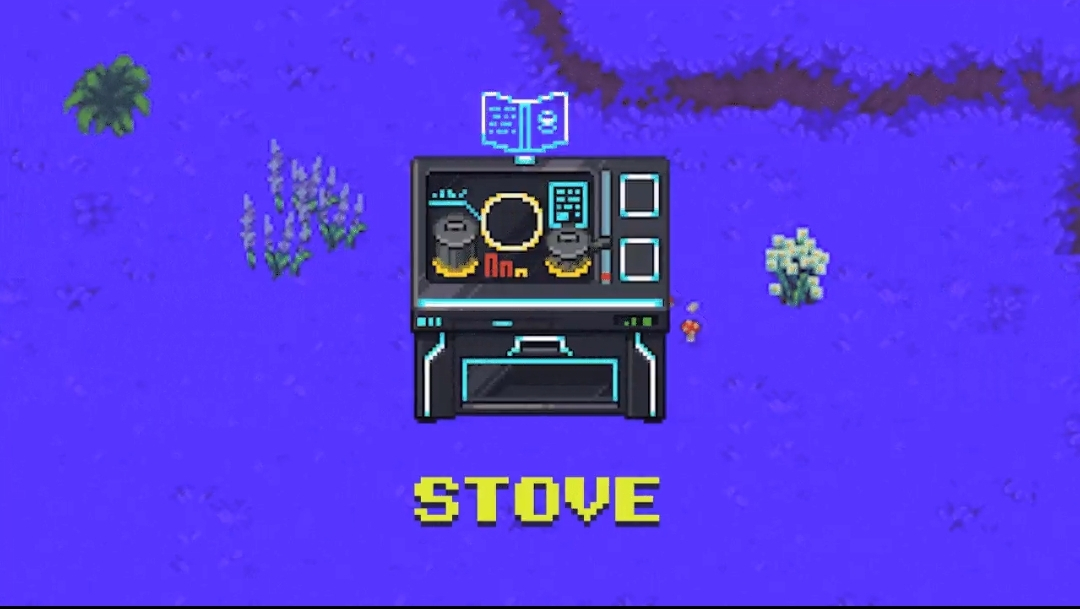
What struck me most, though, is how this changes the feeling of progression. Before, progression was mostly vertical. You moved up tiers, unlocked better tools, earned more rewards. Now it feels more horizontal. You expand across systems, not just through them. Progress isn’t just about getting stronger, it’s about getting more connected.
That momentum creates another effect. It makes time inside the game feel less repetitive. When actions feed into multiple systems, even familiar tasks start to feel different because their outcomes aren’t isolated anymore. Farming isn’t just farming if the output feeds into industry, which feeds into materials, which feeds back into land upgrades.
And that loop is the real endgame. Not Tier 5 itself, but the way everything starts circling back into everything else.
If this holds, it points to a broader direction for play-to-earn systems. Less focus on rewards as endpoints, more focus on systems that recycle value internally. The goal shifts from extracting value to sustaining it. That’s a harder problem to solve, but it’s also the only one that seems to last.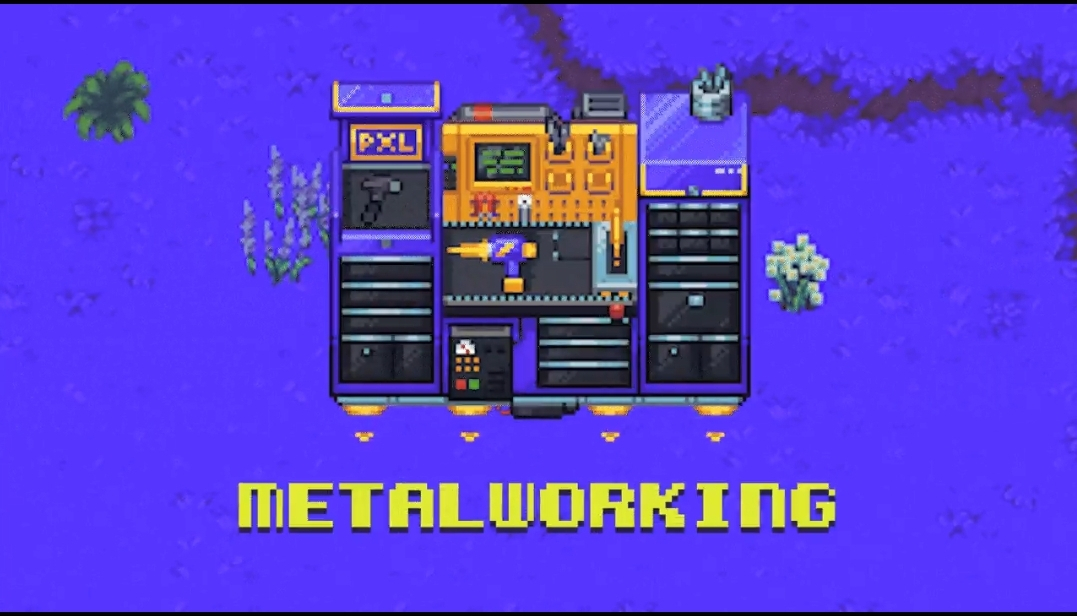
Because in the end, what keeps a system alive isn’t how much it gives you. It’s how many reasons it gives you to stay.
