
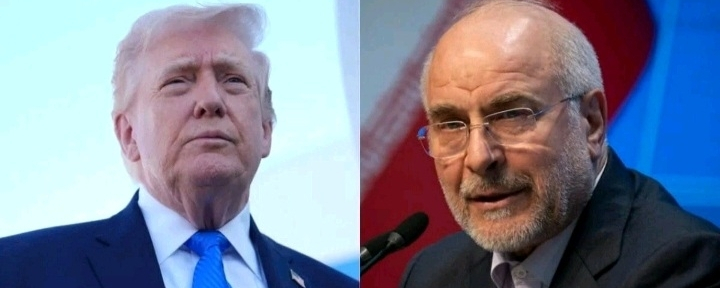
Iran Threatens Major Maritime Shutdown as U.S. Blockade Intensifies
Tensions between the United States and Iran have sharply escalated after Washington imposed a large-scale naval blockade targeting Iranian ports and trade routes. The move, enforced by the U.S. Central Command (CENTCOM), has already disrupted a significant portion of Iran’s maritime activity within just days.
According to military officials, the blockade began earlier this week and is being enforced by thousands of U.S. personnel, warships, and surveillance systems positioned around key waterways, particularly near the Strait of Hormuz and the Gulf of Oman. Ships attempting to enter or leave Iranian ports have been warned to turn back or face interception, with several vessels already reversing course under pressure.
Iran Calls Blockade “Illegal,” Issues Strong Warning
Iran has strongly condemned the blockade, calling it a violation of international law and labeling it as “piracy.” In response, Iranian military officials have issued a serious warning: if the blockade continues, Iran and its allies could move to disrupt major global shipping routes, including the Persian Gulf, Gulf of Oman, and potentially beyond.
Such threats highlight the growing risk of a wider regional conflict, especially as Iran has previously demonstrated its ability to impact key maritime chokepoints. Analysts note that any disruption in these areas could severely affect global energy markets, as a significant portion of the world’s oil supply passes through these waters.
Trade Impact Already Visible
The economic effects of the blockade have been immediate. Within the first 48 hours, multiple ships linked to Iranian trade halted or rerouted their journeys, effectively freezing a large portion of Iran’s seaborne commerce.
Shipping data indicates that vessels are either turning back, going dark on tracking systems, or avoiding the region entirely due to the risk of interception. This rapid decline in maritime traffic signals the effectiveness of the blockade—at least in the short term.
High-Stakes Global Implications
The situation has now evolved into a high-stakes geopolitical standoff. The U.S. has made it clear that it is prepared to escalate enforcement if necessary, including boarding or seizing vessels that violate the blockade.
Meanwhile, Iran’s threats to expand disruption across key shipping routes introduce a new layer of uncertainty. While Iran does not directly control all the waterways it mentioned, regional allies and proxy groups could potentially play a role in extending its reach.
Conclusion
What started as a naval restriction has quickly turned into a major geopolitical flashpoint. With global trade routes, oil supply chains, and regional stability at risk, the coming days will be critical in determining whether this crisis escalates further.