
Pixels Is Slowly Turning Into Something Bigger Than a Game
Most Web3 games tend to follow a familiar pattern: play, earn, repeat. In the beginning, it feels exciting. Rewards are appealing, players rush in, and everything looks active. But after some time, the energy fades. Not because the concept was flawed, but because the system wasn’t built to last.
Pixels, however, feels like it’s taking a different route.
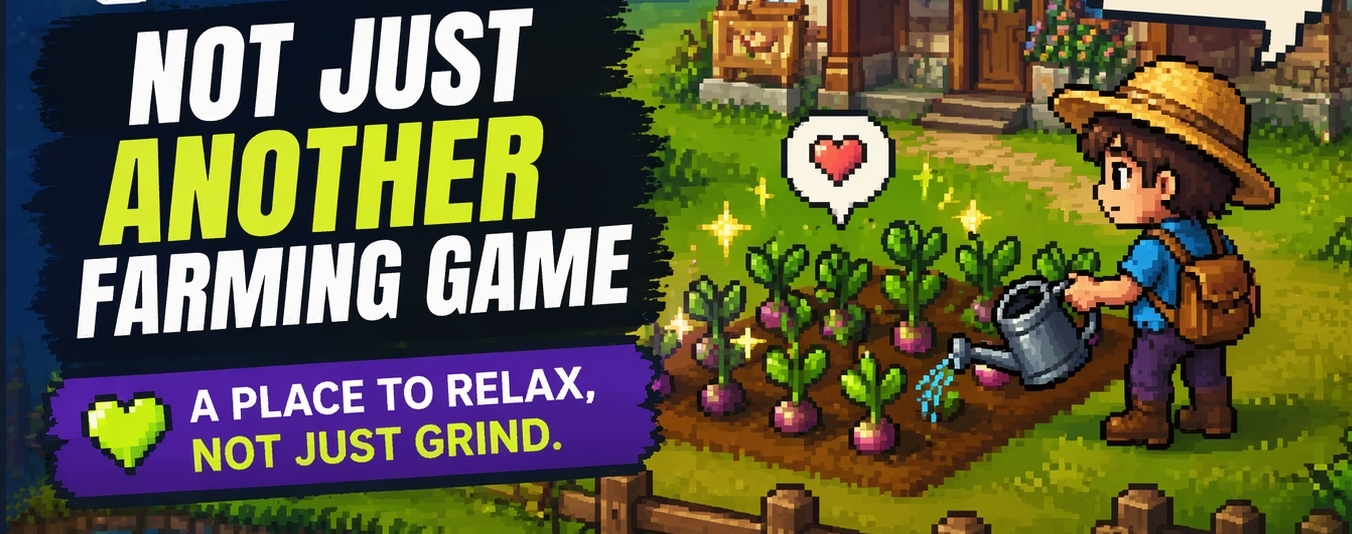
At first, it doesn’t seem like anything special. It’s a simple farming game—plant crops, collect resources, explore, maybe interact with a few players. On the surface, it’s easy to underestimate. But the longer you stay, the more the experience starts to change. You stop focusing on earning and start paying attention to your choices.
And that shift matters.
Instead of constantly pushing rewards, Pixels gives space. It doesn’t pressure you to maximize every move or chase efficiency at all costs. What it does instead is create a sense of continuity—where your actions actually connect over time. What you do today can shape what becomes possible tomorrow.
A big reason for that is how ownership works inside the game.
Land isn’t just there for show. It functions as part of the production system. Players who own land can create opportunities, while others use that space to farm, craft, and progress. Value begins to move between players rather than being handed out directly by the game. Gradually, different roles start to form—some players grind, others focus on strategy and positioning.
It starts to feel less like gameplay and more like a living system.
Features like Tier 5 add another layer to this. Progress isn’t only about time investment anymore. Access depends on resources, timing, and limited availability. Certain opportunities don’t stay open forever. With expiring slots, decisions carry real weight—you can’t just unlock something once and ignore it.
That small detail changes how people play.
Instead of rushing forward, players begin to think ahead. Timing, access, and planning become part of the experience. The focus naturally shifts from quick rewards to long-term positioning—something most Web3 games struggle to achieve.
Even the overall feel of the game plays a role here.
Running on the Ronin Network, Pixels feels smooth and responsive. There’s no constant friction slowing you down. That might seem minor, but it makes a huge difference. When a game feels easy to engage with, people stay. And when people stay, the system has time to mature.
What’s also interesting is how quietly it does all of this.
Pixels doesn’t constantly market itself as a “Web3 experience.” It simply presents itself as a game. You log in, play, explore, and interact. The blockchain side exists in the background, supporting the experience instead of taking it over.
That kind of balance is rare.
There’s no loud hype cycle driving attention. No aggressive push. But beneath that calm surface, something is slowly taking shape. Systems around ownership, access, timing, and decision-making are starting to connect in a way that feels natural.
And that’s usually how something real develops.
Not through sudden bursts of activity, but through steady, meaningful progression over time.
Pixels might not look revolutionary right now. But it’s quietly becoming what many Web3 games aim for and fail to reach—
A world that players don’t just visit, but actually grow into.