



I misjudged Pixels — and that doesn’t happen often ⚠️
Pixels Might Be the First Web3 Game That Gets It Right 👁️
At first glance, it looked like another play-to-earn farming loop with a token glued on top. If you’ve been around Web3 long enough, you already know the pattern: grind → extract → inflate → collapse 📉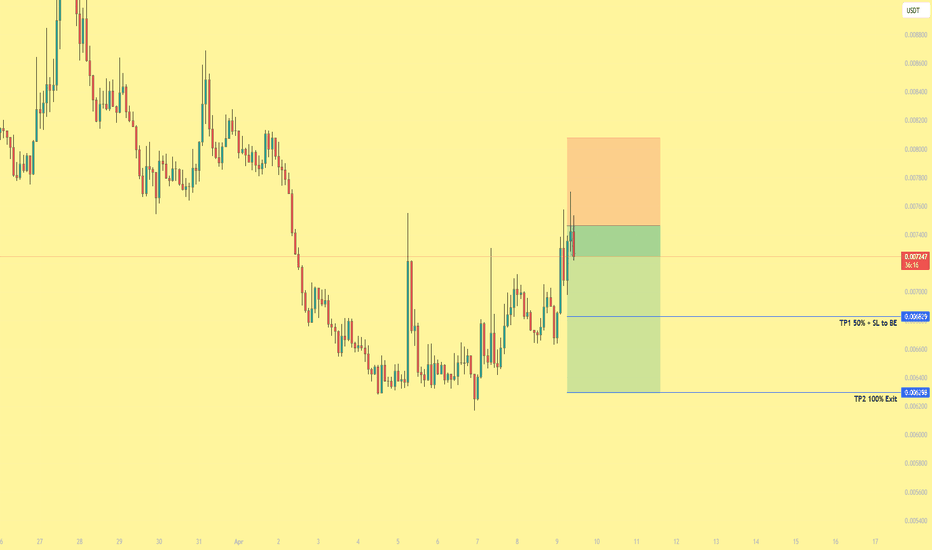
But Pixels surprised me.
You jump in and it just… flows. The world has that clean 16-bit vibe 🎮, but more importantly, it actually runs smoothly. No friction, no annoying lag mid-action. That alone puts it ahead of many blockchain games. Built on Ronin, and for once, the infrastructure feels invisible — which is exactly how it should be.
What stood out early? No pressure.
Starting on free plots like Specks doesn’t feel like a trap. You’re not instantly funneled into a paywall. You can explore, farm, craft, and experiment at your own pace. That “play first, monetize later” approach is rare in this space.
But the real shift happens when you notice the social layer 👀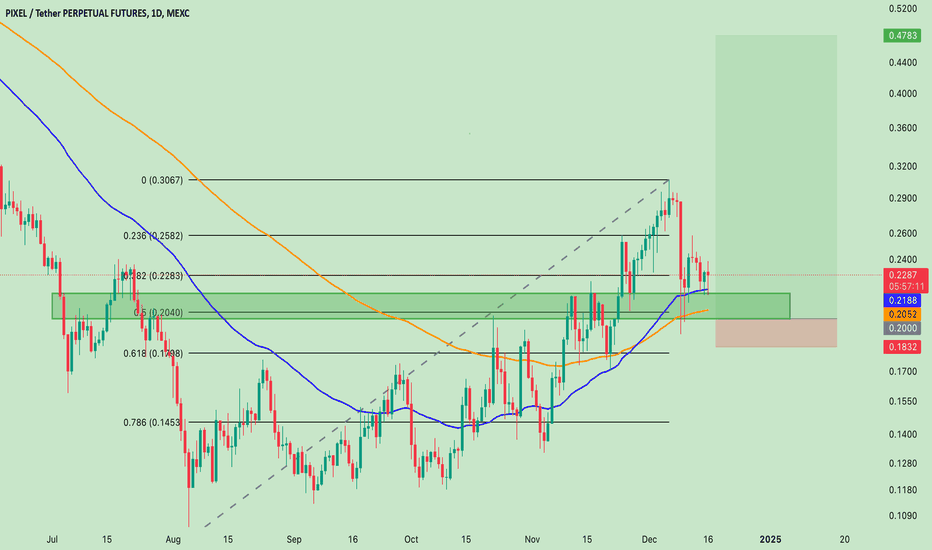
This isn’t a solo grind simulator. Players are actively trading, renting land, and building micro-economies. Land actually matters here — limited supply, different resource advantages, and real utility through renting. That’s a big difference from the usual “dead NFT land” we’ve seen across cycles.
Even the integrations feel thoughtful. External NFT avatars, pets, items — all tradable, but not forced. It adds depth without turning the experience into a marketplace simulator.
I believe that my assignment was not wrong Pixels Just Changed My View on Web3 Gaming .
And then there’s the biggest win:
They didn’t break the economy 💡
Instead of flooding the system with emissions, Pixels took a more controlled approach. Resource generation feels balanced, not abused. The shift from $BERRY to Coins wasn’t random — it looks like a deliberate move to reduce on-chain pressure and limit exploitation.
Coins handle daily activity off-chain, keeping things efficient. Meanwhile, $PIXEL sits at the top layer — used for premium actions, access, and value capture. That separation matters. It removes the constant “optimize or fall behind” stress and brings back something most Web3 games forget:
Actual fun.
You can still earn — through quests, trading, or smart gameplay — but it doesn’t feel like a job. And that changes player behavior more than any token mechanic ever could.
The real question now is scalability 🤔
Can this fun-first model survive when player count spikes? When more assets enter the system? When economic pressure builds?
Because that’s where most projects fail.
For now, Pixels looks like one of the few that understands the balance between gameplay and economy — and that alone puts it ahead of 90% of the space.
Watching this one closely 👁️