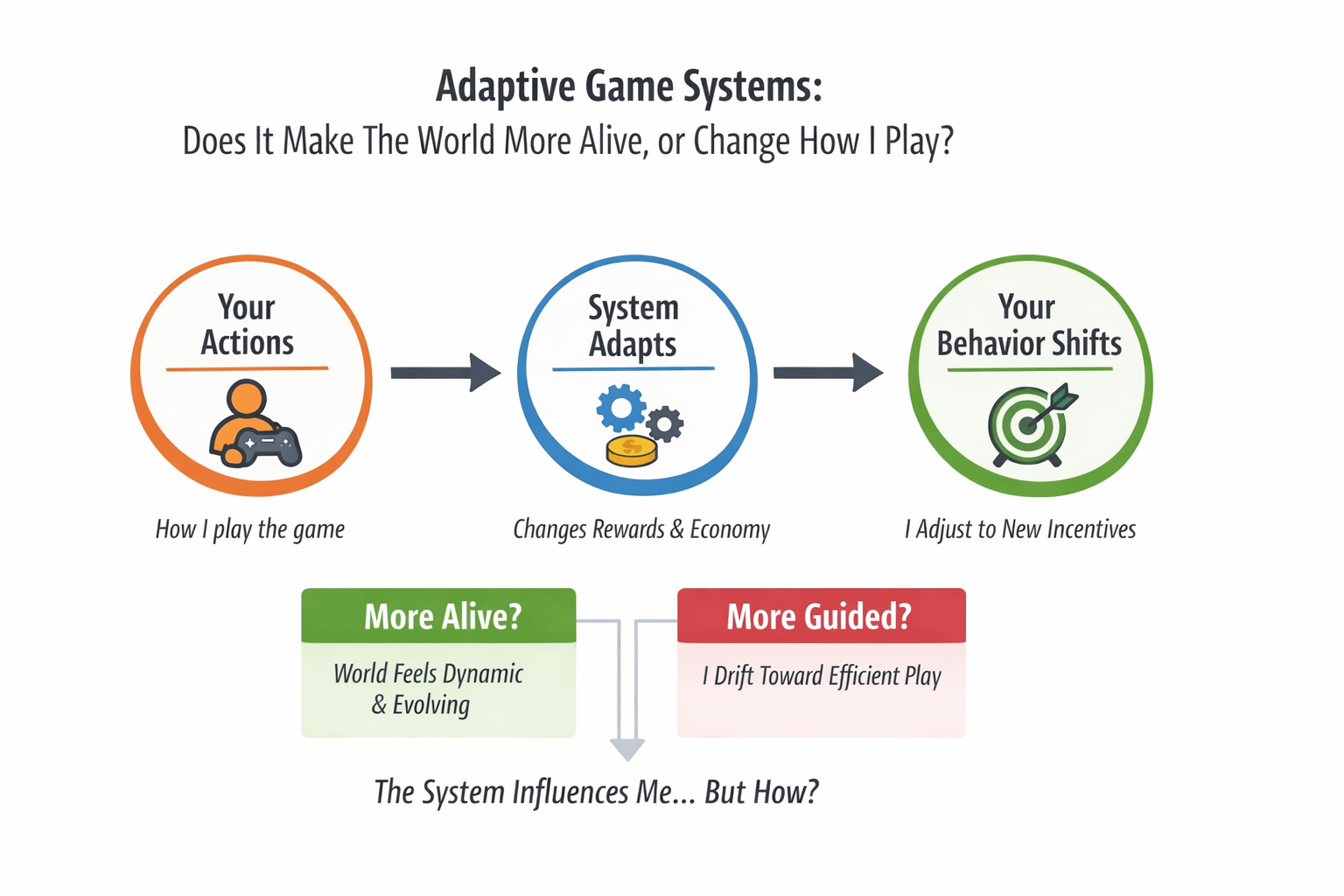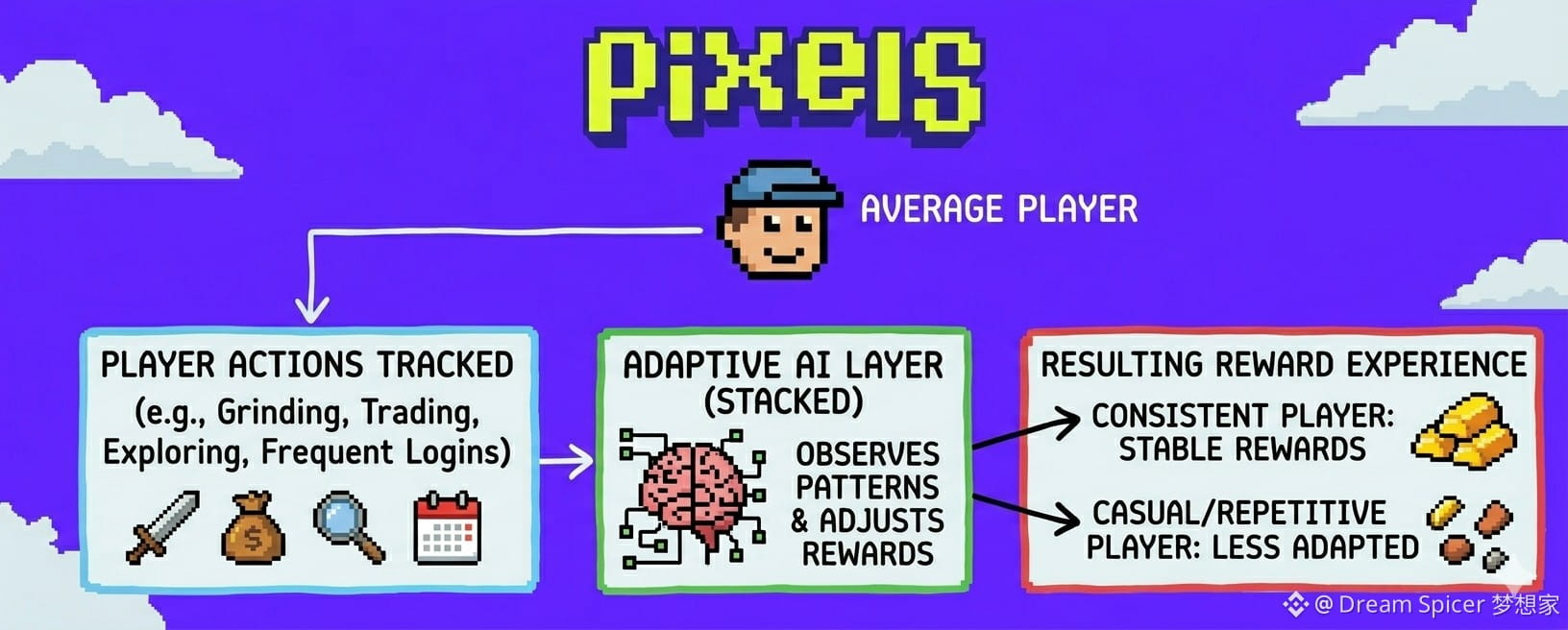
I started to notice something small but interesting after spending time in Pixels. The rewards and deals didn't seem to be set in stone anymore. It seemed like they changed a little based on how I was playing, almost like the game was picking up on what I was doing.
This made me think about a bigger problem that most blockchain games have. Most of the time, they plan their economies ahead of time. Before players even join, they know what the rewards, costs, and incentives are. After launch, most of it relies on fixed token systems and scarcity to keep things fair.
But players don't always play the same way. I sometimes grind, trade, explore, or take a break. This doesn't really change static systems. They keep following the same rules even when players act differently.
Governance, such as token voting and community proposals, was used in earlier solutions to try to fix this. But in reality, big holders often have more power, and normal, everyday play doesn't always change the system very much.
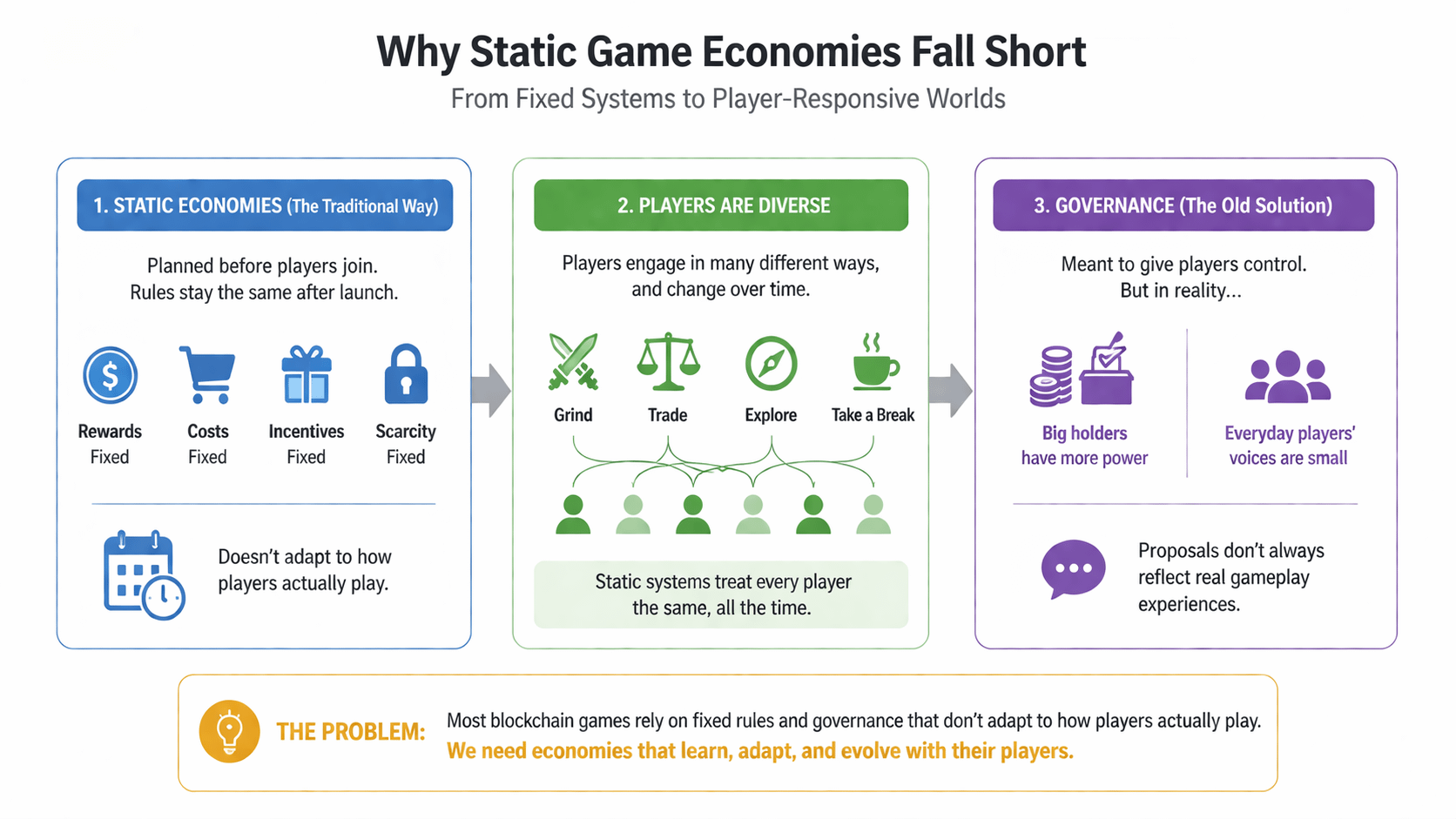
I think Pixels is interesting because it takes a different approach. It tries out an economy that watches players play and changes slowly based on what they do, instead of just using set rules. At the heart of this is an internal AI layer called Stacked.
It looks at things like how often I log in, how I play, how I trade, and how my behaviour changes over time. Then it uses this information to change how rewards are given over time. To put it simply, the game starts to respond differently to different ways of playing.
If I keep doing the same thing, I might get more stable rewards. The system might pay less attention to me if my activity is short or happens a lot. All of this happens in the background without anyone noticing.
But I also see some problems here. It depends on what it chooses to track. If those early signals are wrong, they can slowly change the whole economy in one way.
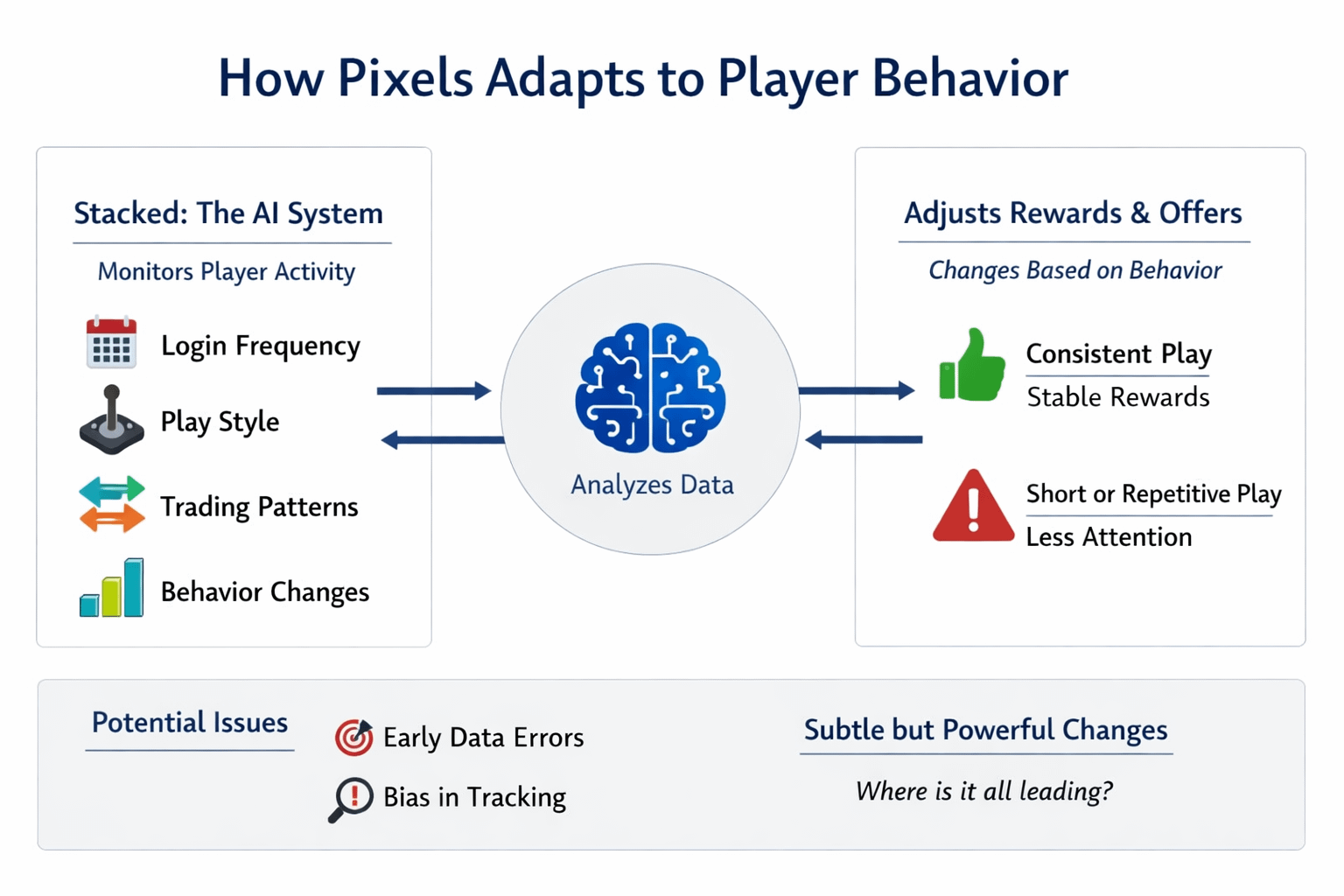
It's also a mental thing. It doesn't feel as neutral when I know that a system is learning from my actions, even if it's not directly.
It seems like the choices I make now could have effects on the future that I can't see clearly. Another problem is variety. Not everyone is represented by early players.
If the system adapts too much to them, it might not encourage different styles of play as much as it should. But I can still see that regular players get the most out of it because their patterns are easier for the system to understand and reward.
People who play casually or for fun, like me, might leave fewer signals, which could make the system less responsive to them. I
n general, Pixels seems like a first step toward game economies that can change instead of staying the same.
But I still have a question:
Does this make the world more alive, or does it slowly change how I play without me knowing it?