
I was at the grocery store the other day, basket half-full with the usual items, when a brightly packaged snack caught my eye. I didn't need it. The house was stocked, dinner was planned, yet my hand reached for it anyway. It was the wrapper's promise of something extra, the small indulgence that felt earned after a long week. We all have these moments—quiet admissions that not every choice is calculated.
The memory surfaced again as I sat down to the CreatorPad campaign task.
It was while working through the spending patterns simulator in that task—the one focused on behavioral economics behind spending patterns in Pixels, where the interface let you toggle through example transactions and watch bias indicators shift with each virtual spend—that a deeper unease settled in. Seeing the regret graph spike after an unnecessary purchase, all while the pixel animations softened the blow, made something click: the screen wasn't just showing data. It was mirroring how easily we let design guide our decisions.
Crypto hasn't made our spending more rational. It has simply given our old impulses a more convincing disguise.
We like to believe that participating in blockchain projects sets us apart—that access to on-chain data and decentralized tools somehow immunizes us against the psychological traps that affect everyone else. The ledger is transparent, the community is vocal, and the barriers to entry are low. Surely that combination produces smarter choices. But the patterns suggest otherwise. Impulses still win when scarcity is manufactured, when social signals amplify, and when the cost feels abstract until it's not. Behavioral economics has documented these tendencies for decades in traditional markets: we anchor to initial prices, chase sunk costs, and seek immediate rewards even when they undermine longer goals. Crypto accelerates all of it, yet we rarely pause to question why. It's slightly unsettling because it challenges the foundational story we tell about crypto: that this is the arena where rational actors finally thrive without interference. Instead, it reveals continuity—the same vulnerabilities dressed in new clothes.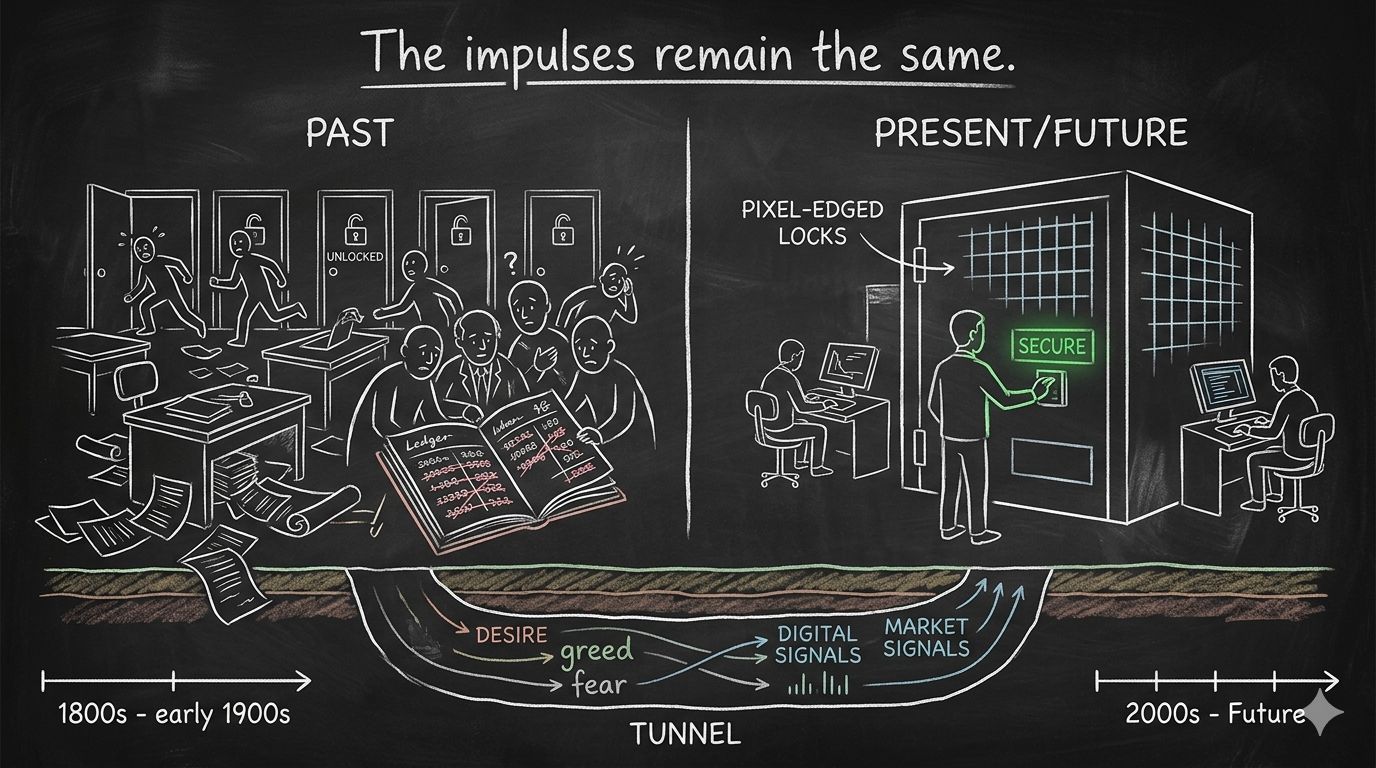
The expansion goes further when you consider the framing. Every spend gets wrapped in narratives of participation, contribution, or ecosystem growth. It feels productive, even noble, compared to buying a coffee or a shirt. But the underlying mechanism—the dopamine from acquisition, the avoidance of missing out—remains unchanged. Traditional finance has layers of friction and oversight meant to slow us down. Crypto removes much of that, betting that informed users will self-regulate. The evidence from countless wallets tells a different story: many of us don't.
Pixels stands out as a clear example without needing any embellishment. The way users allocate tokens to virtual enhancements and collectibles often traces back less to strategic analysis and more to the satisfying loop of building and seeing immediate visual results. The pixel aesthetic isn't accidental; it taps into nostalgia and simplicity, making the act of spending feel like playful creation rather than financial commitment. It's a reminder that the medium can shape the behavior as much as the message.
What lingers, though, is an unresolved tension. If these spending patterns are as human and predictable as they appear, will we ever design systems that truly account for our biases rather than exploiting them for engagement? @Pixels #pixel $PIXEL