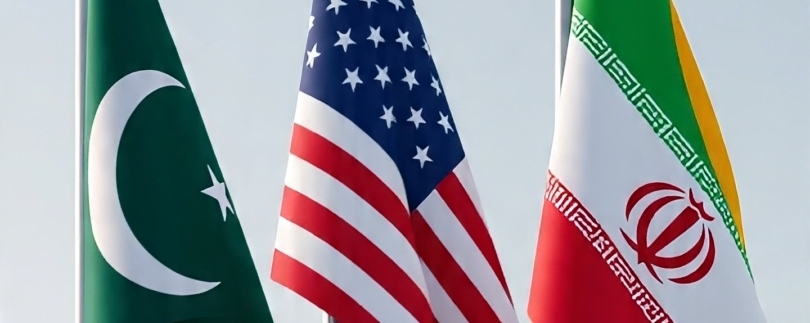
Pakistan is currently facing high petroleum prices, mainly due to global oil market pressure. As of recent updates:
Petrol: Rs. 321 per litre
Diesel: Rs. 335 per litre
Earlier in 2026, petrol was around Rs. 266/litre, meaning prices have increased sharply within months.
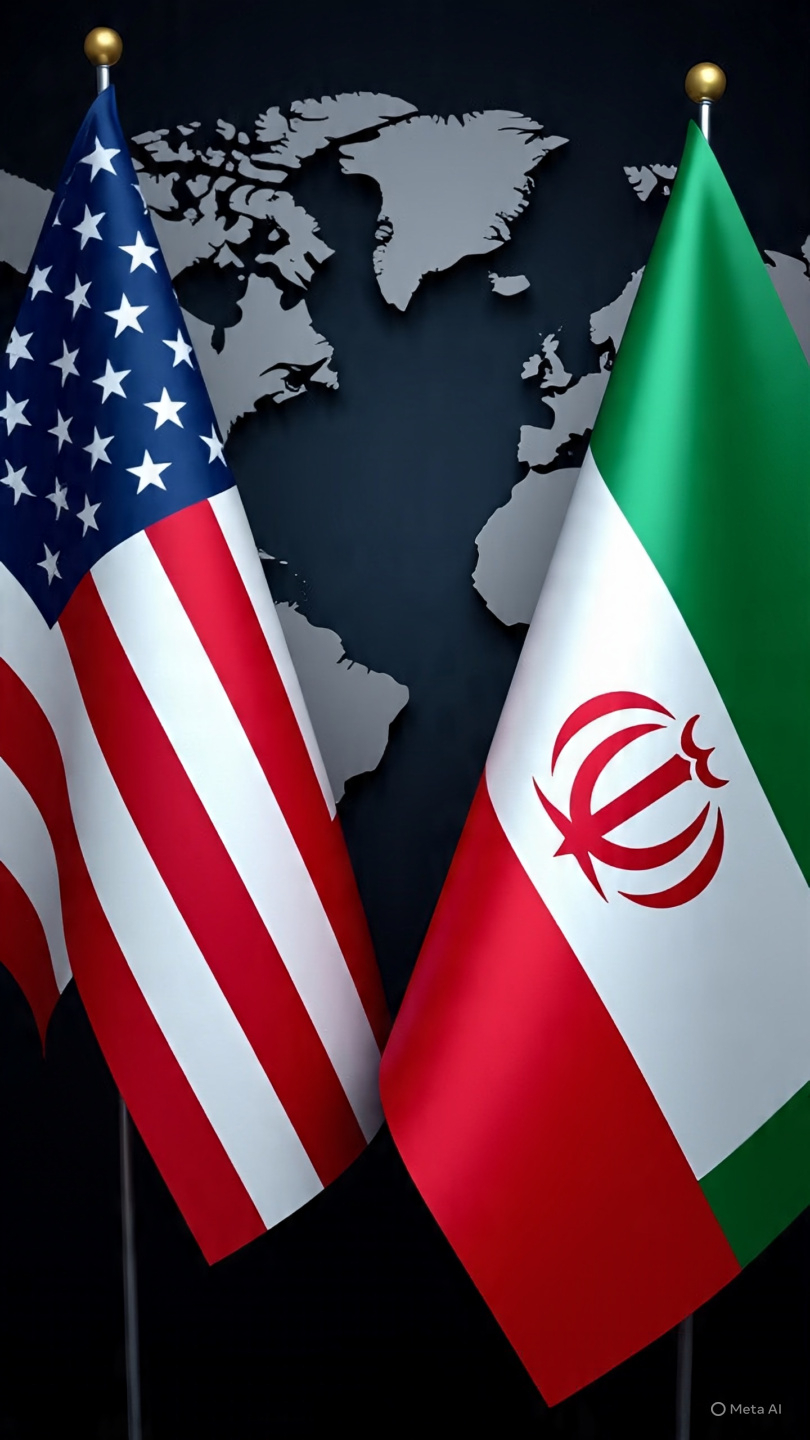
This sudden rise is not local it is directly linked to global oil disruptions, especially tensions involving the USA and Iran.
The conflict between the United States and Iran has heavily affected global oil supply:
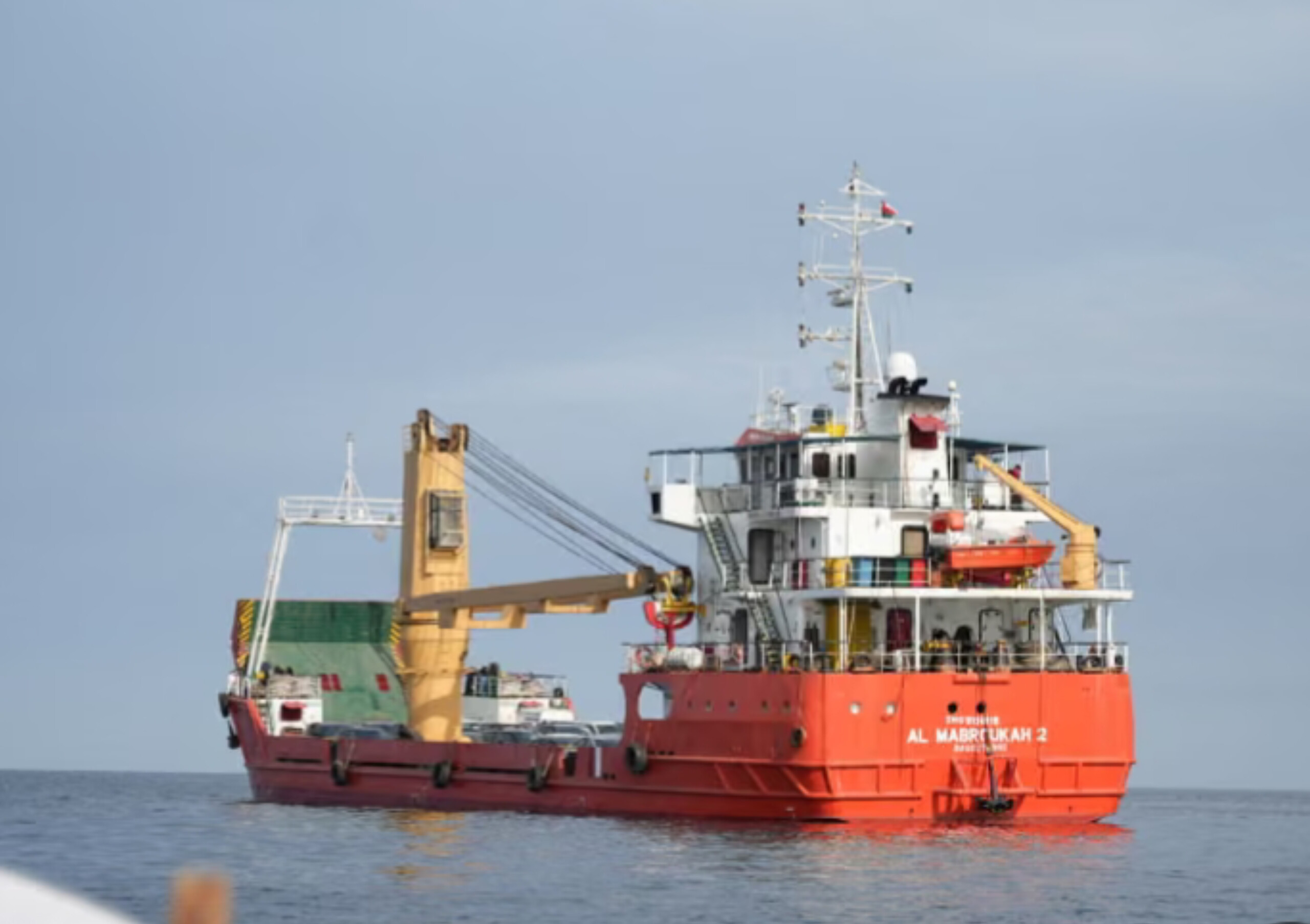
The Strait of Hormuz, a key oil route, became unstable due to military tensions
Oil prices jumped above $100 per barrel during escalation
Later, when Iran reopened the route, oil prices dropped sharply
Impact on Pakistan:
Pakistan imports most of its oil → prices rise quickly
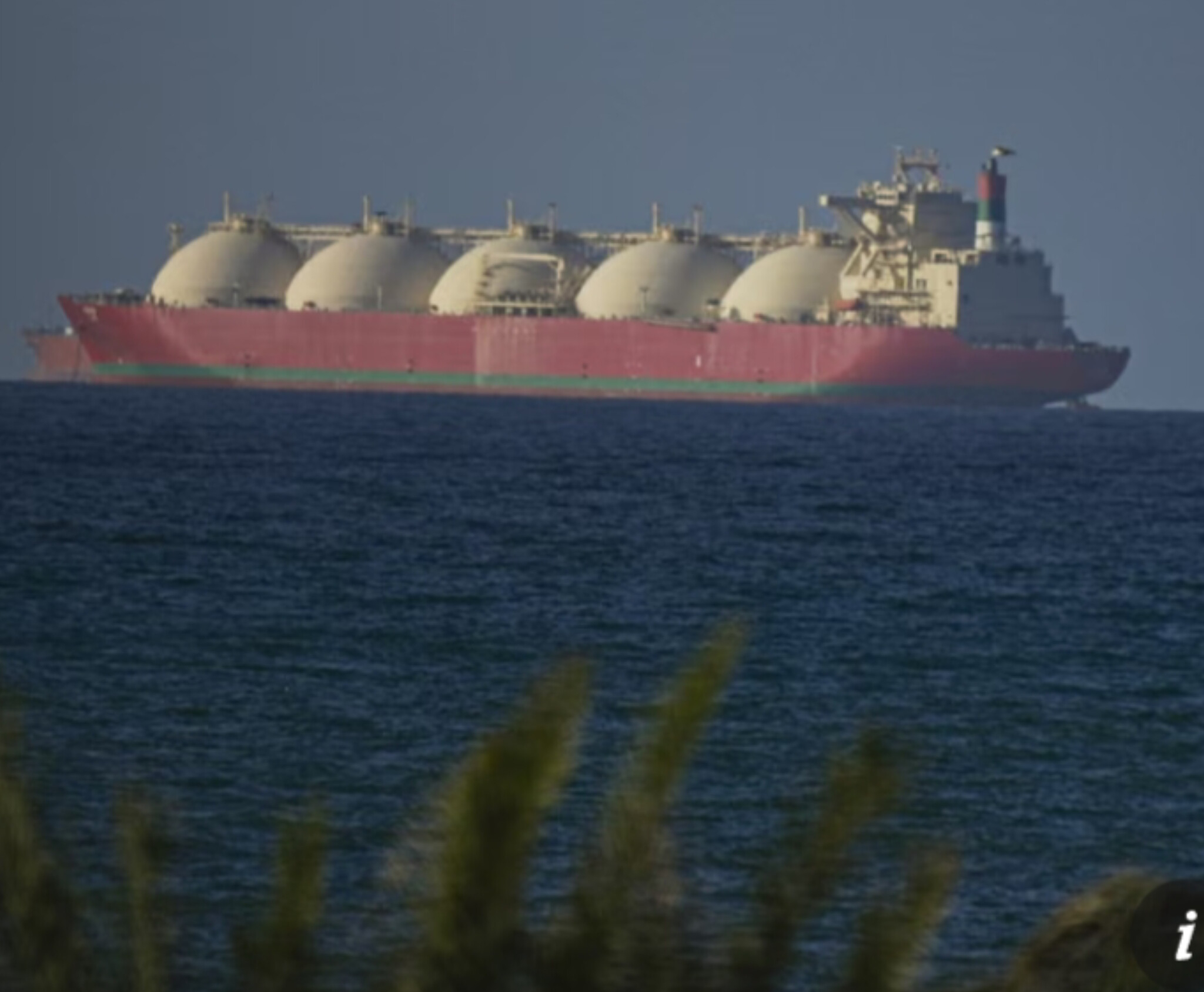
LNG and fuel supply disrupted → energy shortages
Government forced to increase fuel prices and reduce subsidies
👉 In simple words:
War = expensive oil → Pakistan pays more → petrol prices increase
⚡ Economic Impact on Pakistan
High petroleum prices are creating serious effects:
🚗 Transport costs increasing
📈 Inflation rising (food, electricity, goods)
⚡ Power crisis due to expensive fuel imports.
💰 Pressure on Pakistan’s economy and IMF program.
Pakistan even had to increase furnace oil usage due to LNG shortages caused by the conflict.
🇺🇸 Impact on the United States:
For the United States:
Higher oil prices can benefit US oil companies
But also increase inflation and fuel costs domestically
Stock markets react strongly to Middle East tensions
When oil prices fell after de-escalation, US markets actually rose, showing how sensitive the economy is to oil supply.
🇮🇷 Impact on Iran
For Iran:
Oil is a major source of income
Conflict limits its exports due to sanctions and blockades
However, control over the Strait of Hormuz gives Iran strategic power
👉 Iran can influence global oil prices simply by controlling supply routes.
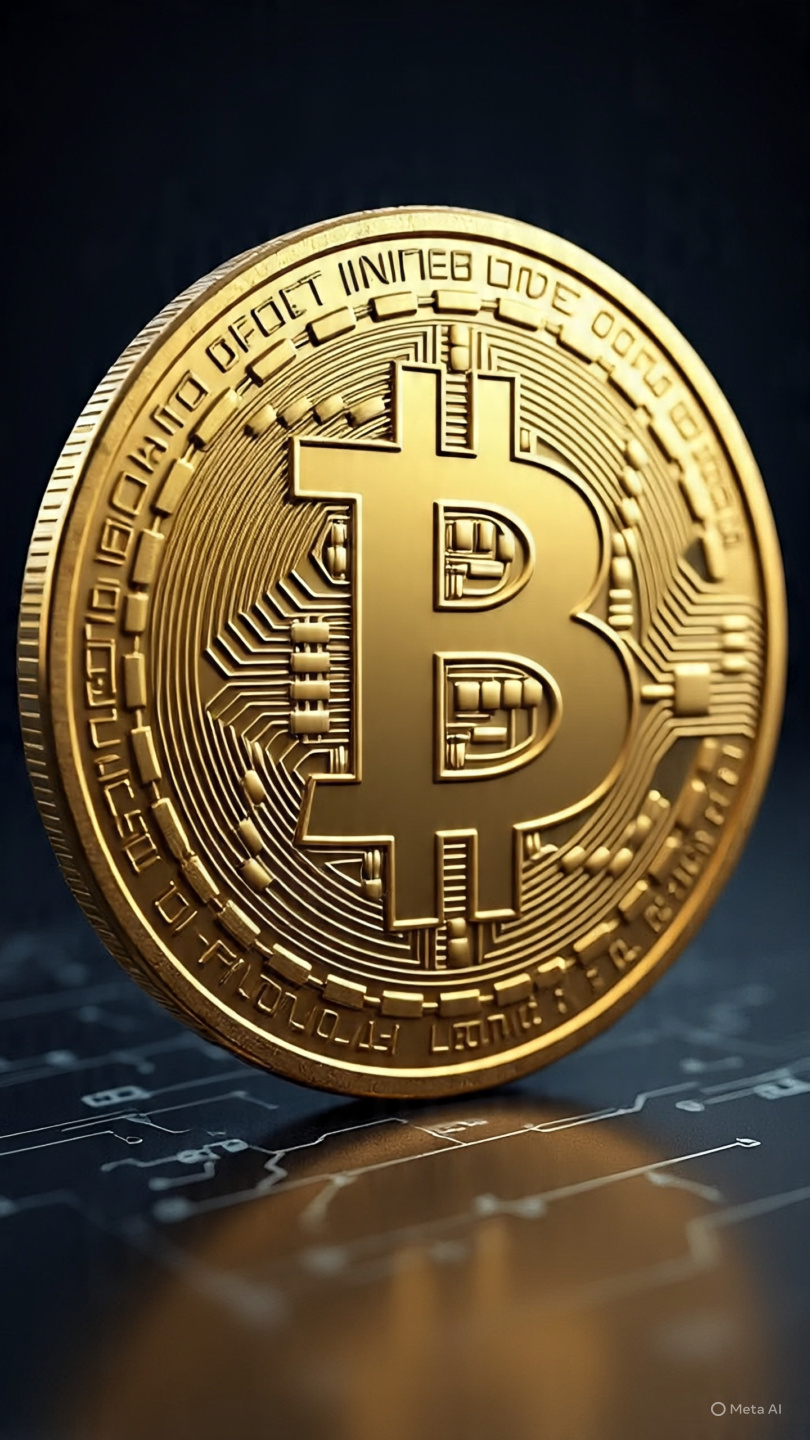
₿ Role of $BTC in This Situation:
The conflict is also indirectly affecting $BTC :
1. Safe Alternative Asset
When global uncertainty rises, investors move toward $BTC .
It acts like “digital gold” during geopolitical tensions.
2. Currency Bypass
Countries like Iran (under sanctions) may use Bitcoin for trade.
Helps avoid US-controlled financial systems.
Market Volatility
Oil shocks → economic fear → crypto market becomes active.
Bitcoin often sees higher trading volume during crises.
🔥 Final Conclusion
The current petroleum price situation in Pakistan is deeply connected to global politics:
USA–Iran conflict → oil supply disruption → global price increase.
Pakistan, being an oil-importing country, suffers the most.
Economic pressure rises, inflation increases, and energy crisis worsens.
Meanwhile, Bitcoin is gaining attention as an alternative financial tool during instability.
👉 In short:
War affects oil → oil affects Pakistan → and global fear pushes people toward Bitcoin.
#BTC #usairanconflict #TRUMP #USInitialJoblessClaimsBelowForecast #BitcoinPriceTrends