
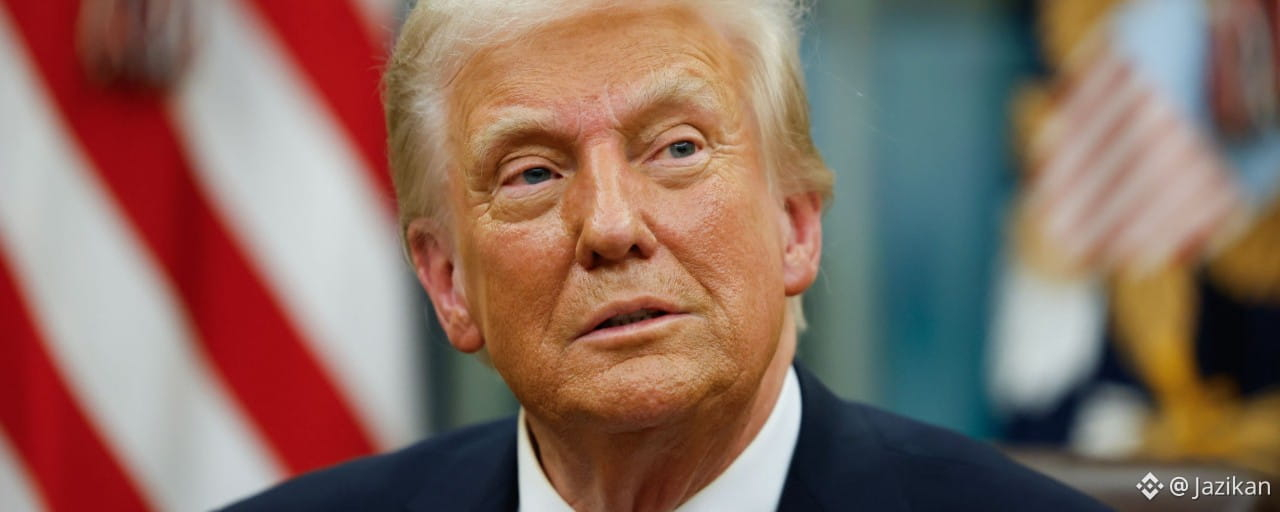
U.S. President Donald Trump stated that Iran has announced the complete opening of the Strait of Hormuz, allowing full maritime passage. According to reports, this marks a major turning point after weeks of disruption linked to escalating regional conflict.
The Strait of Hormuz is one of the world’s most critical shipping routes, responsible for nearly 20% of global oil and gas transit, so its reopening immediately impacted global markets, with oil prices dropping sharply as supply concerns eased.
This development comes amid ongoing diplomatic efforts and a temporary ceasefire in the region, signaling a possible de-escalation. However, the situation remains fragile. While Iran declared the passage “fully open,” navigation is still being closely monitored and coordinated by military forces, and some restrictions remain in place for security reasons.
Additionally, the United States has indicated that certain measures—such as naval pressure and negotiations over Iran’s nuclear program—are still ongoing, meaning the reopening is not yet a full return to normal operations.
Overall, this move represents a significant shift in regional maritime dynamics, with global economic and geopolitical implications, but stability will depend on whether ongoing talks lead to a lasting agreement.