
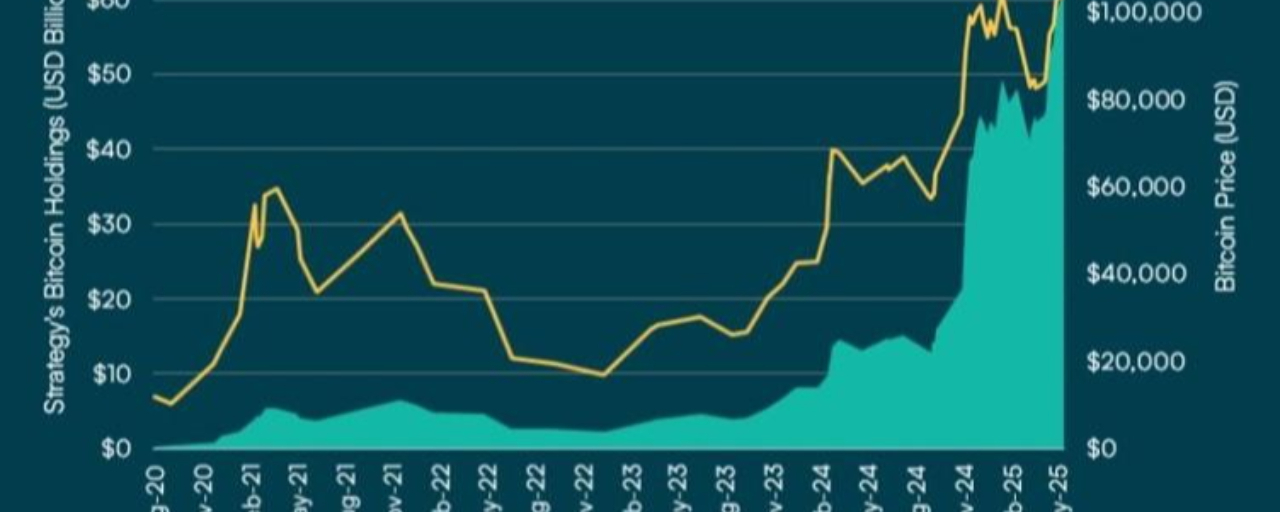
DownStrategy has bought over 88,000 $BTC so far in 2026 alone while the network has mined only ~40,500. Saylor isn’t just stacking he’s outpacing new supply.
Their latest $42 billion capital-raising plan is explicitly designed to push toward that 1-million-BTC milestone. At the current pace, 3.7% today could look like 5%+ by next year.
The Big Question: Is 3.7% “Too Much Power”?
Bitcoin was built on the promise of decentralization, no single entity should control it. So when one company quietly accumulates a slice this large, it’s fair to ask: Does this concentration threaten the network’s ethos?Here’s the counter-argument (and why Saylor would laugh at the concern):Ownership ≠ Control. Owning coins doesn’t let you rewrite the blockchain, censor transactions, or change the 21 million cap.
Saylor’s own stance: He’s already said publicly that even 7% of the supply wouldn’t be “too much.” His view: Bitcoin is digital property in a world starving for scarce assets. Someone has to hold it and better a transparent public company than hidden whales or nation-states.
Market signal, not market manipulation. Strategy’s buying has become a weekly ritual, funded through stock and preferred-share offerings. It’s created a flywheel: more BTC → higher credibility → more capital → more BTC. Far from suppressing price, it’s one of the most consistent demand engines in crypto.
The other side of the debate:
Critics point out that 3.7% (and growing Strategy is openly targeting 1 million BTC by end of 2026) creates systemic risk. If regulators ever forced a sale, or if the company faced extreme financial distress, it could trigger a fire sale.
Plus, it blurs the line between “decentralized money” and “corporate treasury asset.”But here’s the reality check: Bitcoin has already survived far bigger concentration events. Early miners, Satoshi’s presumed stash, and large OTC deals have all come and gone without breaking the network.
