

I have been around Web3 gaming long enough to notice one pattern that keeps repeating. Projects grow fast, attract attention, and then gradually become harder to maintain at the same level of momentum. At first, everything looks fine. Players join, rewards flow, and activity stays high. But over time, the system can become more challenging to sustain.
When I spent time in Pixels... I tried to understand what problem it is actually trying to solve. Because on the surface, it looks similar to many other games. But underneath, the focus feels different.
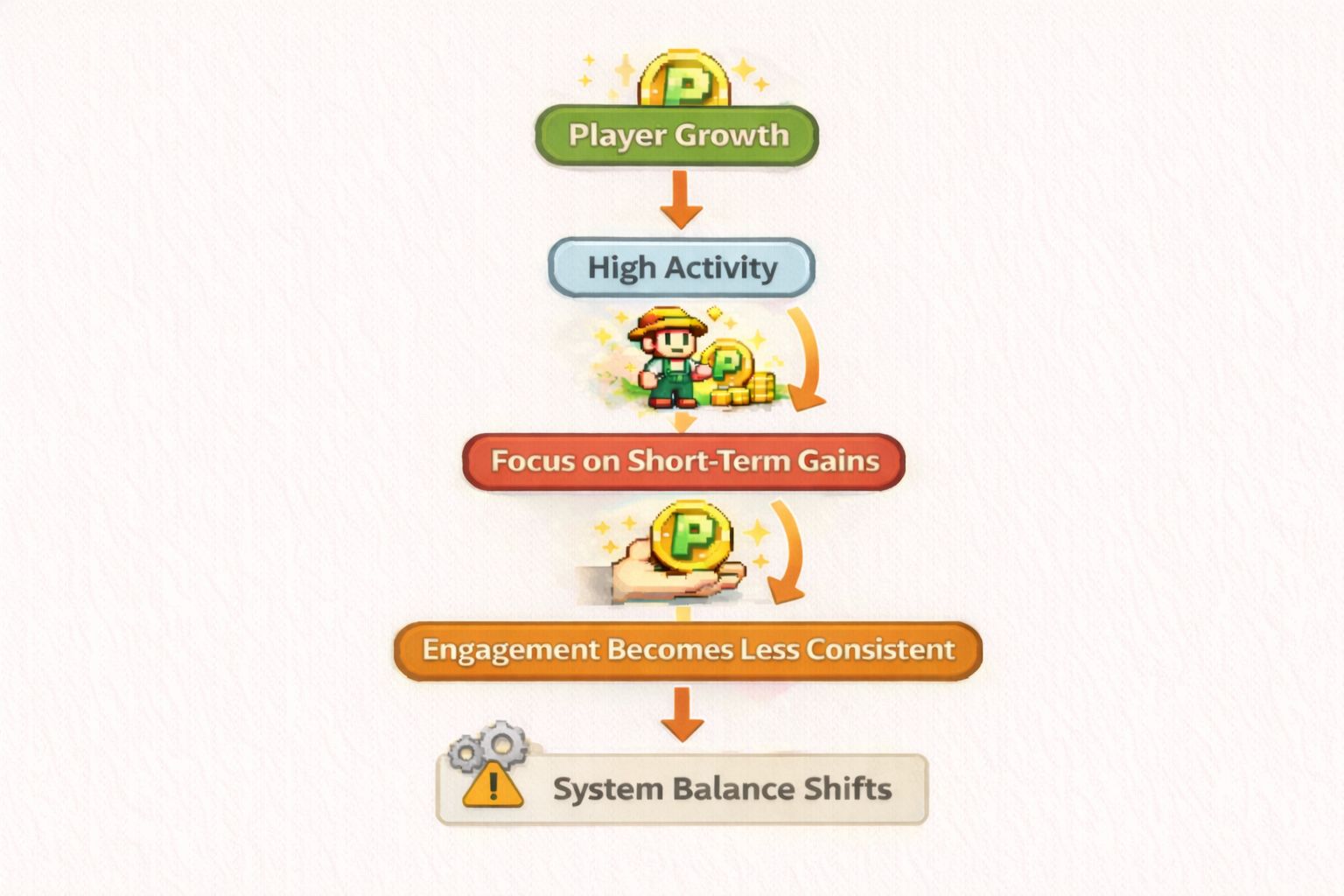
The real issue in GameFi isn’t just earning. It’s what happens after. Once players begin focusing more on short-term gains instead of staying engaged, the balance of the system can start to shift. Player activity may become less consistent, and the overall flow changes.
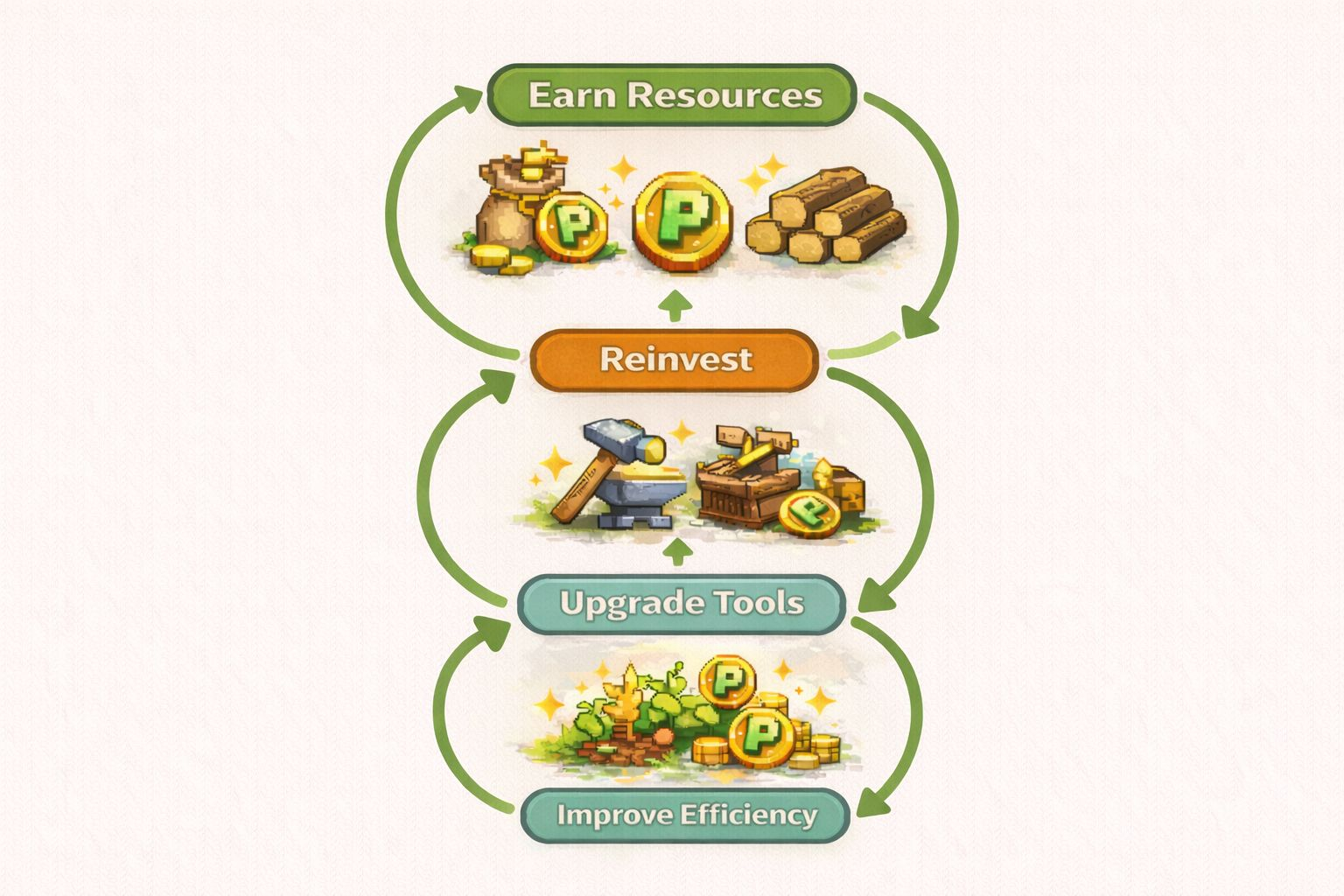
What I noticed in Pixels is that the design tries to manage that shift. The gameplay encourages reinvestment instead of quick exits. When you earn something, you’re naturally guided to use it for upgrades, crafting, or progression. That keeps the loop active and connected.
The token structure supports this idea as well. PIXEL plays a role in the broader ecosystem, but it’s not forced into every action. This reduces immediate pressure and allows the game to function without constant focus on outcomes.
Another layer is retention. The game adds social interaction, shared spaces, and gradual progression to give players reasons to stay. It’s not just about rewards. It’s about building a system where players continue participating over time.
Of course, addressing this challenge is not simple. If player growth becomes less consistent or the gameplay starts to feel repetitive, even a well-designed system can face difficulties. That’s something every GameFi project continues to work on.
But from what I’ve seen, Pixels is at least addressing the right issue. It’s not just focusing on surface-level improvements. It’s trying to guide player behavior in a more sustainable direction.
For me, that’s what makes it worth watching. Not because it has all the answers, but because it’s focusing on a problem that actually matters in the long run.