I found Pixel by accident while scrolling, and at first I didn’t really take it seriously. It looked like a simple pixel farming game — plant crops, collect items, move around, repeat. Nothing about it screamed “next big thing.”
But instead of closing it, I stayed a bit longer… and that’s when I started noticing small things that made it feel different.
The game doesn’t rush you. There’s no pressure to instantly understand everything or chase rewards. You just play, explore, and slowly figure things out. That slow pace actually made me pay more attention to what’s going on under the surface.
One thing that stood out is how Pixel is used. In many Web3 games, tokens feel like an extra layer that doesn’t really connect with gameplay. You earn them, maybe trade them, and that’s it. But here, it feels more integrated. The token links to upgrades, features, and overall progression, so your time in the game feels like it has some kind of direction.
Another detail is the environment itself. Even though it’s simple, it doesn’t feel empty. You see other players moving around, interacting, doing their own thing. It creates a sense that you’re part of something shared, not just playing alone. That kind of feeling is hard to build, especially in early-stage projects.
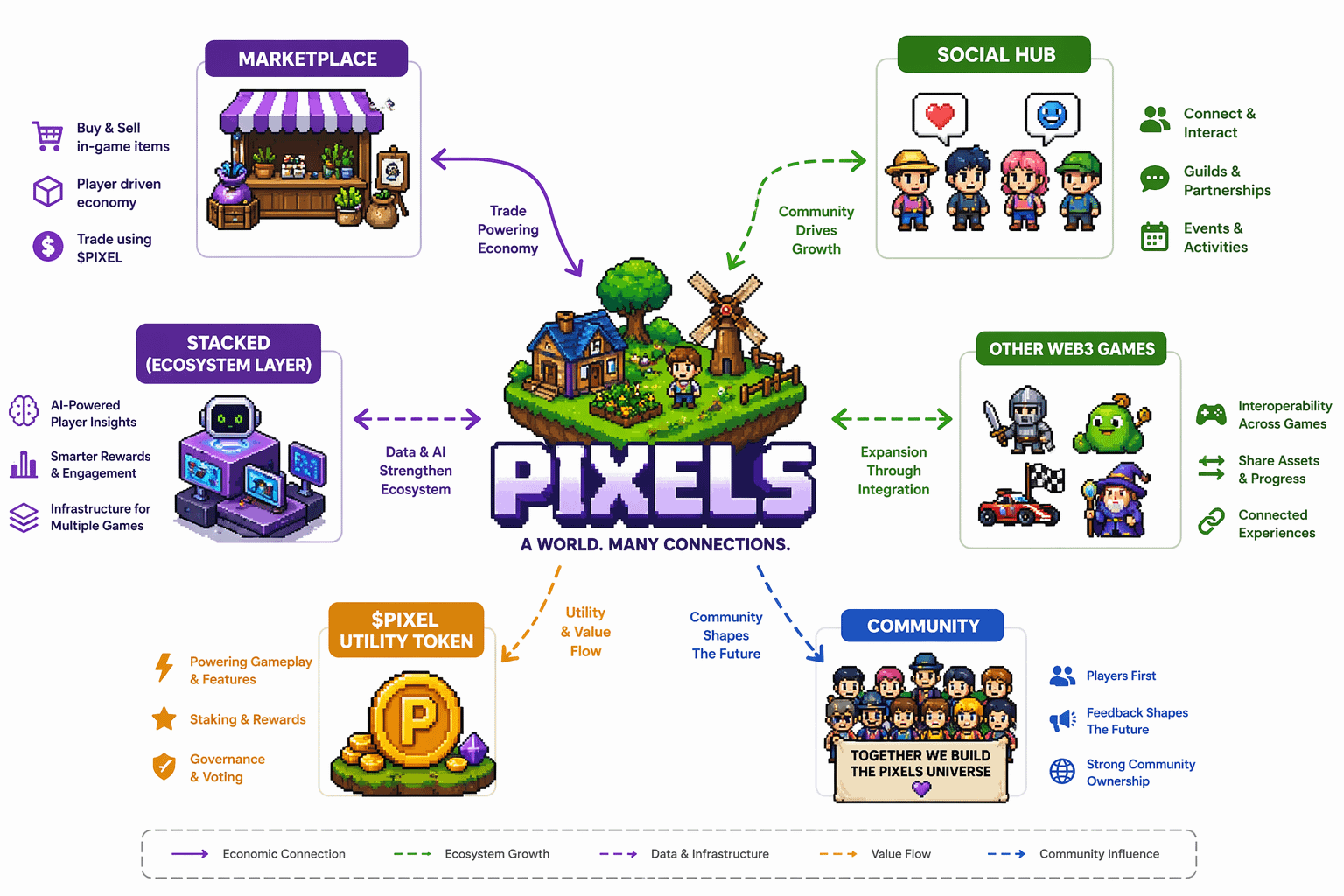
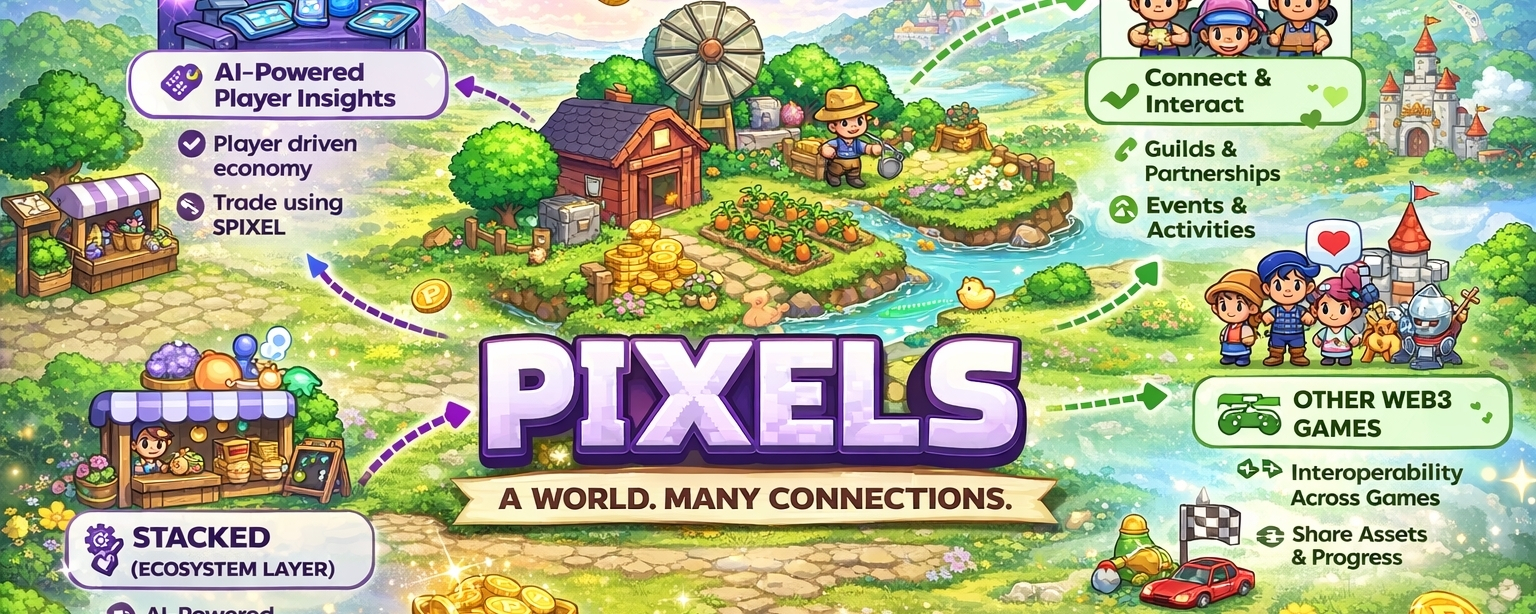
Then there’s the bigger picture, which I didn’t understand at first. After looking into it a bit more, I came across the idea of Stacked. That’s when it started to make more sense. It seems like Pixels isn’t just focused on being one standalone game. Instead, it feels like they’re slowly building tools and systems that could connect different games together over time.
If that actually works, it could change how players experience Web3 gaming. Right now, most games are isolated. You play, you earn, and everything stays inside that one world. But the idea here seems different — something more connected, where your activity and progress might carry value beyond a single game.
Of course, it’s still early. You can tell that some parts are basic, and there’s a lot of room to grow. Not everything feels polished yet, and that’s okay. It actually makes it feel more real, like something that’s still in the process of being built rather than something pretending to be complete.
What I like is that it doesn’t feel forced. There’s no loud hype or unrealistic promises. It’s just there, growing slowly, letting people discover it at their own pace.
Maybe it becomes something big, maybe it doesn’t. But for now, it’s one of those projects that quietly stays on your radar because it feels like there’s more behind it than what you see at first.