
Welcome to negotiating with Iran, where policy comes in multiple personalities and none of them RSVP to the same meeting.
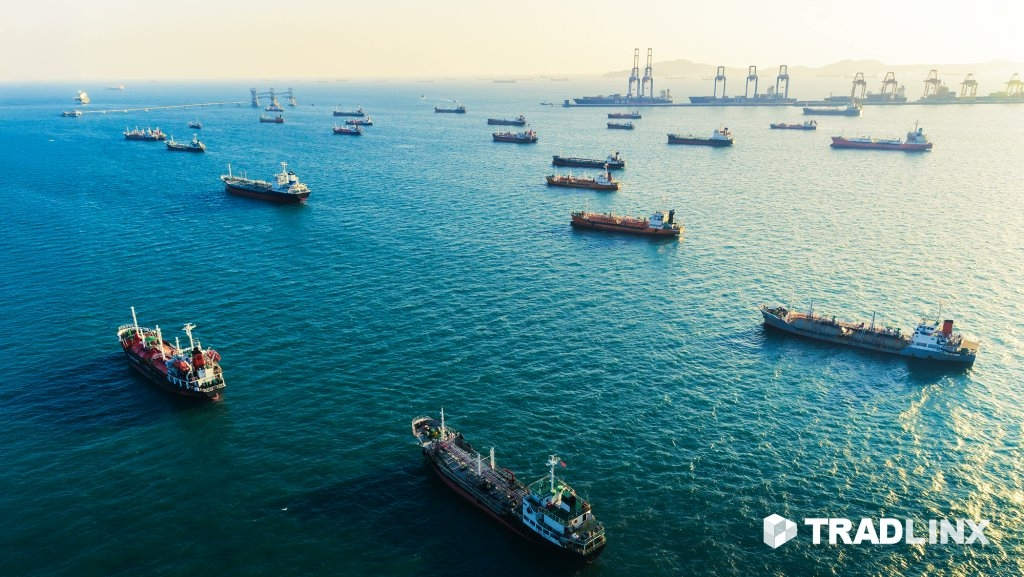
One minute, the diplomats are out there sounding like reasonable adults: trade can flow, tensions can cool, let’s all act like this isn’t a chokepoint for a fifth of the world’s oil.
The next minute, someone else in Tehran grabs a microphone and basically says, “Nice shipping lane you’ve got there… shame if something happened to it.”
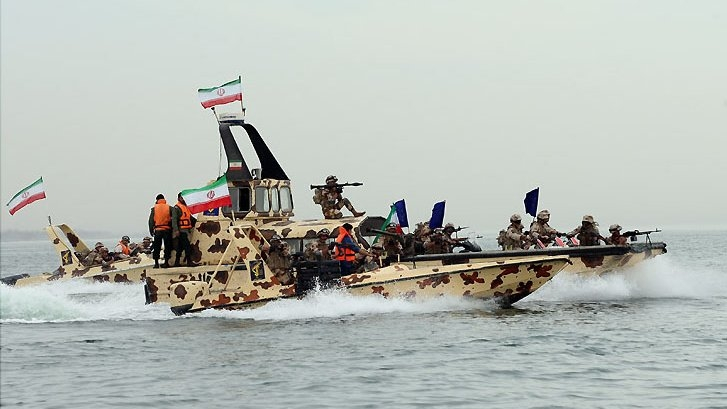
And the ships? They’re still checking in with the IRGC like it’s air traffic control with a grudge.
The West keeps pretending Iran is a normal country with a clear chain of command: you negotiate with the foreign ministry, they run it up the flagpole, decisions get made, done.
Except Iran isn’t built like that.
It’s built like a group chat where half the members have admin privileges and the other half are ignoring the thread until they suddenly drop a nuclear emoji and derail everything.
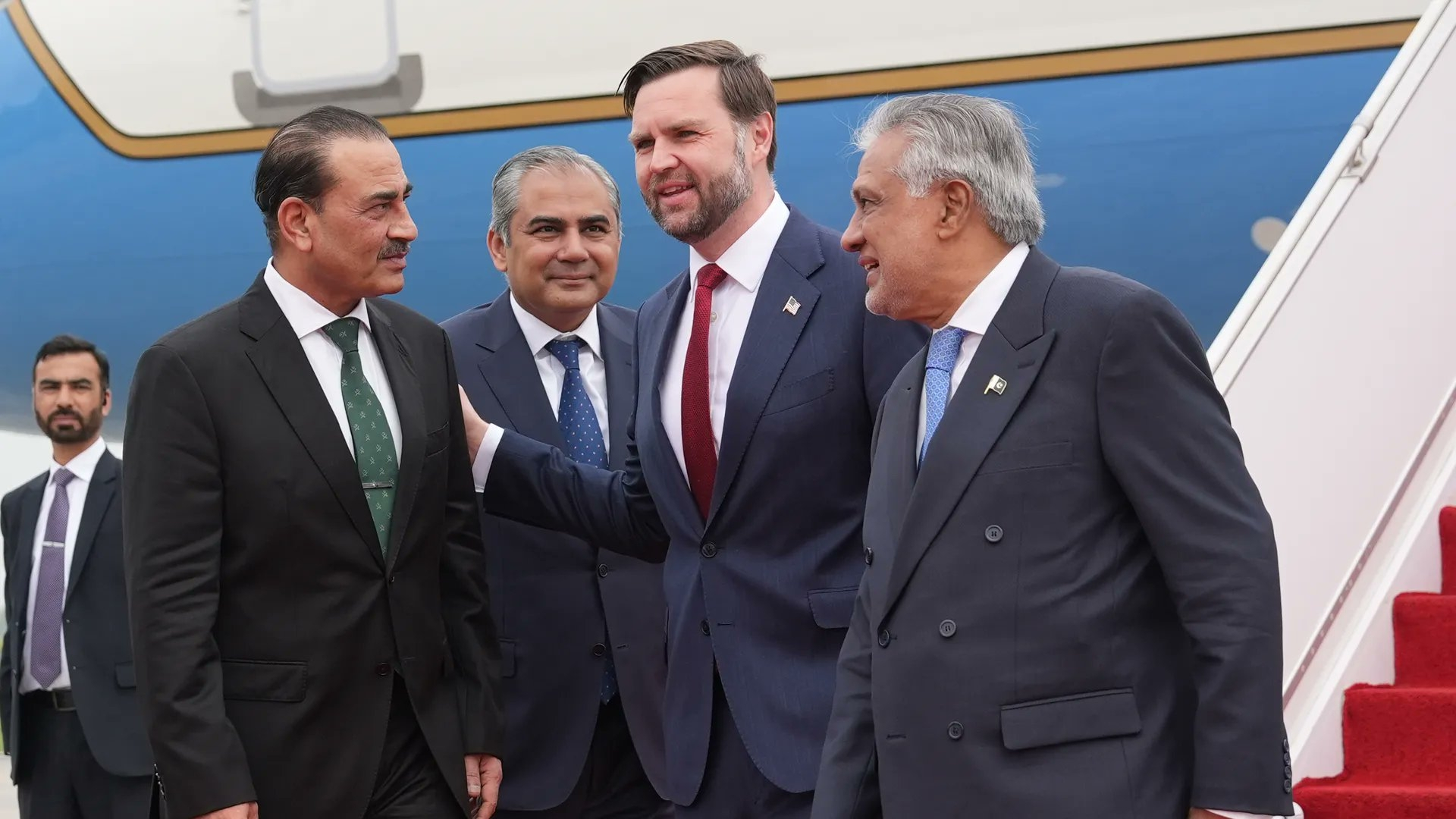
At the top, you’ve got the Supreme Leader, final boss, no appeals.
Then the civilian government, president, foreign minister, the guys who speak fluent “we are open to dialogue.”
Then the parliament, occasionally helpful, often loud.
And then the IRGC, the ones with the boats, the missiles, and the ability to turn “negotiation” into “navigation hazard” in about five minutes flat.
Guess which group actually controls the Strait of Hormuz? Exactly.
So when Washington sits across from Iranian diplomats and hears “the strait is open,” the real question should be: Cool. Did the guys with the speedboats get that memo?
There are two ways to read what just happened.
Option one: this is classic Iranian brinkmanship.
The goal? Keep oil markets nervous, keep leverage high, keep the U.S. guessing, and squeeze concessions without ever fully committing to anything.
Option two: the regime isn’t fully in sync.
The diplomats are trying to de-escalate. The hardliners, especially the IRGC, are not in the mood.
And when push comes to shove, the guys with guns, drones, and fast boats tend to win arguments.
Either way, there’s a problem.
If it’s brinkmanship, the U.S. is being played.
If it’s fragmentation, the U.S. is talking to people who might not be able to deliver on anything they promise.
#CZ’sBinanceSquareAMA #BitcoinPriceTrends #AltcoinRecoverySignals? #Kalshi’sDisputewithNevada #ARKInvestReducedPositionsinCircleandBullish