
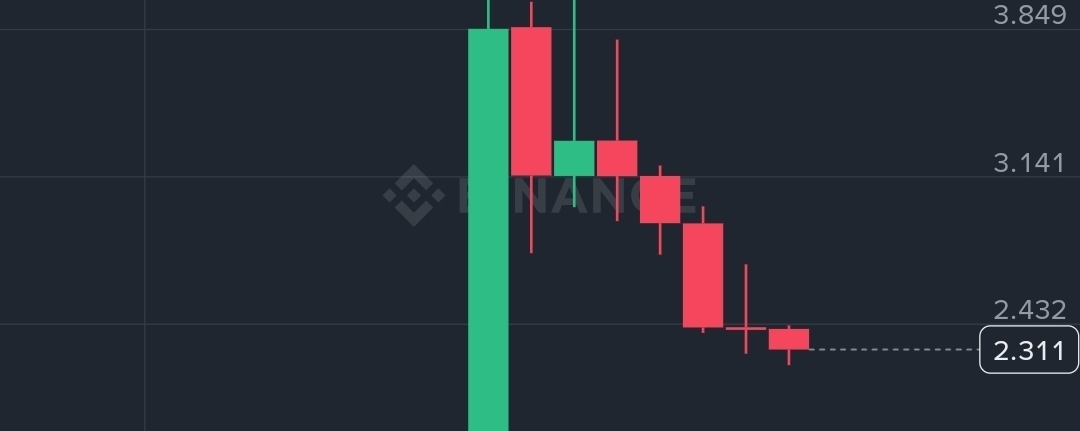

While they were sitting, the soybean market was slowly moving toward the price level that the analyst had identified as the support, or the bottom for that day. When it finally reached that level, the president looked at the analyst and said, “This is where the market is supposed to stop and go up, right?”
The analyst replied, “Absolutely, this is the bottom for the day.”
The president responded, “That’s nonsense.”
“Watch this.”
He picked up the phone and called the person responsible for soybean orders and said, “Sell two million bushels of soybeans in the market.” (A bushel was a specific unit of quantity at that time.) Within thirty seconds of executing the order, the price of soybeans dropped ten cents per bushel.
The president turned to the analyst, noticed the look of shock on his face, and calmly asked, “Now, where did you say the market was going to stop?”
He continued, “If I can do that, anyone can do it as well.”
The lesson is that, from our personal and individual perspective as market observers, anything can happen. All it takes is one trader to make it happen. This is the harsh reality of trading that only the best traders truly accept without internal conflict.
How do I know that?
Because only the best traders define their risk before entering any trade. Only the best traders cut their losses without hesitation or reluctance when the market tells them their trade isn’t working. And only the best traders have a consistent, structured system for managing their capital and taking profits when the market moves in their favor.
— an excerpt from Trading in the Zon Book.